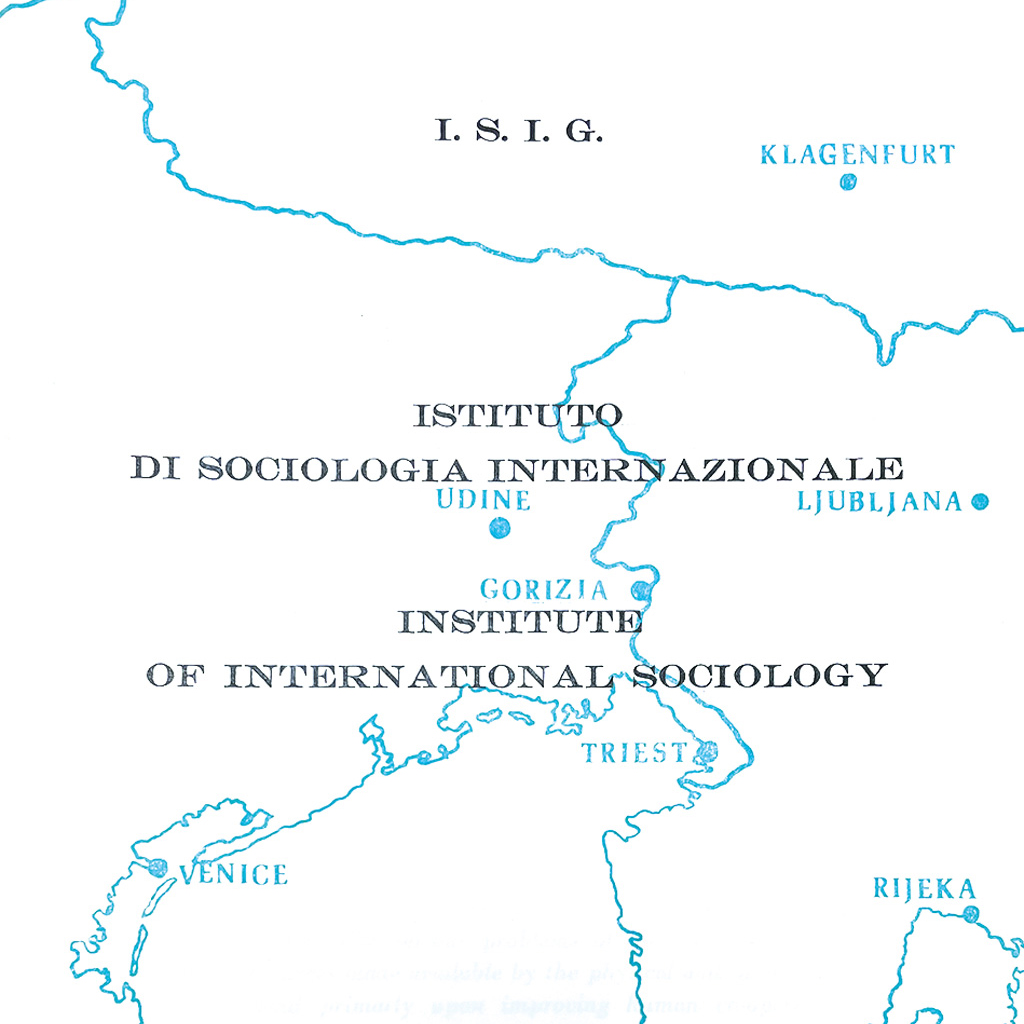



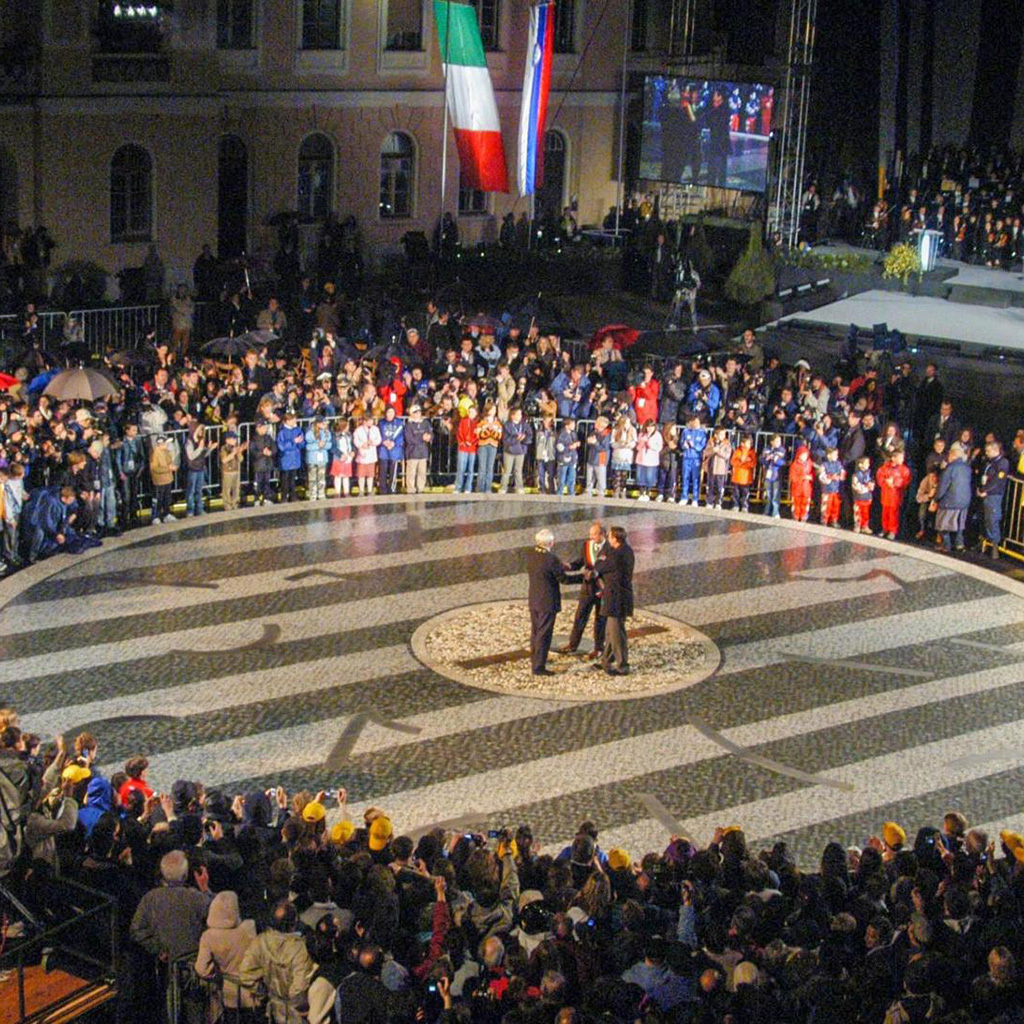


ISIG was born in 1968 from a visionary intuition developed in a border territory, shaping the Institute of International Sociology of Gorizia. Leading this idea were Franco Demarchi, Vittorio Bachelet and Rolando Cian, supported with determination by Archbishop Pietro Cocolin and Mayor Michele Martina.
Today as then, ISIG’s mission stems from the unique context in which it operates. A place where borders shape the everyday life experience, acting as divides, gateways and bridges at the same time. A local community accustomed to living in an interethnic, intercultural and international dimension. A territory in which coexistence and dialogue among different social groups and regions are not only a distinguishing feature, but a founding value that continues to guide the Institute’s action and vision.
On Nov. 9, the Institute of International Sociology of Gorizia is founded with the support of local bodies and institutions. Founding partners: the Municipality of Gorizia, the Province, the Chamber of Commerce and the Cassa di Risparmio di Gorizia.
ISIG organises its first international conference devoted to. “Problems and Perspectives of Border Regions”, bringing together over one hundred participants from fourteen countries, including Yugoslavia.
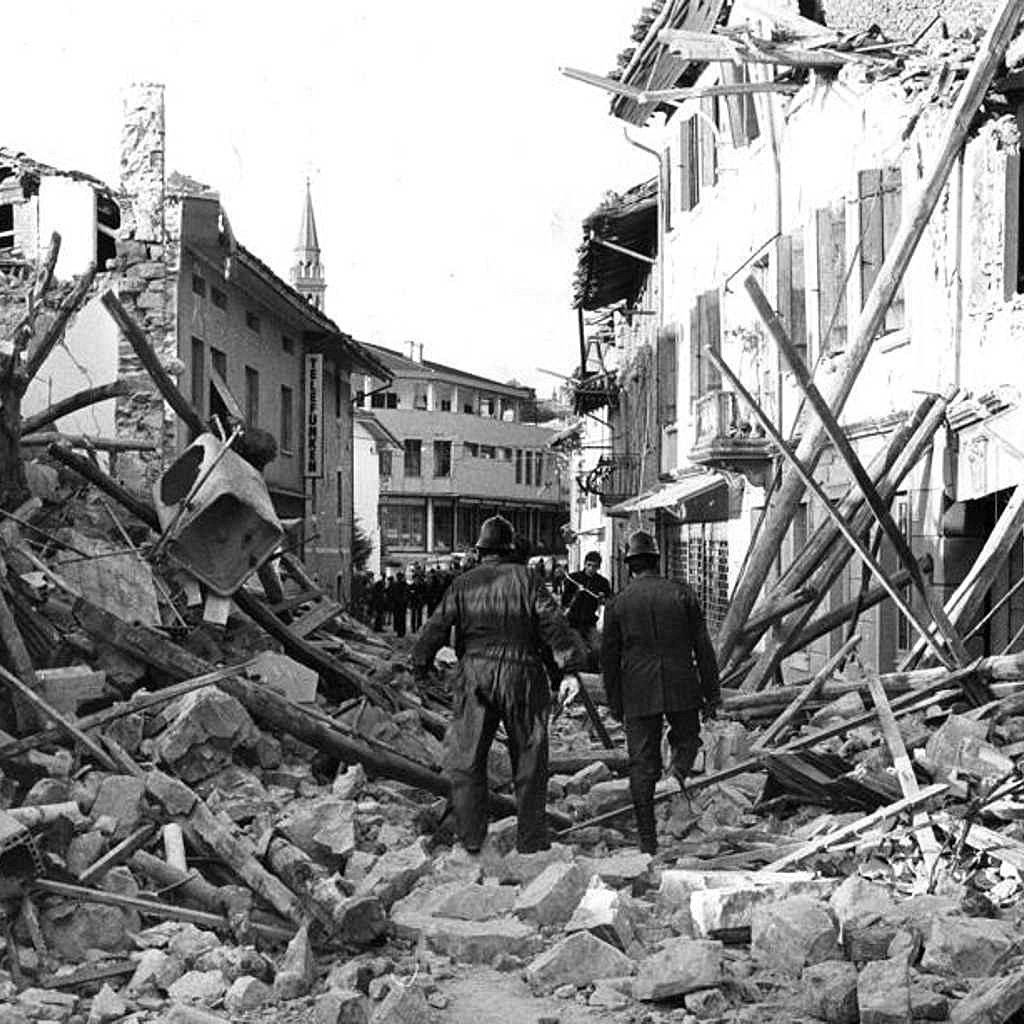
ISIG starts to study mass emergencies, analysing the impact of the earthquake and post-disaster societal responses.
This experience leads to the creation of the Research Area on “Resilience, Management and Disaster Risk Reduction.”.
ISIG begins publishing studies and researches with wide resonance, contributing to the international scientific debate on sociology, governance and cross-border cooperation.
Thanks to regional support, ISIG acquires its historic headquarters in Via Mazzini 13, establishing its role as a center for research and social innovation.
On the occasion of the UN-sponsored thematic decade, ISIG organises an international workshop that brings together experts and institutions to discuss global challenges and international cooperation in the field of disaster risk reduction.
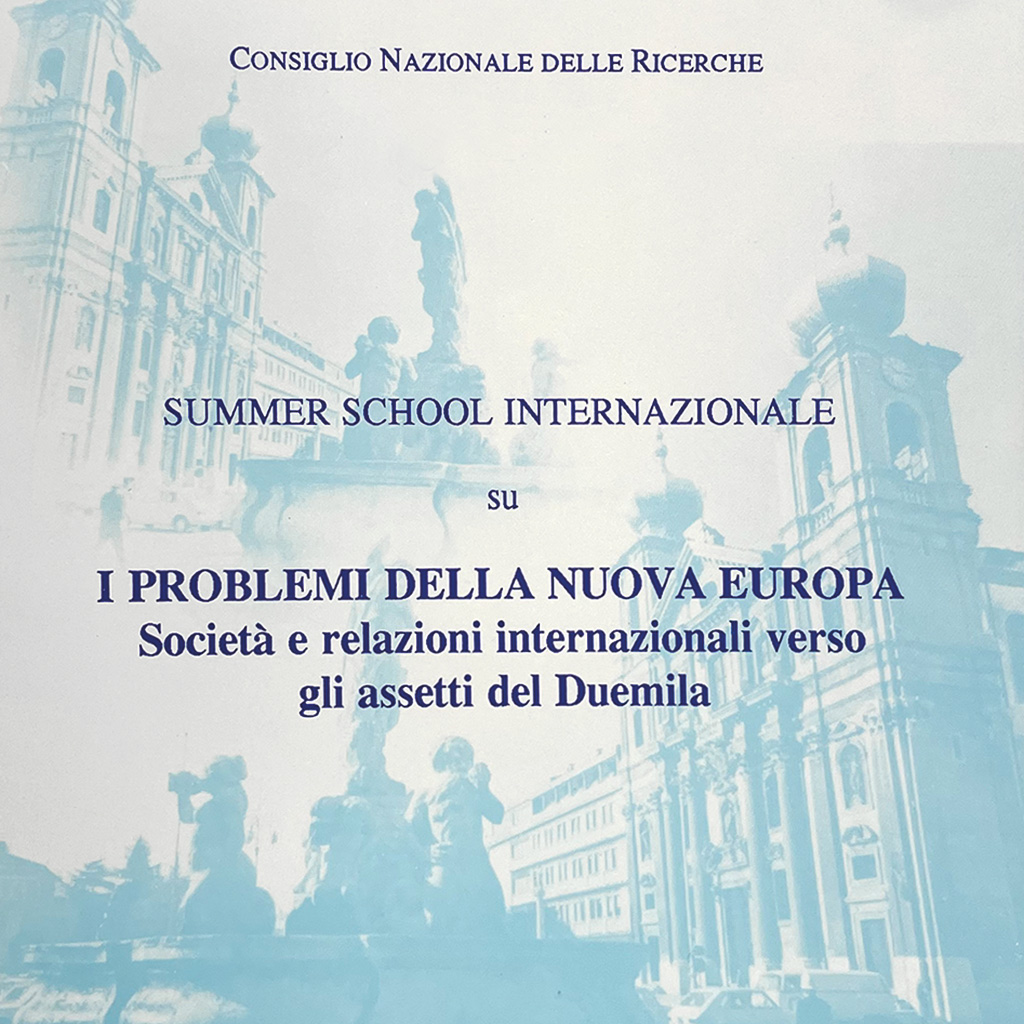
The first edition of ISIG Summer School is held on the theme “New Europe’s problems”, destined to become a mainstay of educational offerings for the next decade.
ISIG carries out the research “EUREGO. The design of a Europrovince” in which the study of the cross-border governance models of Gorizia and Nova Gorica is explored.
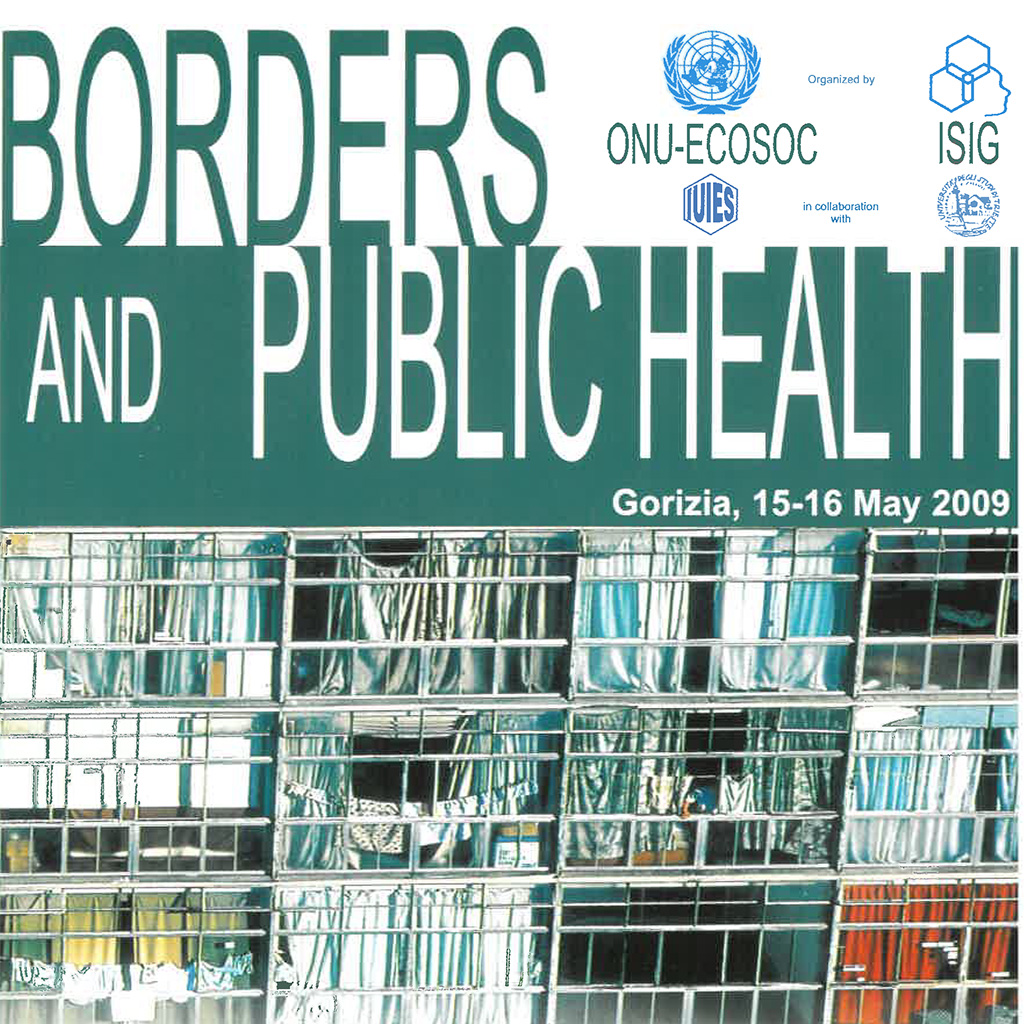
ISIG organises the international conference “Borders and Public Health.”, an event of global scope with experts from Europe, Africa, the Americas and Asia. In the same years, ISIG becomes a consultant for the UN ECOSOC.
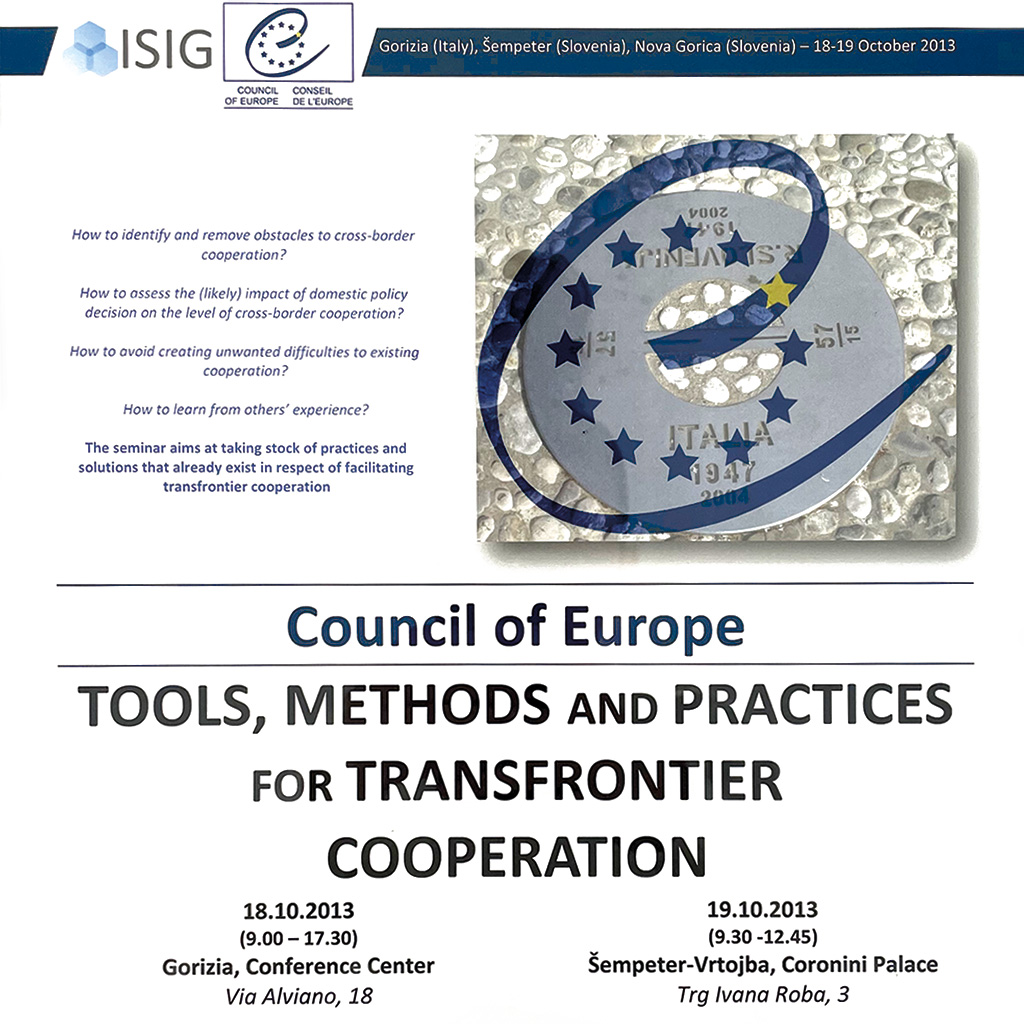
The Institute organises the International Seminar “Tools, Methods and Practices for Cross-Border Cooperation.”. The seminar constitutes the starting point of a partnership which, over time, expanded to topics such as good democratic governance, civic participation, education and resilience.
ISIG intensifies its international planning and networking activities, significantly increasing the number of submitted proposals and obtained funding.
The Council of Europe appoints ISIG as scientific lead for the preparation of the Recommendation on Principles of Good Democratic Governance, adopted Sept. 6, 2023, recognising its long-lasting experience in institutional support.