Objectives of the workshop
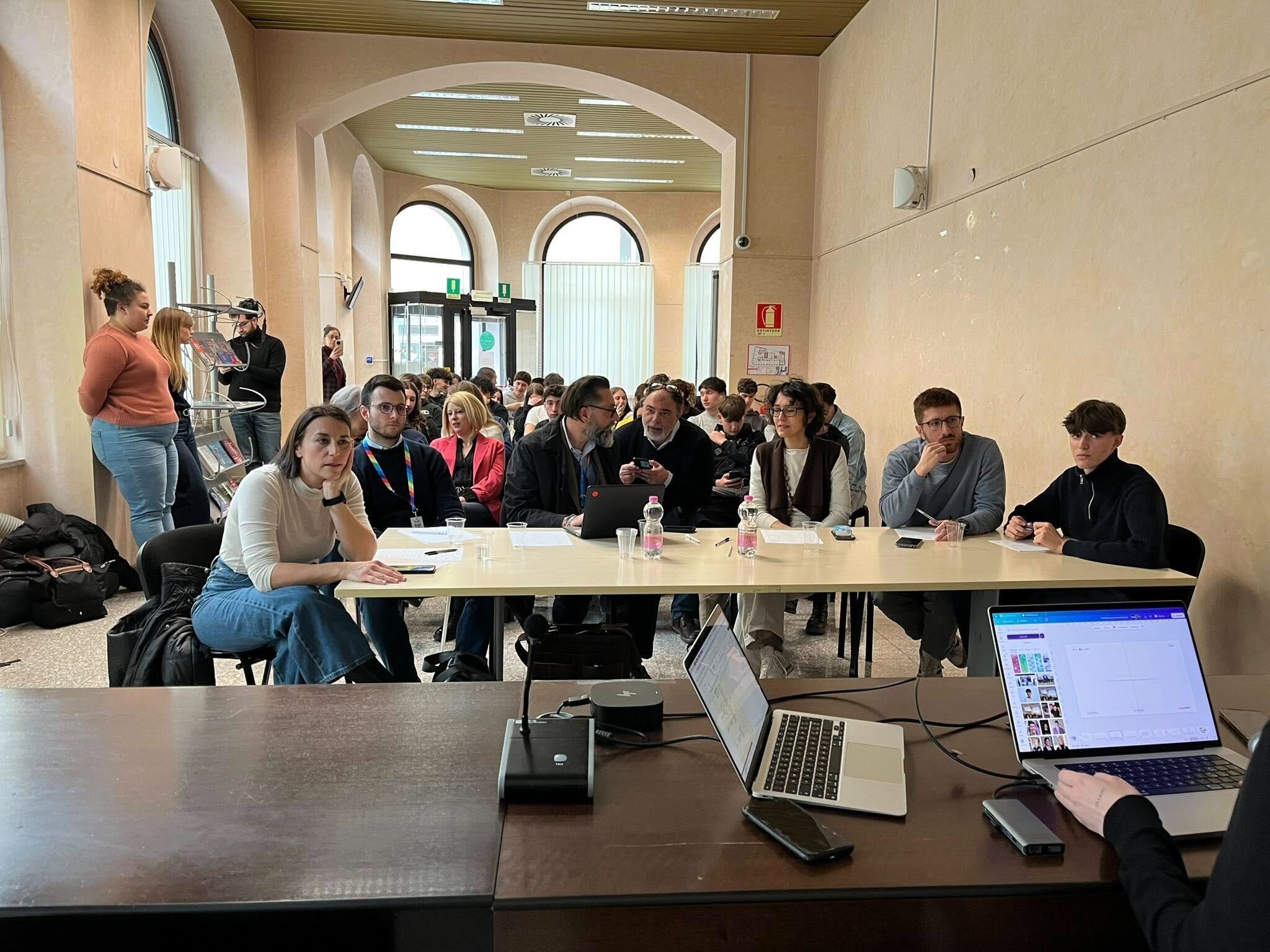
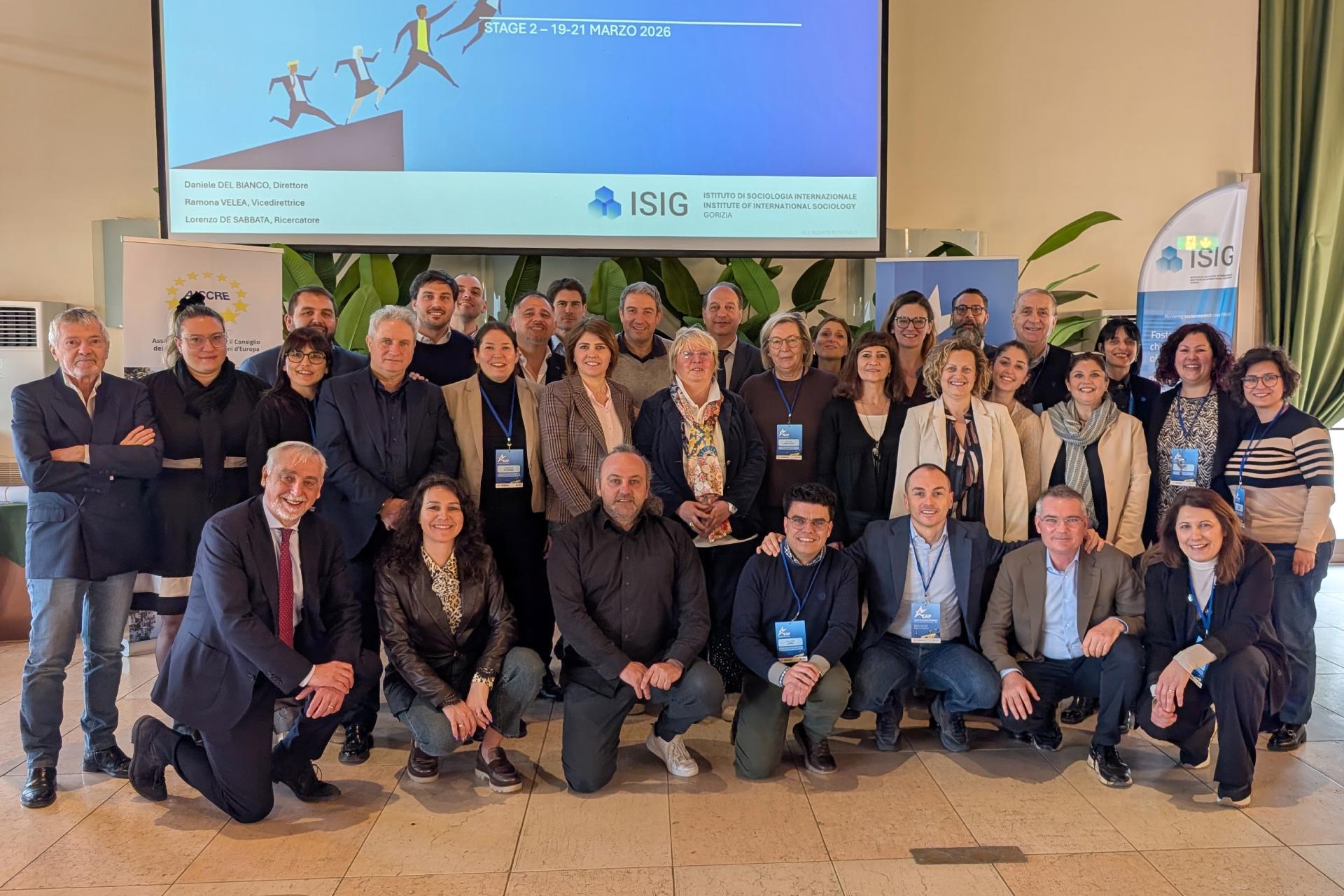
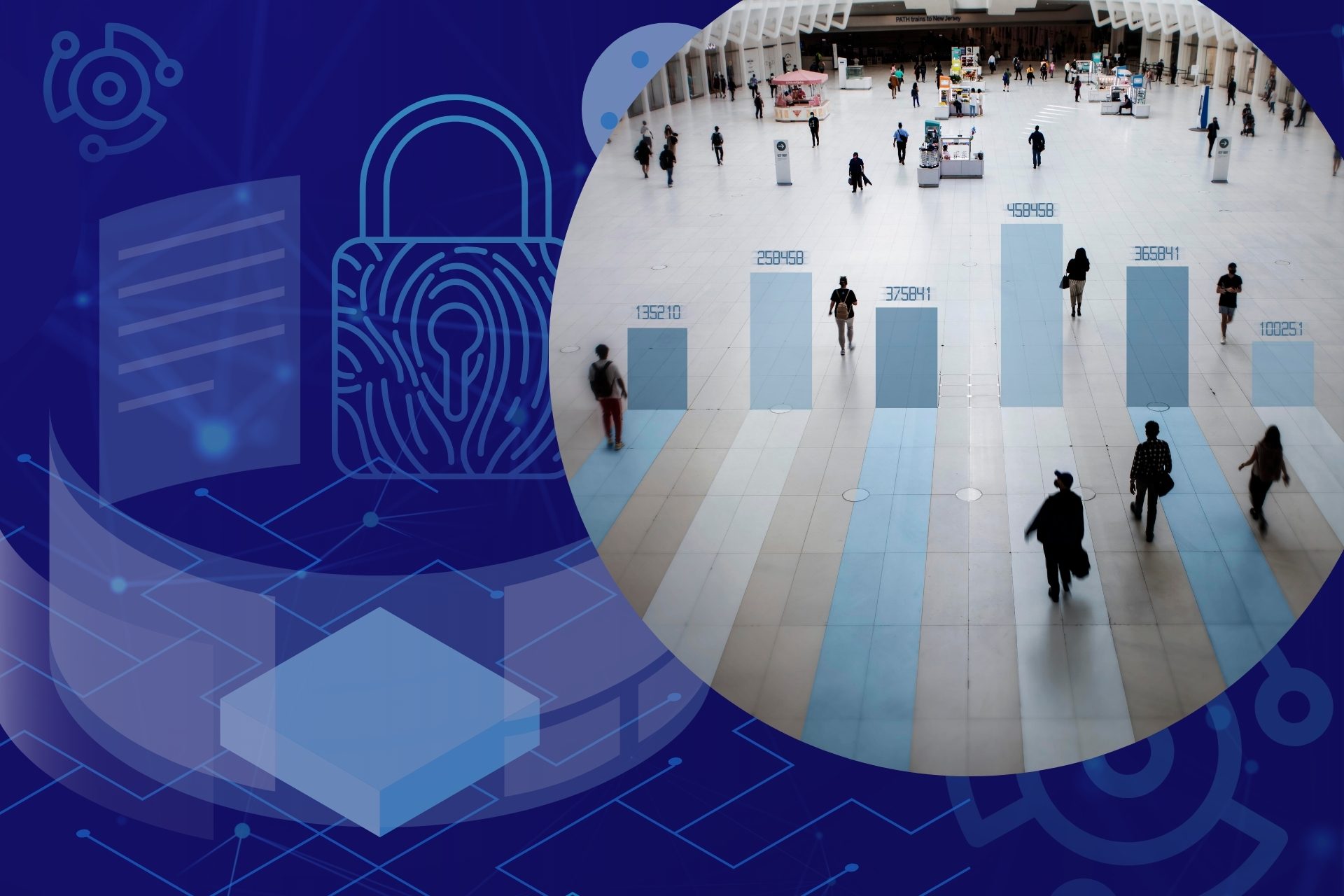
Organized by the synergistic projects I-SEAMORE, ODYSSEUS, FLEXI-cross, and BAG-INTEL, the workshop brought together various European stakeholders to discuss ethical challenges in the application of border security technologies. The workshop addressed AI law, privacy and ethical concerns and challenges, promoting collaboration and proposing solutions to align border management operations with societal values.
Key findings
The workshop featured presentations from synergistic projects that offered unique insights into the ethical and social dimensions of border management technologies:
- ODYSSEUS: explored the implications of the AI Act, offering insights on compliance and promoting responsible innovation.
- BAG-INTEL: addressed the ethical challenges of AI screening of luggage, presenting customized strategies adaptable to similar initiatives.
- FLEXI-cross: presented its risk assessment and mitigation strategies for border control tools, balancing operational benefits with the fundamental rights of travelers.
- I-SEAMORE: explored public trust and inclusiveness in maritime border technologies, promoting stakeholder engagement to develop rights-oriented security solutions.
Interactive session
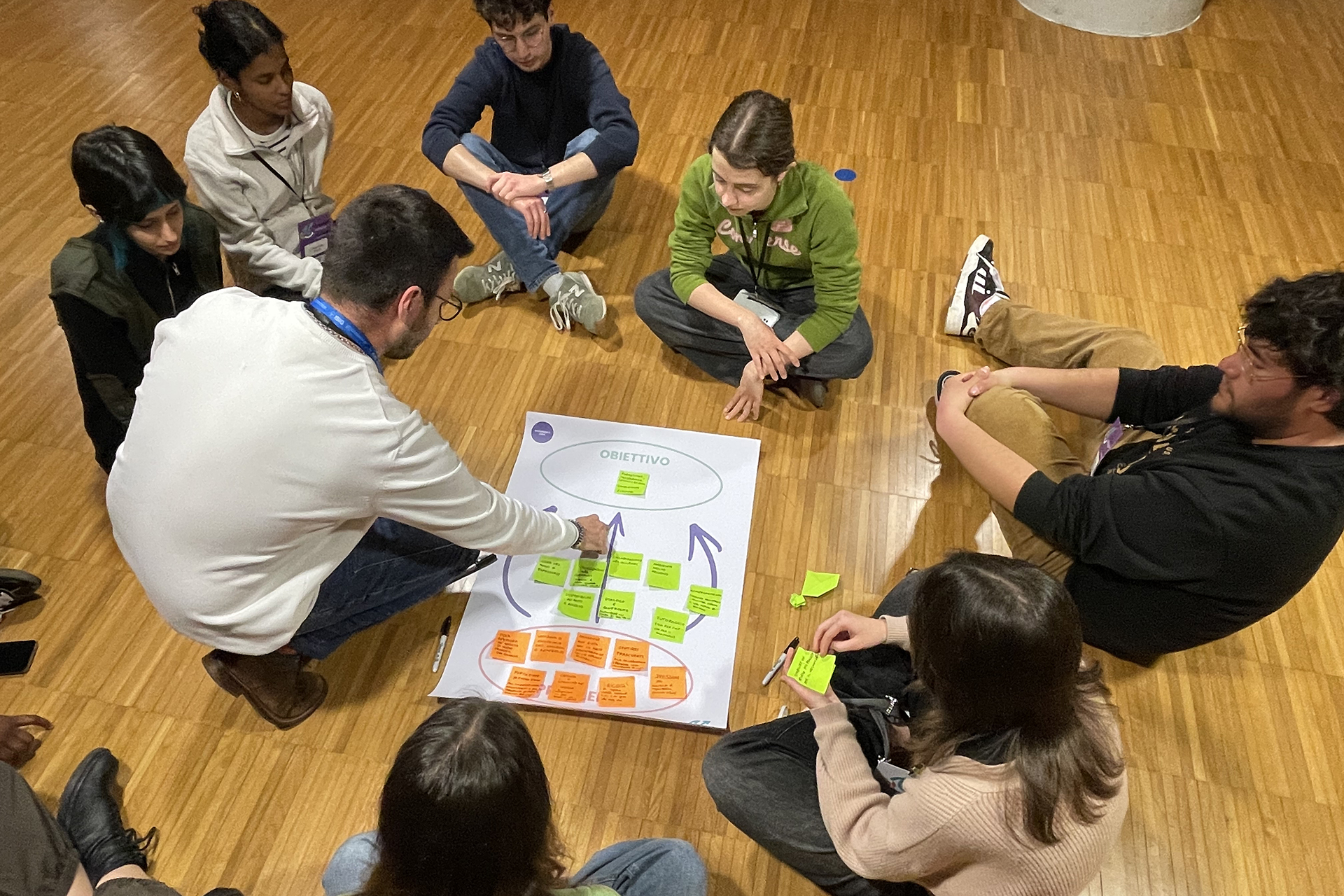
The workshop featured 3 interactive sessions that addressed legal, social, and operational challenges in the use of frontier technologies.
Key findings include:
- Legal frameworks: participants highlighted challenges such as overlapping regulations (GDPR, AI law and its delayed implementation) and fragmented legal requirements. Proposed solutions include the development of user guidelines and clear operational protocols for users.
- Social concerns: discussions emphasized citizen involvement, the need to address stereotypes about technology, and balancing security and privacy. Proposed actions include inclusive dialogue with stakeholders, customized communication strategies, and mediation workshops to align different perspectives.
- Operational integration: challenges include balancing privacy preservation with data usability, ensuring system equity, and ethical training of end users. Solutions focused on improving transparency, promoting stakeholder participation to build trust, and enabling open access AI tools.
These insights represent an important step toward the ethical deployment of technologies in border management. Building on the success of this workshop, additional activities will be organized in the coming months to further engage stakeholders across Europe. These initiatives will aim to deepen collaboration, explore emerging challenges, and co-develop practical solutions that align border management technologies with societal values and ethical standards.