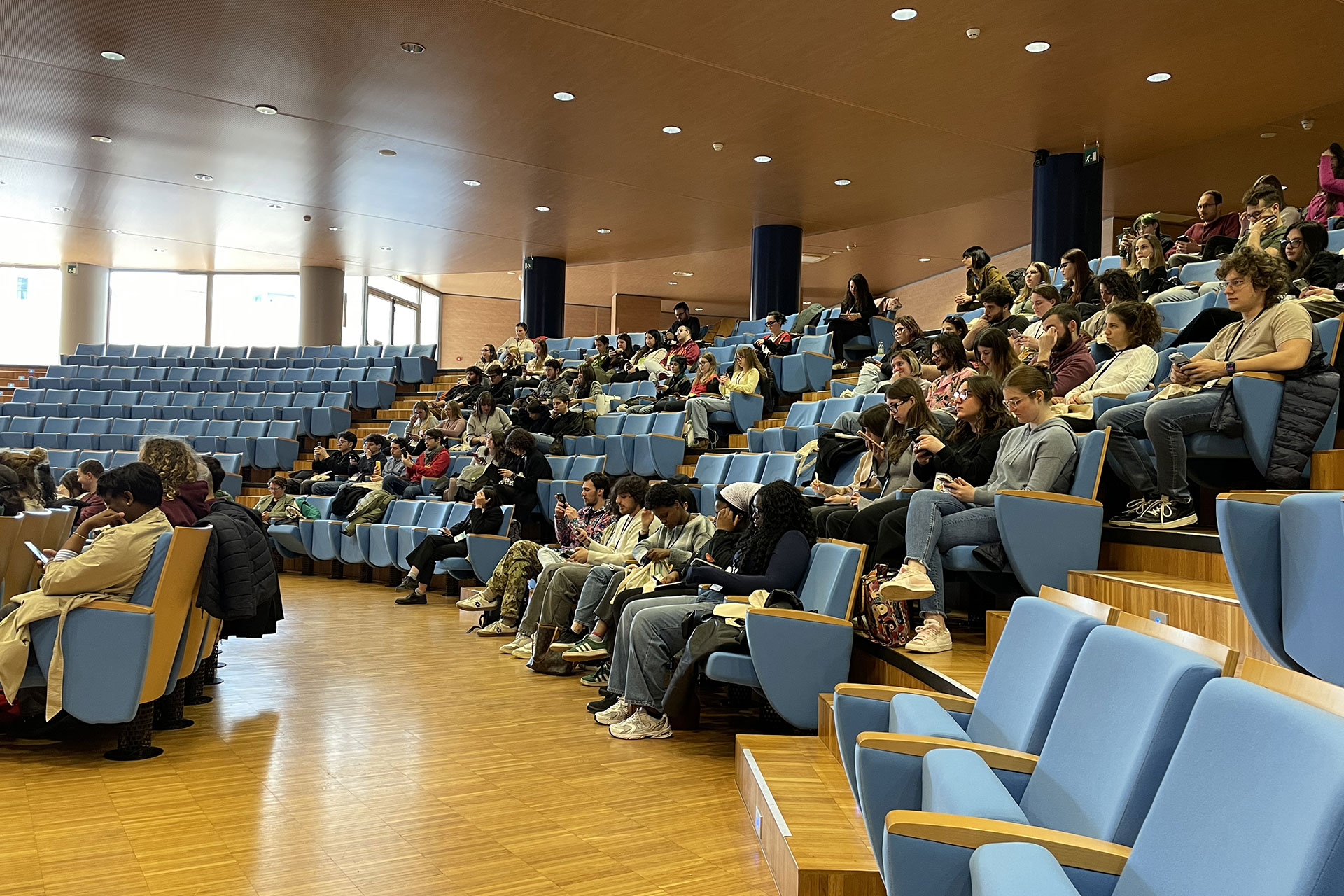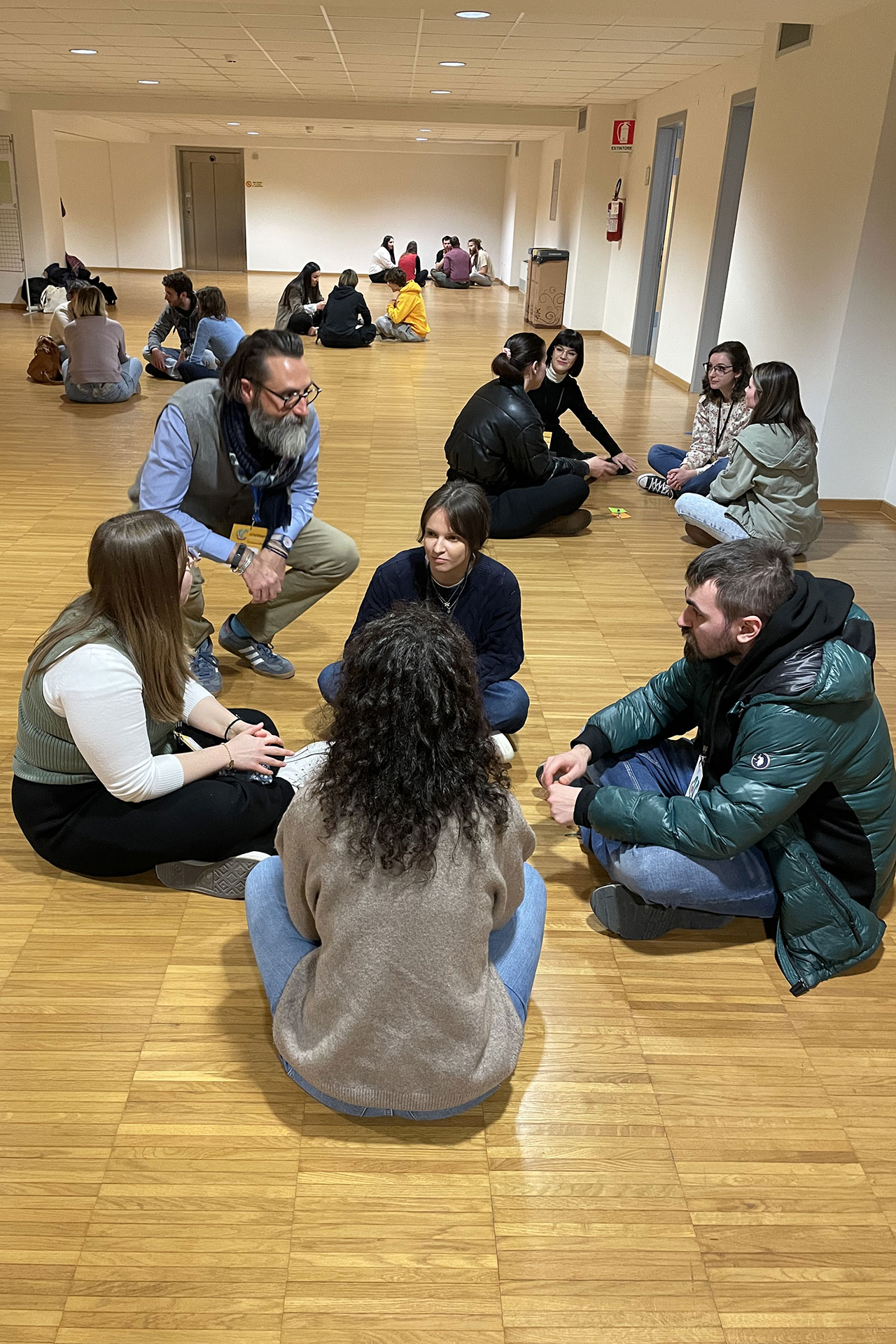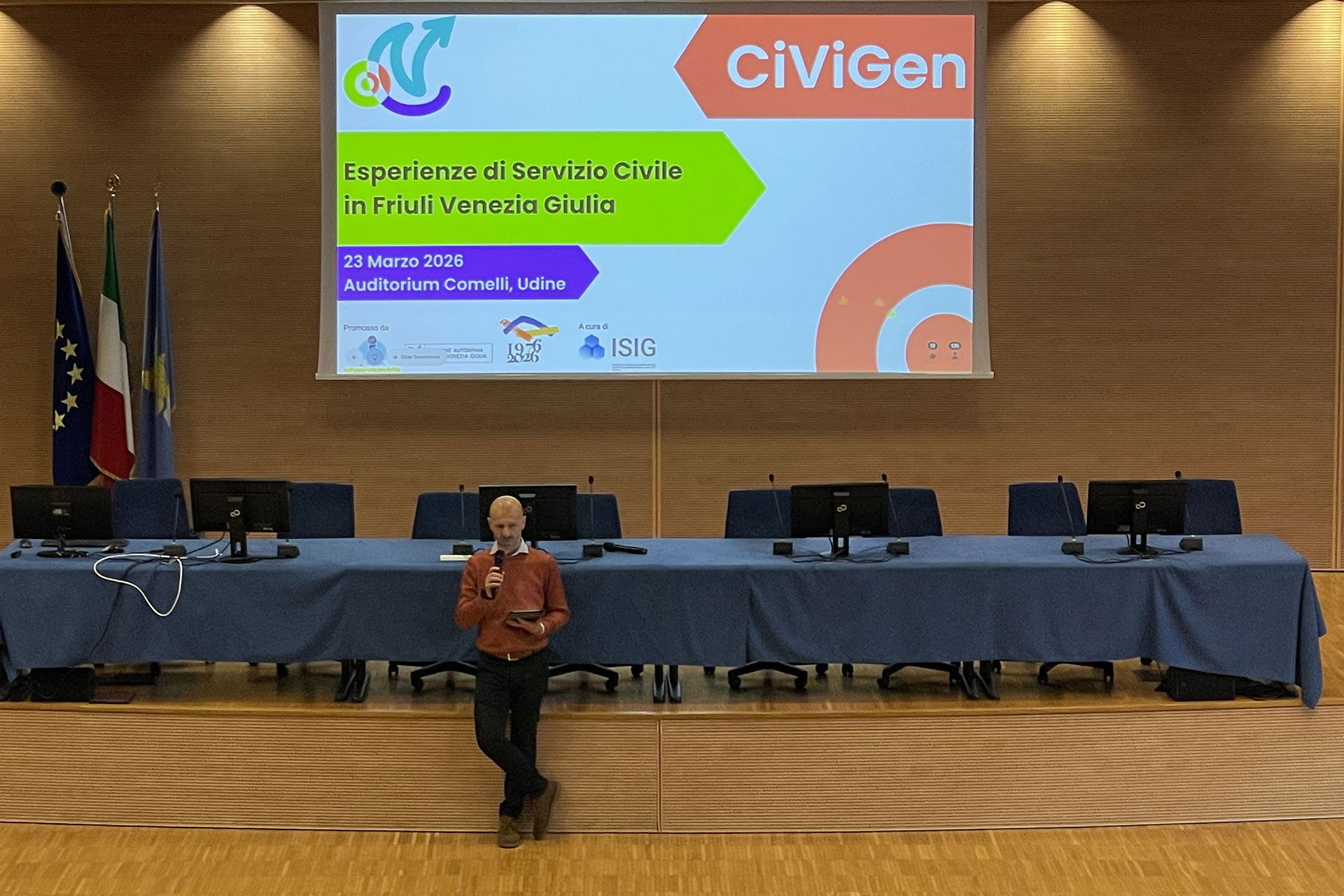
On Monday, March 23, 2026, Udine hosted the FVG Regional Civil Service Day, an event attended by 150 volunteer Civil Service workers from across the region. The day, called CiViGen, was conceived as a space for discussion and reflection on the relationship between young people, institutions and active citizenship, with the aim of enhancing the participants’ experiences and transforming them into concrete ideas for improving the regional Civil Service system.
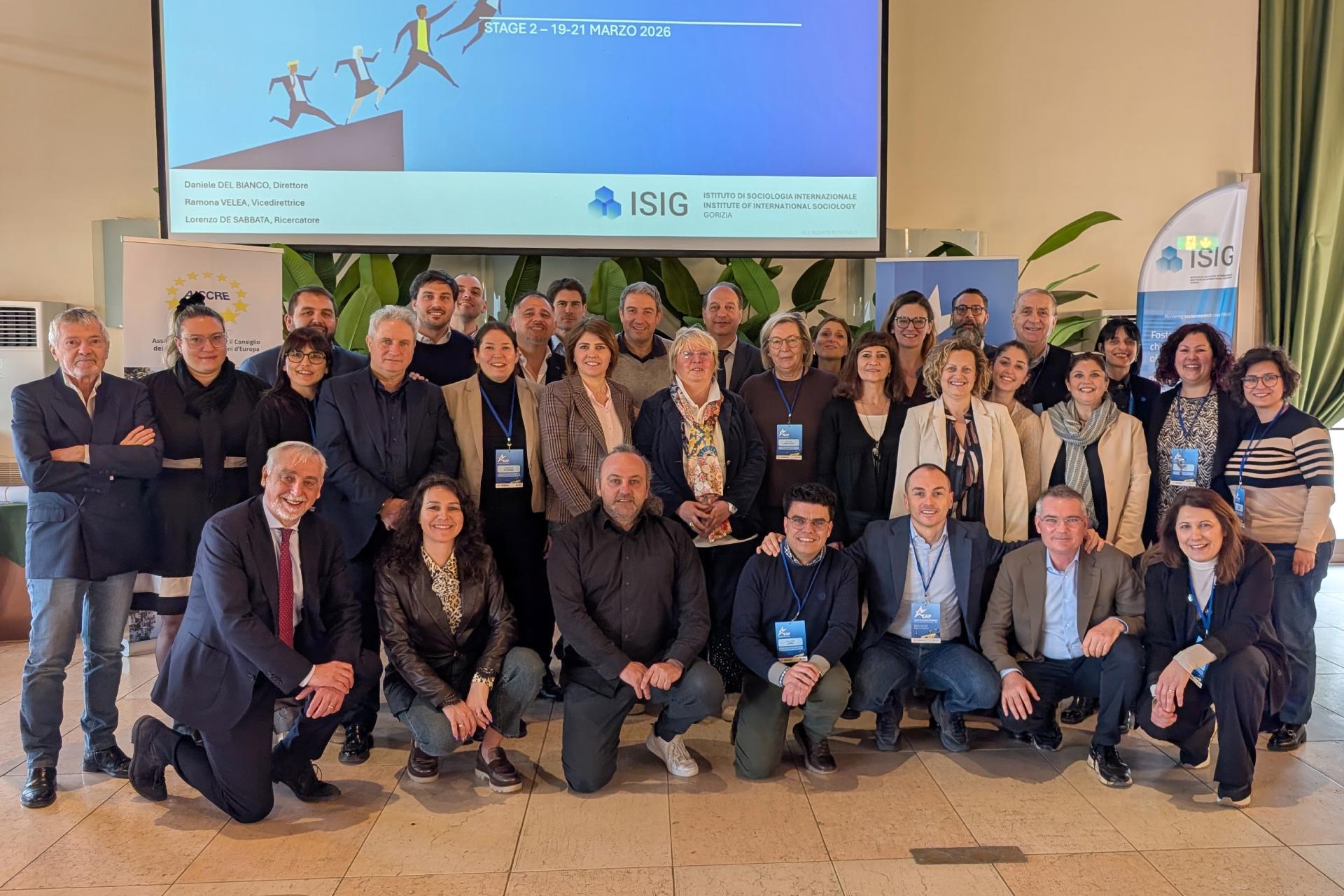
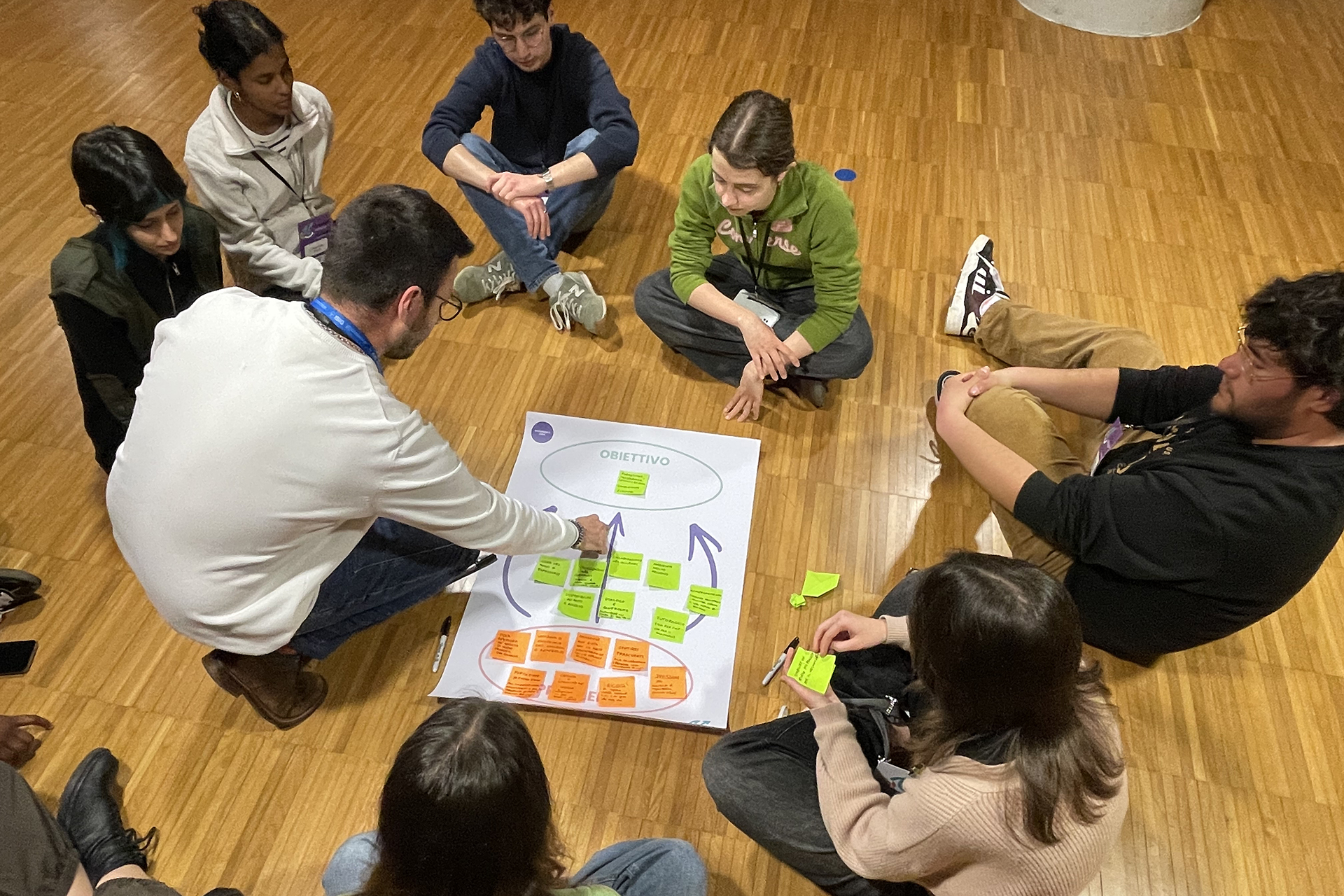
The initiative was methodologically curated byISIG – Institute of International Sociology of Gorizia, which designed the day around moments of listening, group work and collective restitution. The goal was clear: to bring out experiences, challenges and potential of Civil Service and translate them into concrete proposals for the improvement of the system at the regional level.
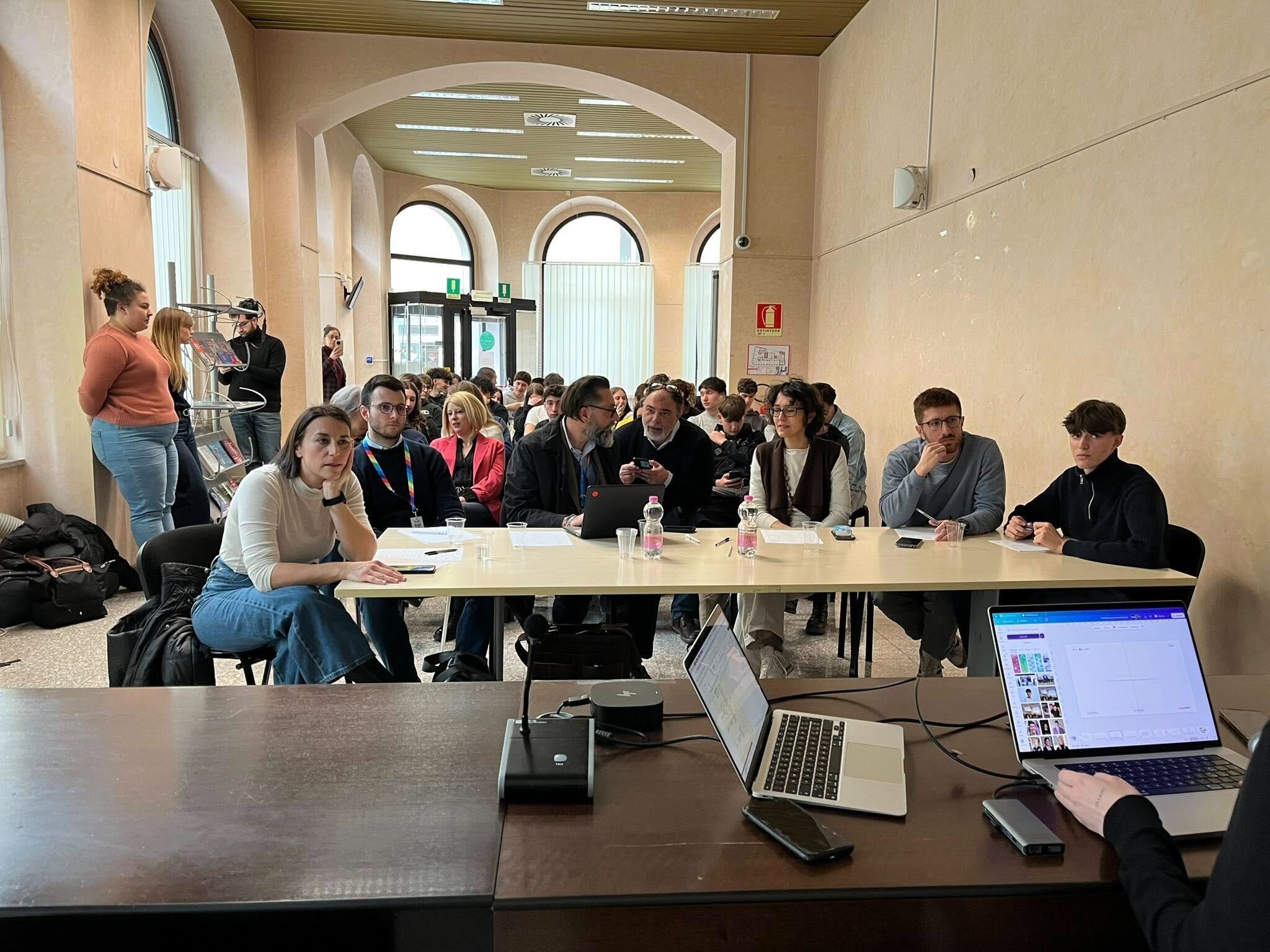
Regional Councillor Riccardo Riccardi and Regional Director for Civil ServiceFederica Morgera opened the opening session as institutional guests, stressing the importance of the contribution of young volunteers for the Friuli Venezia Giulia Region, defining Civil Service activities as a fundamental value and a valuable resource for the community.
The event as a workshop for active citizenship
CiViGen’s day was developed according to the working hypothesis that considers Civil Service as a laboratory of active citizenship. This means that the volunteer experience not only offers concrete support to the community, but is also a tool for developing civic, personal and professional skills, increasing the awareness and sense of responsibility of the staff members involved.
Through a structured process of listening and discussion, participants were able to reflect on their experience, share insights and transform them into useful proposals for strengthening the regional Civil Service.
The basis for starting work
During the opening plenary,ISIG conducted a real-time survey to bring out some of the volunteers’ most meaningful experiences. The main questions covered both the most valuable aspects of their experience and areas for improvement.
- Most valuable aspect of Civil Service: “The development of civic and personality skills useful for utilization.”
- Aspects to be strengthened: “The spaces for initiative and participation in activities.”
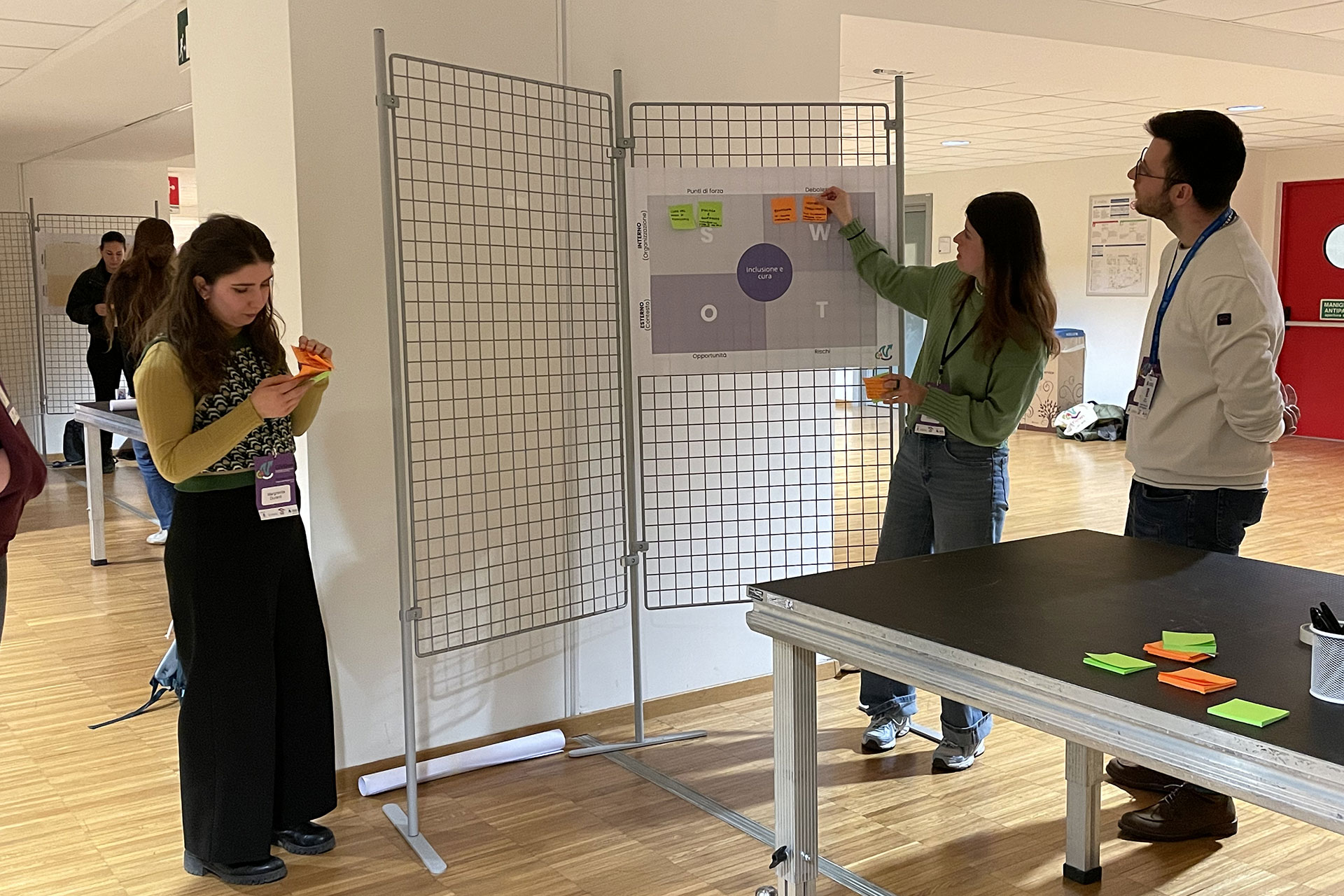
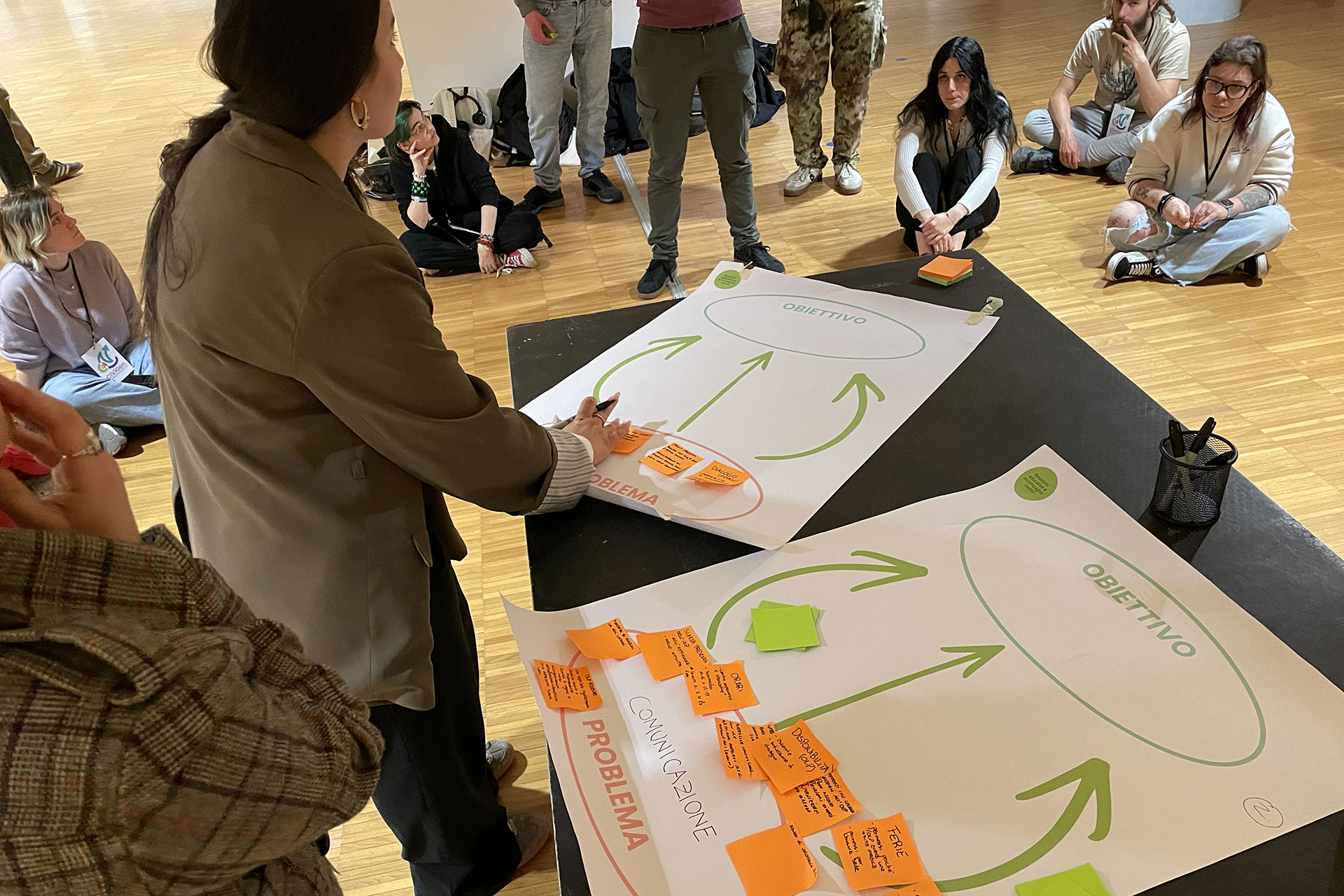
These results formed the basis for the work of the thematic groups, which focused on six macro areas:
- Youth, Civil Service and institutions: trust, distance, credibility. Analyzes volunteers’ relationship with institutions, role clarity, transparency, and communication.
- Active participation: initiative, responsibility, scope for action. Explores how far volunteers can propose ideas, affect decisions, and take operational responsibility.
- Educational relationships and accompaniment: mentoring, listening, reciprocity. Focus on the quality of relationships with tutors and referrers, listening and the ability to accompany in difficulties.
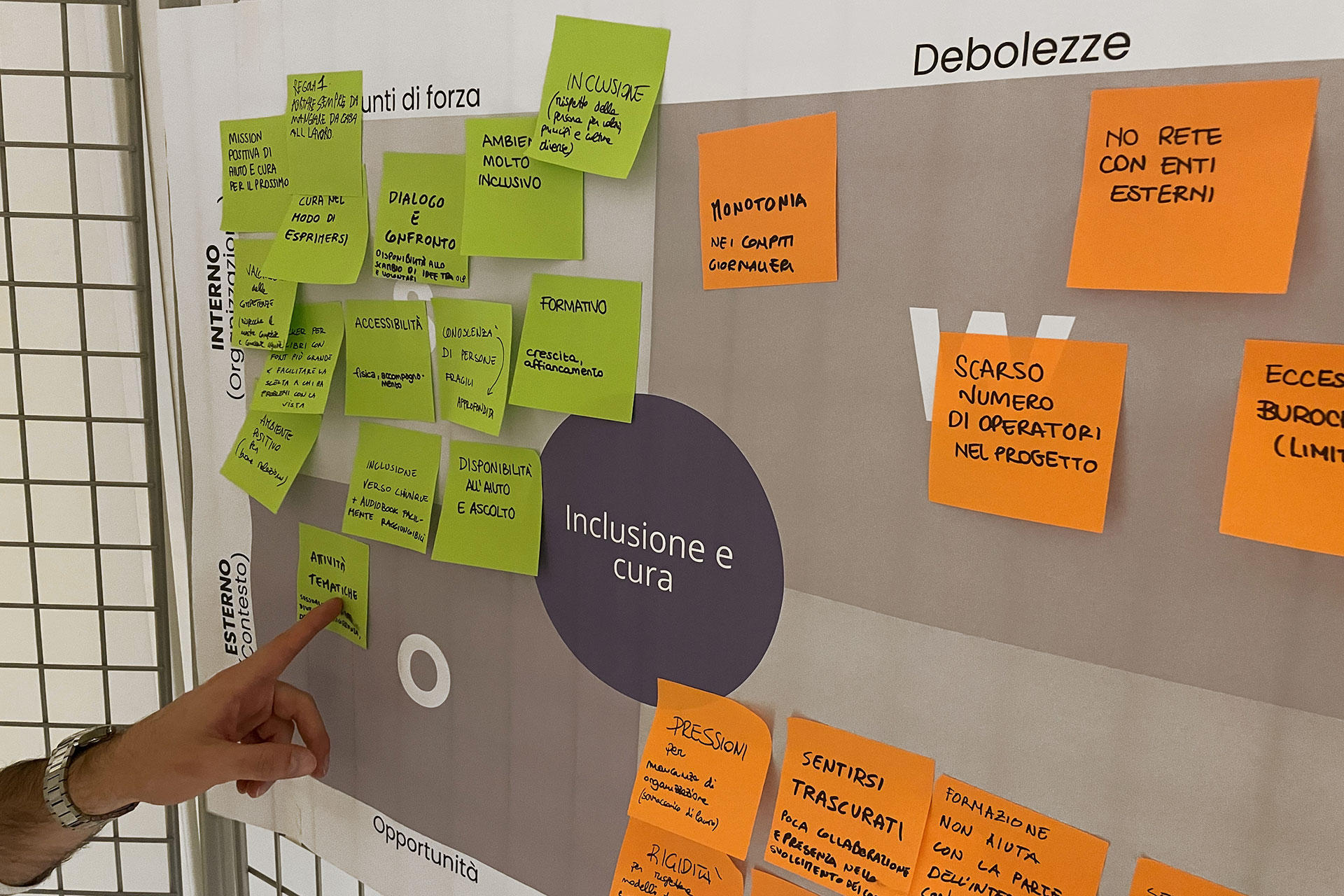
- Inclusion and care: accessibility, frailty, respect for diversity. Analyzes the effective accessibility of Civil Service and attention to diversity and fragility.
- Civic, personal and professional skills: awareness, skills, recognition. Assesses skills acquired in “doing citizenship” and cross-curricular skills expendable in the community.
- Connections with the territory: social utility, local impact, visibility. Reflects on how much volunteers perceive their contribution as useful and visible within the local area.
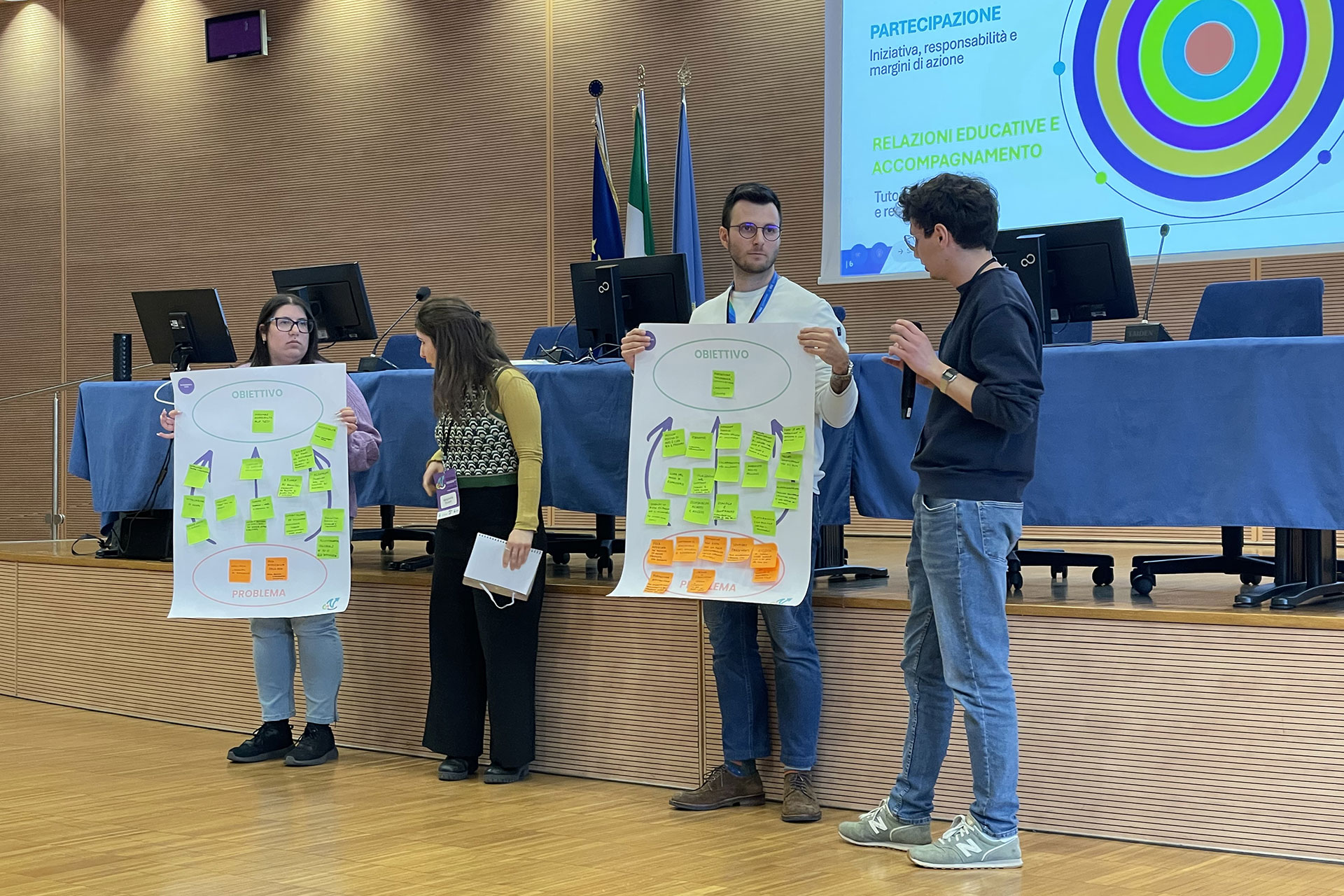
From the working tables: experiences, critical issues and proposals
Each group returned insightful observations and concrete proposals:
- Youth, Civil Service and Institutions: communication emerged as a central lever to reduce the distance between youth and institutions. Participants highlighted critical issues in institutional communication to the outside world, often perceived as inaccessible, fragmented or distant from the languages of young people. The need to improve internal communication between host organizations and institutions, ensuring clarity of roles and sharing of opportunities, was also highlighted. More structured, two-way communication is seen as an essential condition for strengthening trust and credibility in Civil Service.
- Connections with the local area: experiences were generally positive, with cultural enrichment and ongoing learning opportunities. Volunteers appreciated the flexibility of schedules, consistency between notice and activities performed, and the opportunity to interact with the community and feel useful. However, critical issues emerged in human resource management, such as unbalanced shifts, downtime, and limited contact with the public, as well as communication that was not always effective between local agencies and training paths that were not always functional.
- Inclusion and care: the balance was very positive, with three main dimensions: quality of internal relationships, concrete inclusion in activities, and educational value. Volunteers appreciated an inclusive context, based on listening and dialogue, with practical solutions for accessibility and strong insight into complex issues such as diversity and detention. The experience proved to be an accelerator of personal growth, fostering understanding of others’ frailties and developing new skills.
- Educational relations and accompaniment: strengths emerged related to communication, listening to each other and enhancing the volunteer’s role. Proposed actions include:
- Improve communication and listening to each other, creating spaces for discussion and promoting empathy between volunteers and operators.
- Clearly define duties and responsibilities of volunteers, enhancing their role through targeted training and dialogue with managers.
These initiatives aim to make the Civil Service experience increasingly enriching, meaningful and participatory.
CiViGen 2026 offered a unique space for listening, discussion and production of shared ideas, confirming Civil Service as a laboratory of active citizenship. Thanks to volunteers’ contributions and ISIG’s methodological mediation, the event highlighted strengths, critical issues and potential of Civil Service, laying a solid foundation for future improvements and an increasingly meaningful experience for young people and communities.