The project DIGIMOBI Torre and Natisone is an initiative funded by the Autonomous Region of Friuli-Venezia Giulia within the framework of the Smart Communities call for proposals (LR 7/2024, art. 10, cc. 30-33), with the aim of enhancing and promoting slow mobility in the Torre and Natisone Valleys. The initiative involves 16 municipalities in the area, working together to create an innovative and sustainable system of managing the local slow mobility network, through the use of digital tools and the active involvement of institutions, associations and operators in the area.
The project consists of several phases, including the mapping of the existing network, the definition of a shared governance model and the development of a digital platform for the coordination and promotion of the routes. The goal is to create a virtuous ecosystem that makes slow mobility a concrete development opportunity for the area, fostering sustainable tourism, the well-being of local communities and the protection of environmental heritage.
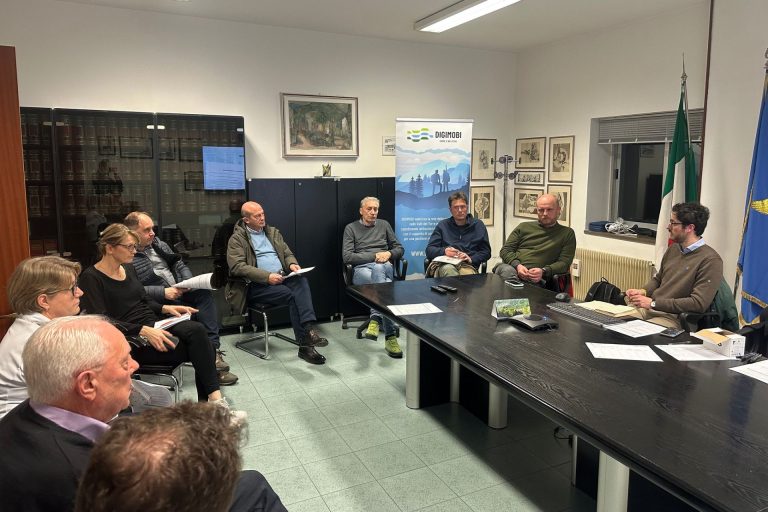
Kick-off meeting
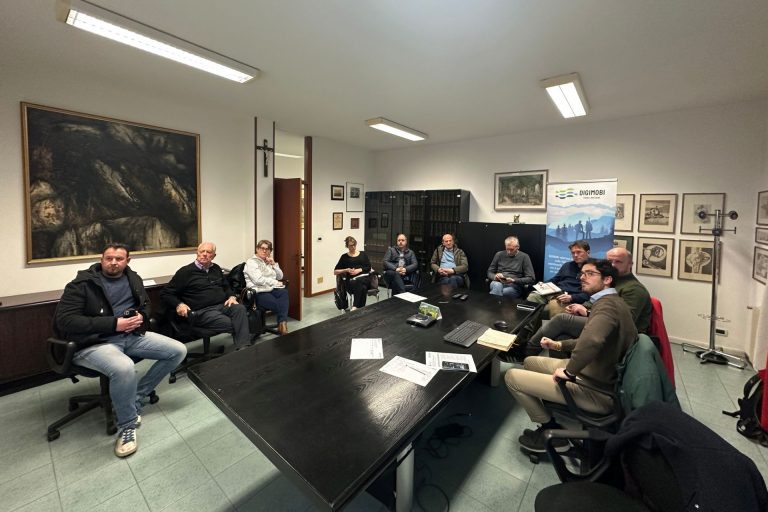
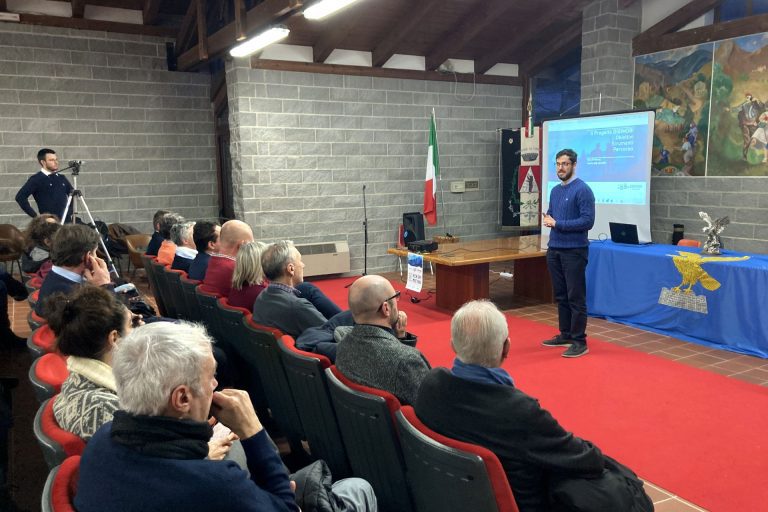
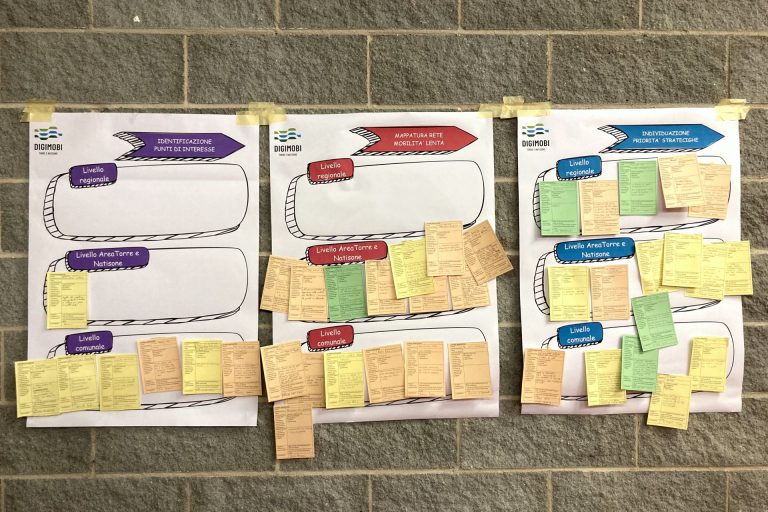
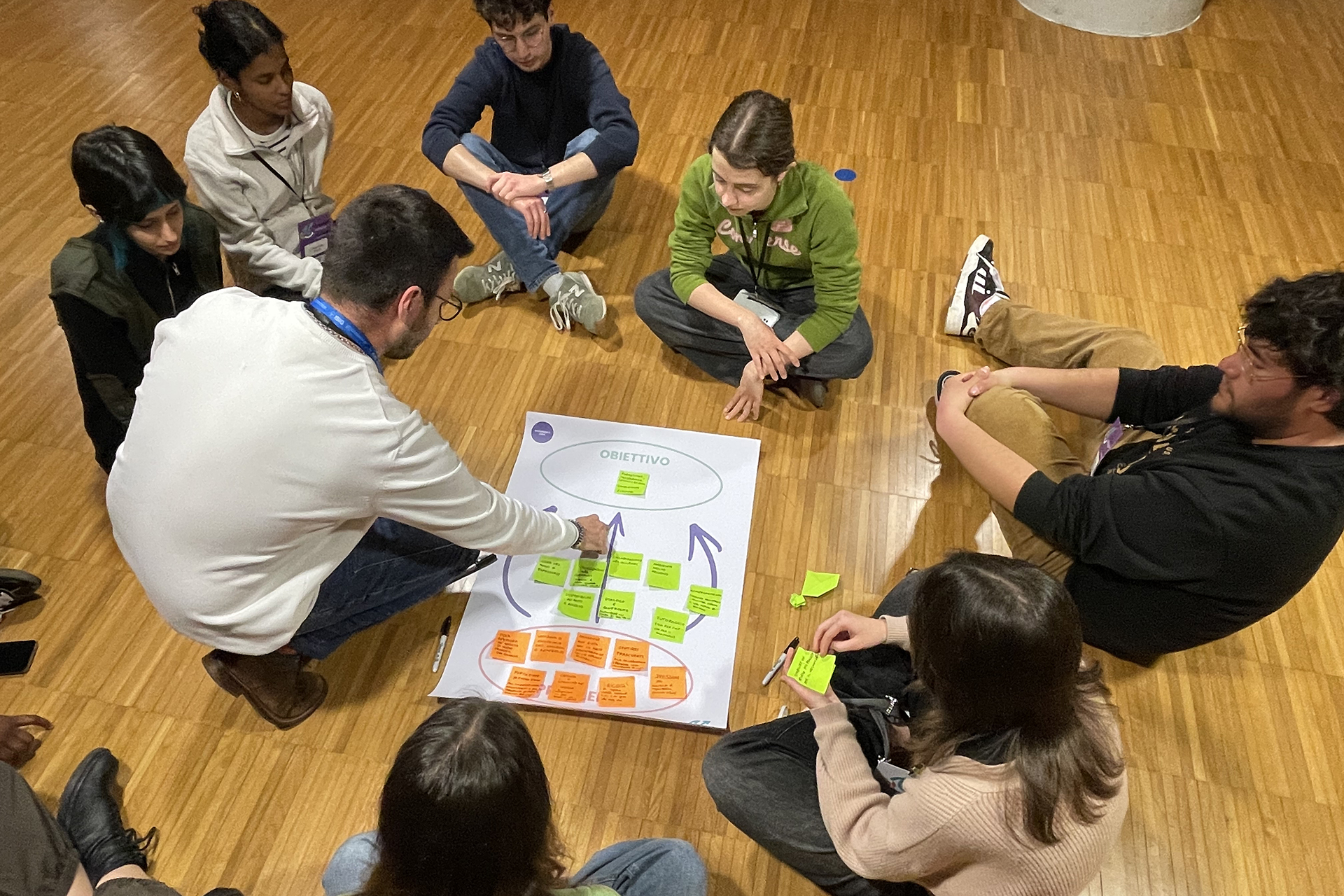
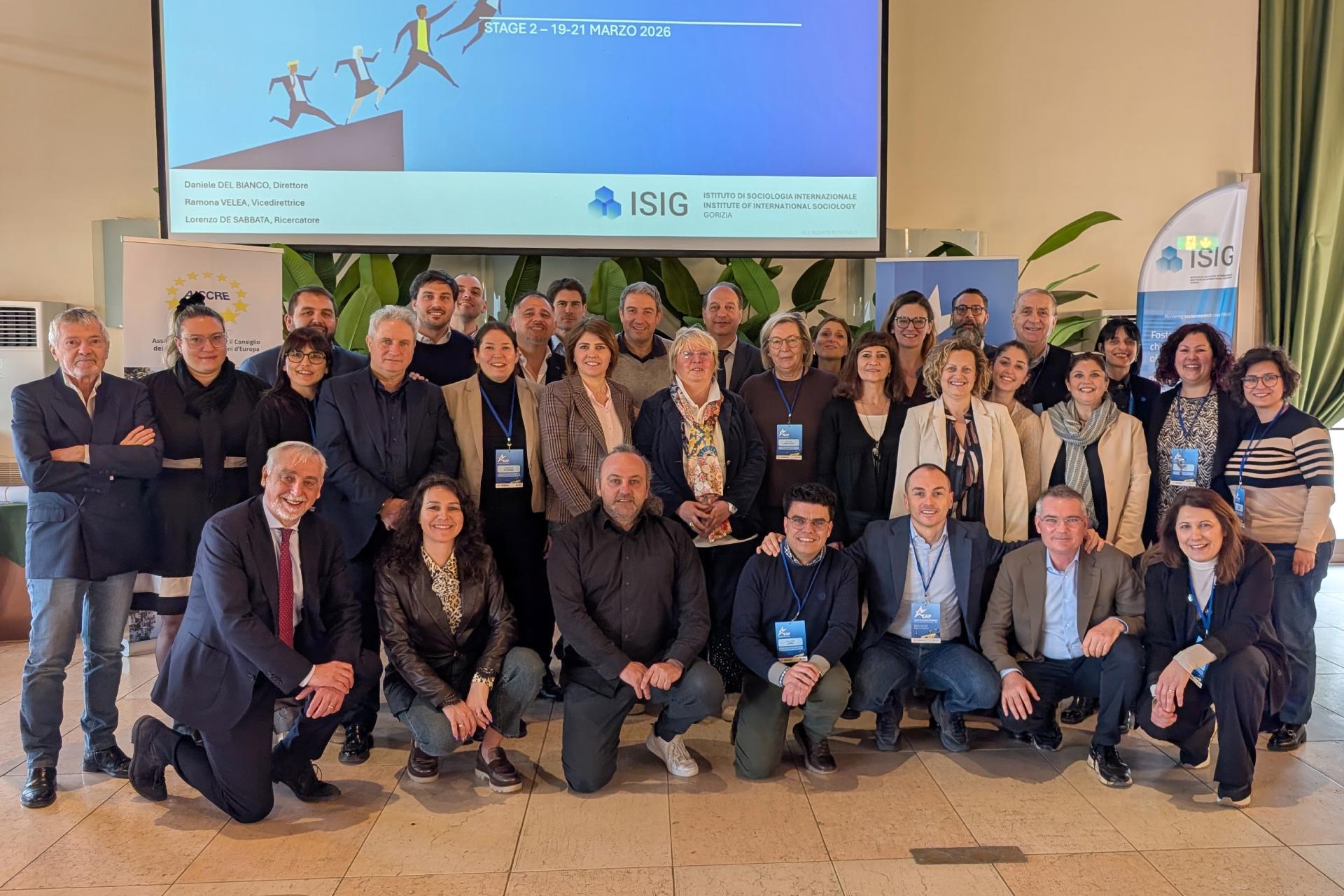
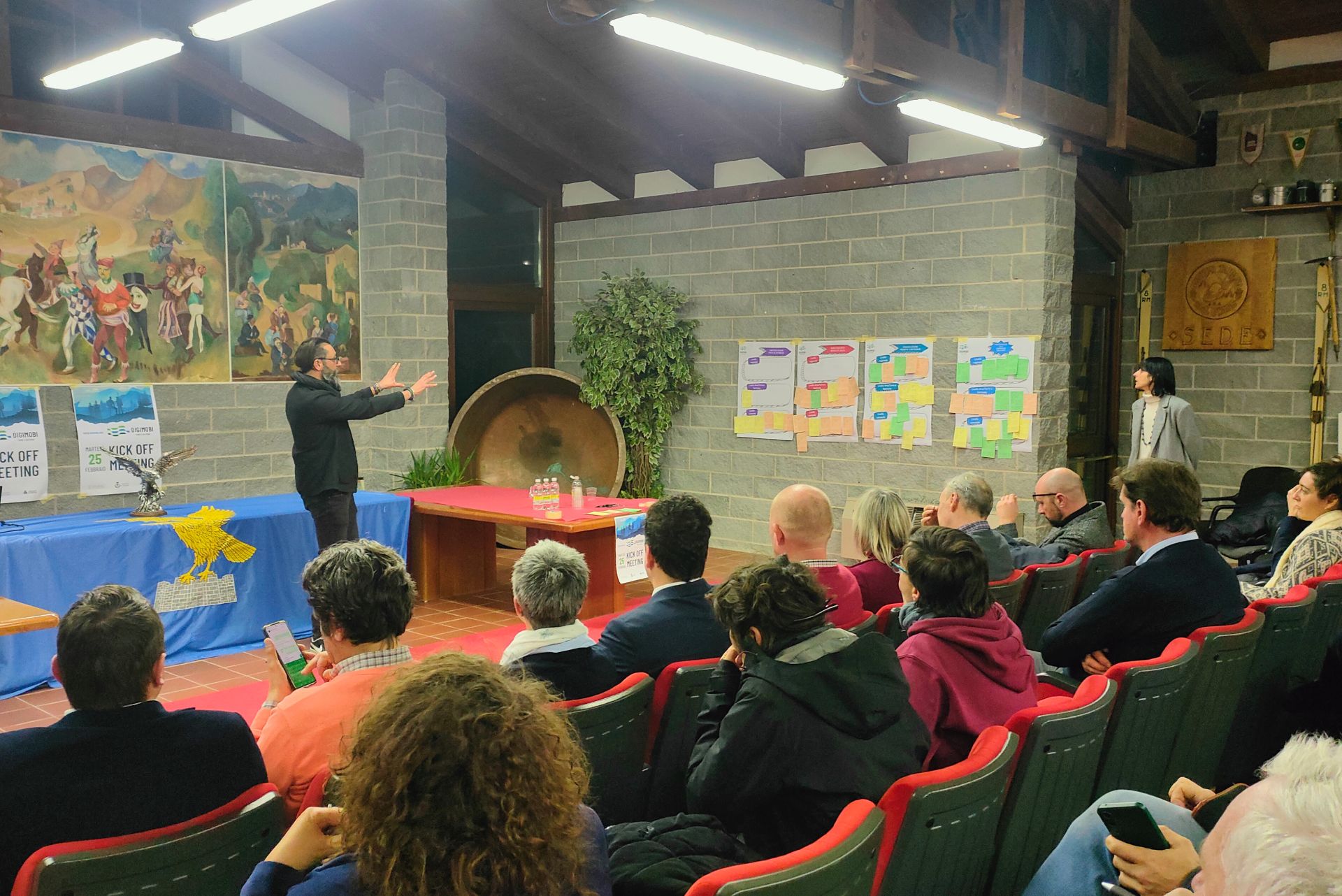
The Institute of International Sociology of Gorizia (ISIG) supports the project with technical and scientific input. The work focuses on identifying stakeholders to be involved, mapping slow mobility routes and points of interest, defining the governance model, and developing communication and management strategies for the project. Through a participatory approach, the institute aims to build a concrete and effective tool for the enhancement of slow mobility. The project was officially launched with the Kick-off Meeting of February 25, 2025, at the Taipana/Tipajski Komun City Council Hall.. The inaugural event was attended by 35 representatives of local and supra-local institutions, economic realities and third sector associations, demonstrating the strong interest and involvement of local communities. After institutional greetings by Alan Cecutti (mayor of Taipana), Paolo Perucci (Friuli-Venezia Giulia Region) and Luca Postregna (mayor of Stregna and project leader), the ISIG team detailed the project’s methodologies and objectives. An interactive session allowed participants to contribute to the mapping of the key actors for the four project phases:- mapping points of interest in the area
- mapping of slow mobility routes
- prioritization of intervention
- participation in the governance model
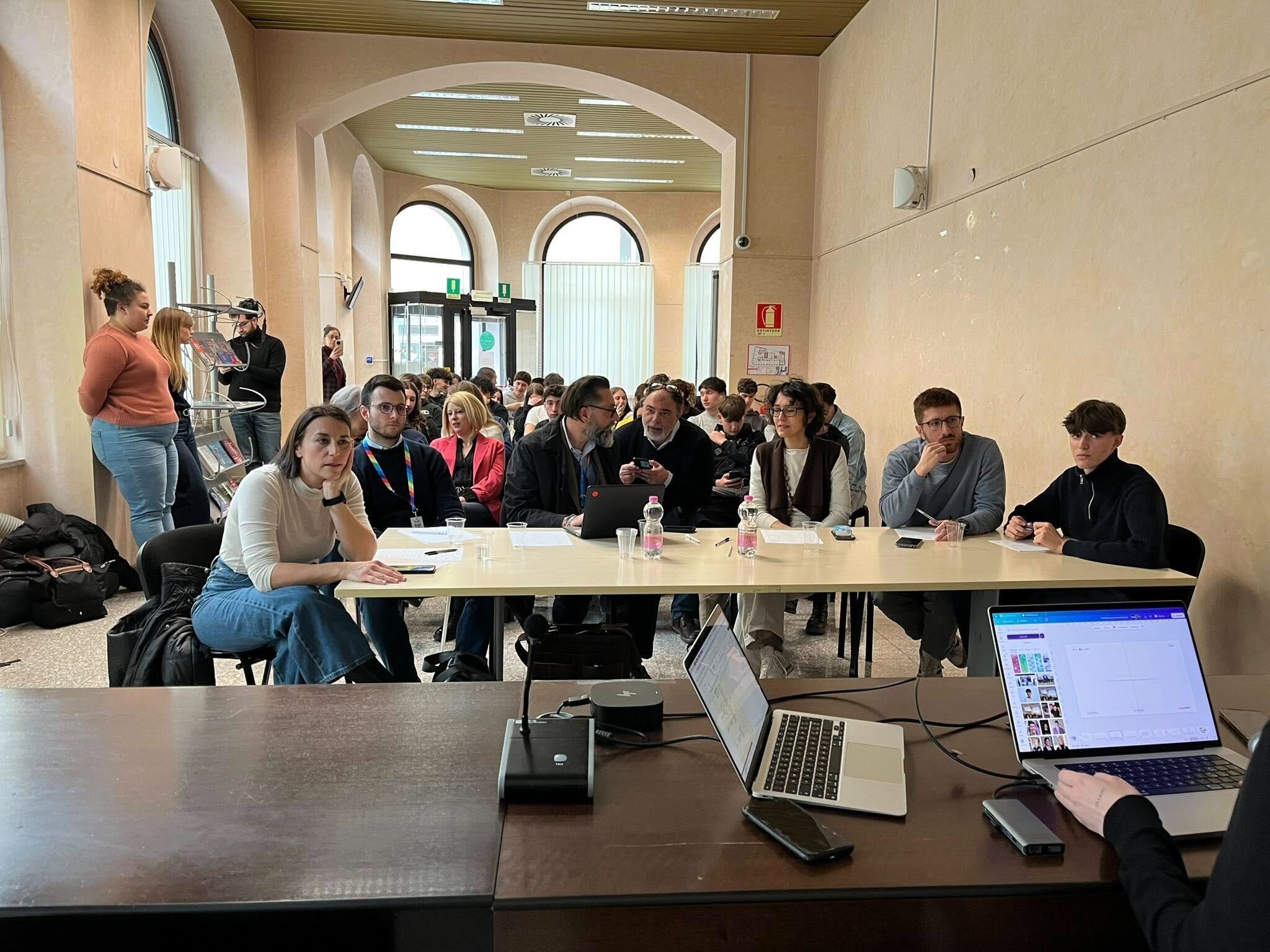
Focus groups with local governments
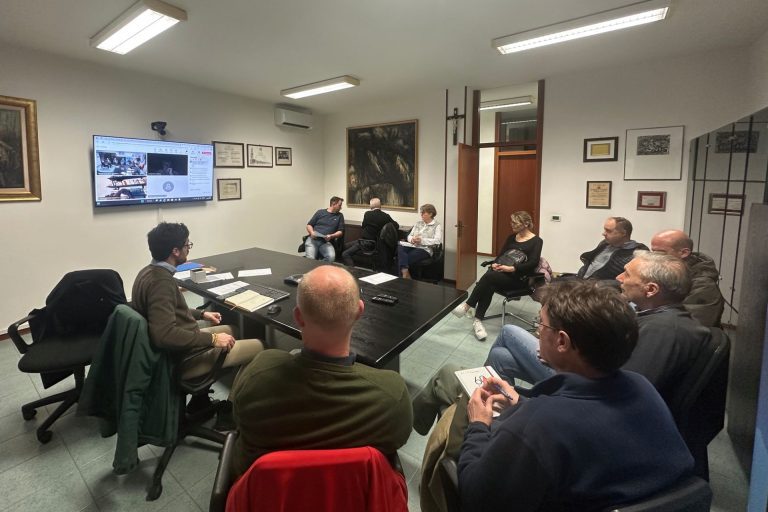
As part of the process of deepening the territorial dynamics, a Focus Group has been plannedon March 26, 2025 at San Pietro al Natisone, with the participation of local government representatives. The objective of the meeting was to deepen the role of local actors in the different phases of the project and validate the initial results that emerged from the kick-off meeting. During the discussion, the main parties involved in the project were analyzed, focusing on:- local institutions and their role in the coordination and management of pathways
- economic realities, with a focus on development opportunities for sustainable tourism
- area associations, central to the mapping phase but also to the shared management of the slow mobility network
Next steps
- March 2025: administering a questionnaire to local governments to gather more information about the actors involved and organizing a focus group to consolidate the data. The questionnaire made it possible to refine the mapping of actors, providing a clearer picture of the competencies and priorities of each actor. The results will be returned in the form of a searchable database for municipalities to facilitate project coordination and management.
- April – May 2025: first round of direct involvement of stakeholders previously identified as relevant stakeholders for mapping routes and points of interest.