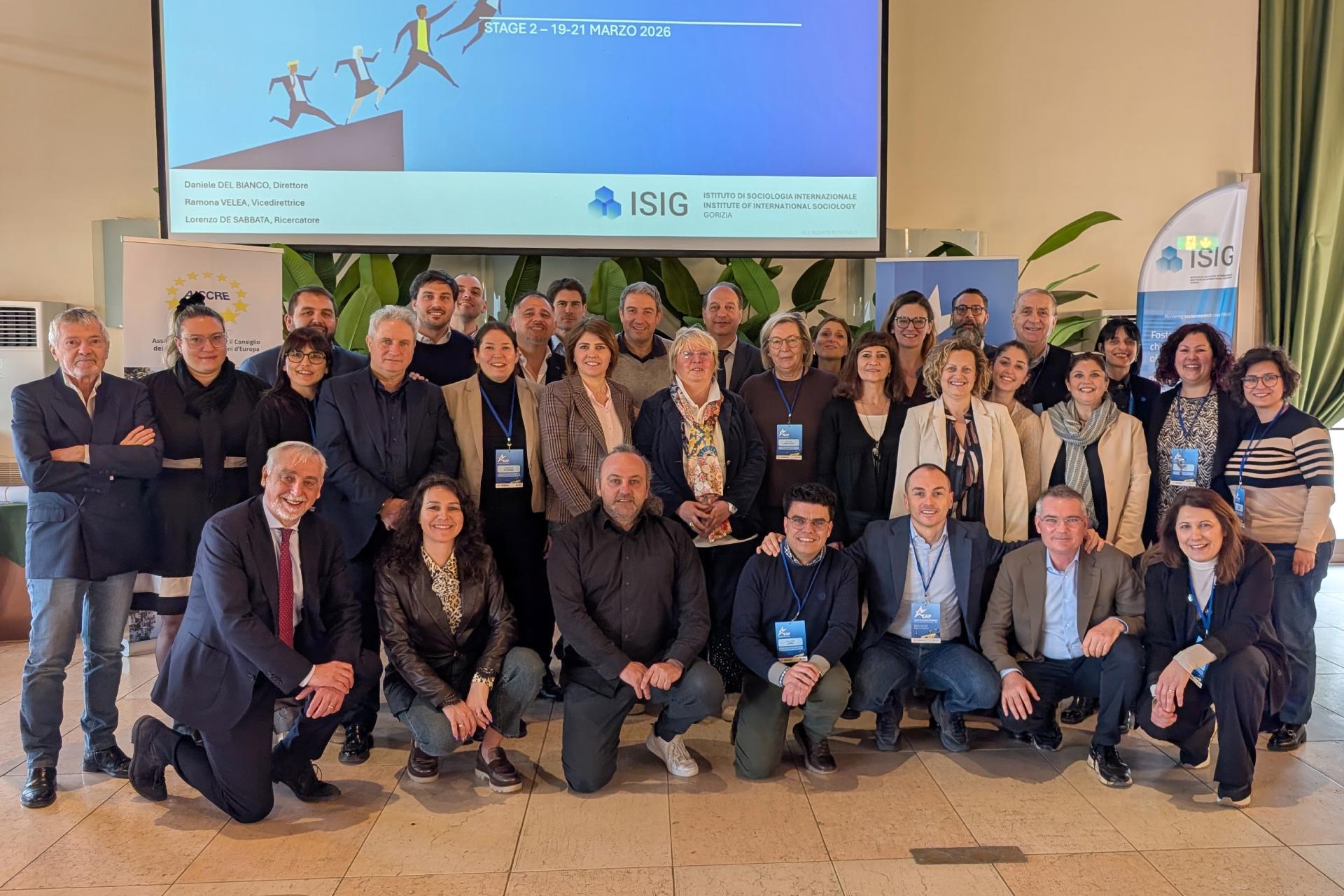
The International Sociology Institute of Gorizia is actively participating in the project Central Mountains, an initiative funded by the Interreg Central Europe program under the European Regional Development Fund (ERDF). The project, which started in April 2023 and is scheduled for completion in March 2026, involves 11 partners from 7 countries and affects 10 regions of central Europe.
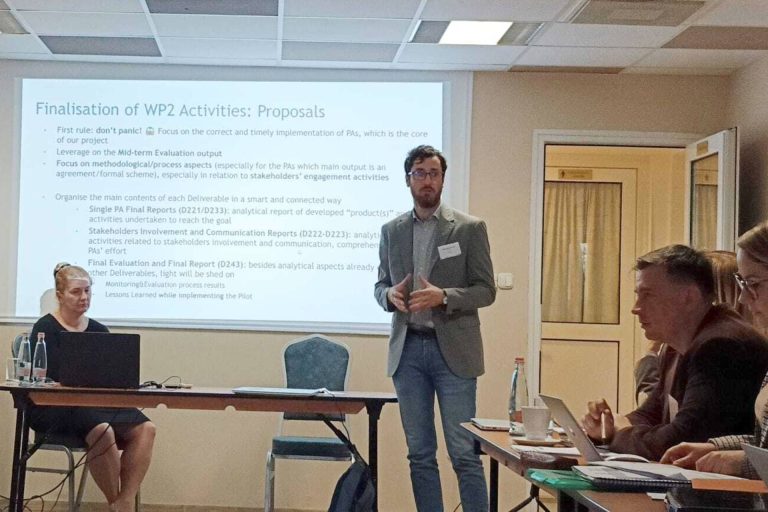
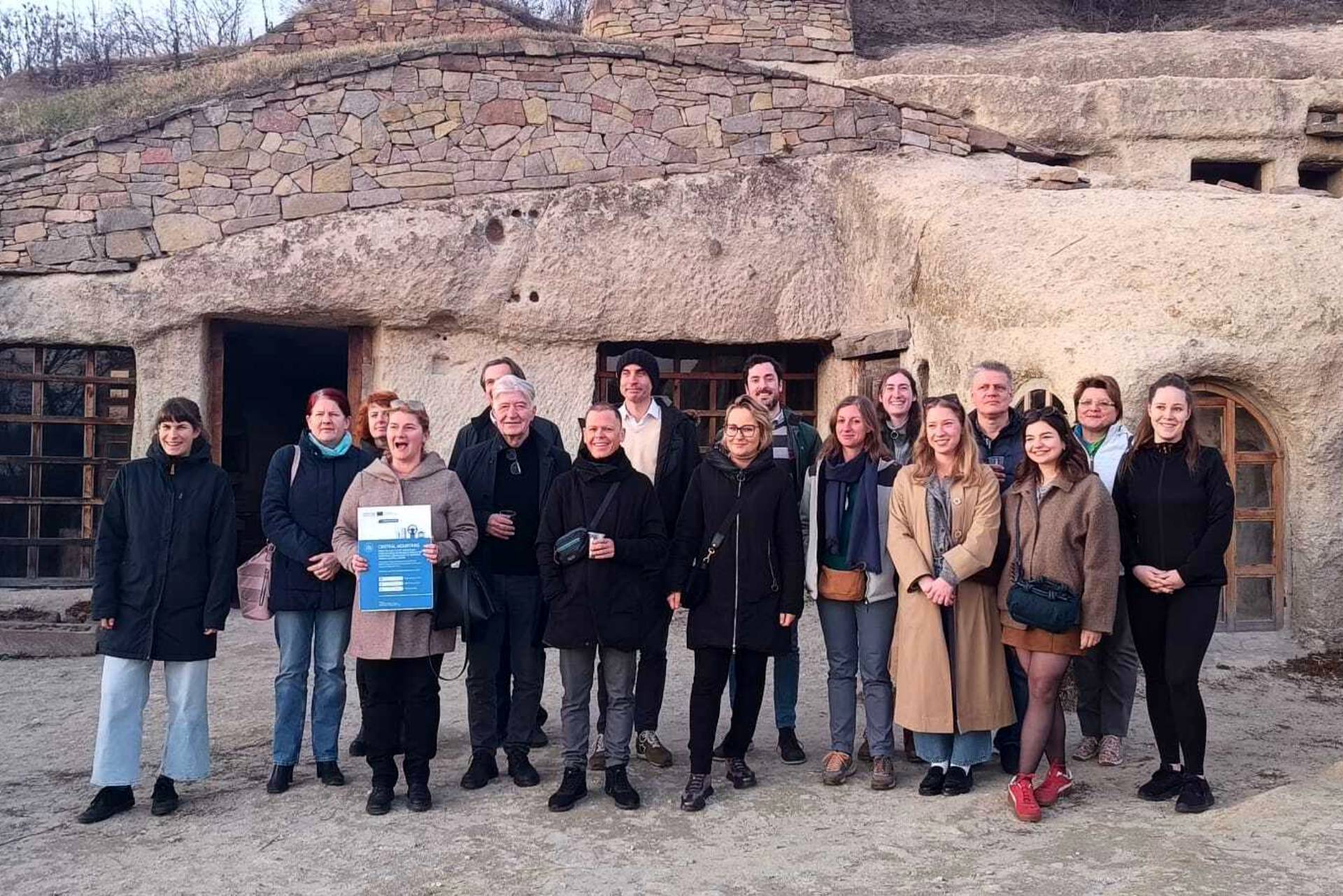
The Institute’s goal is to strengthen cooperation among mountain regions by developing innovative and sustainable governance strategies. The recent meeting, held in Noszvaj-Eger (Hungary) on March 5-6, 2025, provided an important opportunity for discussion with the partners to define next steps.
Collaboration with a diverse network of partners, each with unique skills and perspectives, enriches the project. Among the participants:
- Rzeszów County (Poland): lead institution, represents an important administrative area in the Carpathian region
- Association of the Carpathian Euroregion (Poland): promotes cross-border cooperation between the Carpathian regions
- Association of Towns and Communities of Slovakia (Slovakia): represents Slovak municipalities, facilitating local development
- Carpathian Foundation-Hungary (Hungary): supports sustainable development in Hungary’s mountain regions
- Association of Regional Brands (Czech Republic): enhances regional identities through the promotion of local products and services
- Foundation for Landscape Protection (Poland): concerned with the protection and enhancement of the landscape heritage
- Eurac Research (Italy): a research institute based in Bolzano, specializing in the sustainable development of mountain regions
- EGTC Alpine Pearls Ltd. (Austria): promotes sustainable tourism in Alpine resorts
- CIPRA International Lab (Austria): a laboratory committed to the protection and sustainable development of the Alps
- Brasov County (Romania): administrative area of the Southern Carpathians with a rich cultural and natural heritage
A comparison to improve development strategies
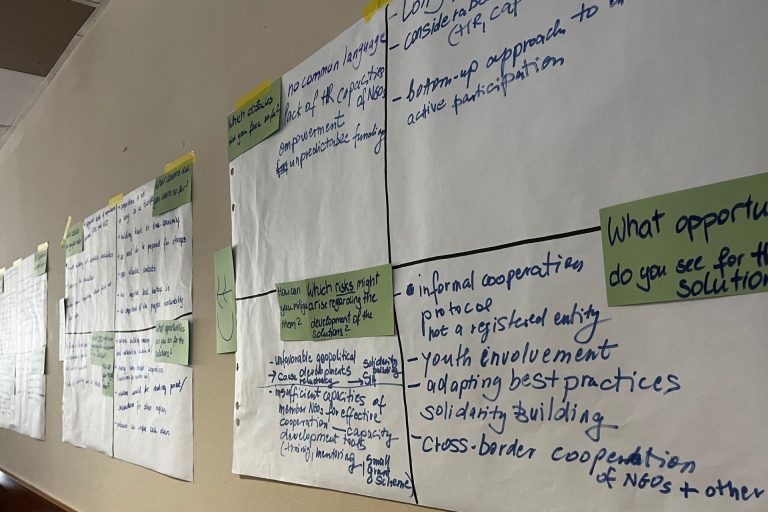
During the meeting, the partners reviewed the progress of activities and discussed some key issues for the success of the project, including:- The involvement of local stakeholders to ensure the applicability and sustainability of solutions;
- Dissemination of results to encourage the sharing of best practices among mountain regions;
- monitoring and evaluation of impacts, to measure actual effects and improve adopted strategies.
Pilot actions for cooperation in mountain areas
Six pilot actions are being developed as part of the project to test new governance strategies, coordinated by the International Sociology Institute of Gorizia under Work Package 2 (WP2):- Designing and testing a new Carpathian Sustainable Tourism Platform (CSTP) cooperation system.: Creating a platform to improve the management and promotion of sustainable tourism in the Carpathian region.
- Piloting a renewed governance structure of the Alpine Pearls EGTC.: reorganization of the European Grouping of Territorial Cooperation Alpine Pearls to improve the management of sustainable tourism in the Alps.
- Improved structure for cooperation of civil society organizations (CSOs) from the Carpathian region.: strengthening the role of local organizations for participatory and sustainable governance in mountainous areas.
- Strategy and operational model for the Cross-Border Functional Areas (CBFAs): defining common strategies to improve collaboration between cross-border territories in mountainous areas.
- CBFAs goes digital – developing mobile application for Cross-Border Functional Areas in Carpathians: creating digital tools to facilitate access to services and improve connectivity between mountain communities.
- Joint branding in CBFAs for strengthening cooperation of rural SMEs and regional products producers.: promoting a common identity to enhance regional products and support local economies.
Next steps for more effective action
Some operational priorities emerged from the meeting:- Strengthen coordination among partners, ensuring a shared approach and more efficient management of activities.
- Continue to collect data and evaluate the effects of our actions, to refine strategies based on the results obtained.
- Maintain active dialogue and collaboration among the regions involved, a key element in the development of sustainable and innovative governance policies.
Addressing challenges with concrete solutions
There is no shortage of difficulties, such as the structured involvement of local actors and time management. However, through discussion and joint strategies, the project aims to turn critical issues into opportunities, with the goal of making mountain areas more resilient and connected.An international collaboration for the future of mountain areas
Central Mountains is a model of transnational cooperation that can offer useful tools for the sustainable development of mountain regions. As the final phase of the project approaches, the Institute’s efforts are directed toward collecting results, sharing good practices and creating tools that can be replicated in other contexts. The shared belief is that only through participatory and collaborative work it is possible to develop effective governance models capable of meeting the needs of mountain communities and promoting balanced development. For more information and updates on the project: https://www.interreg-central.eu/projects/central-mountains/