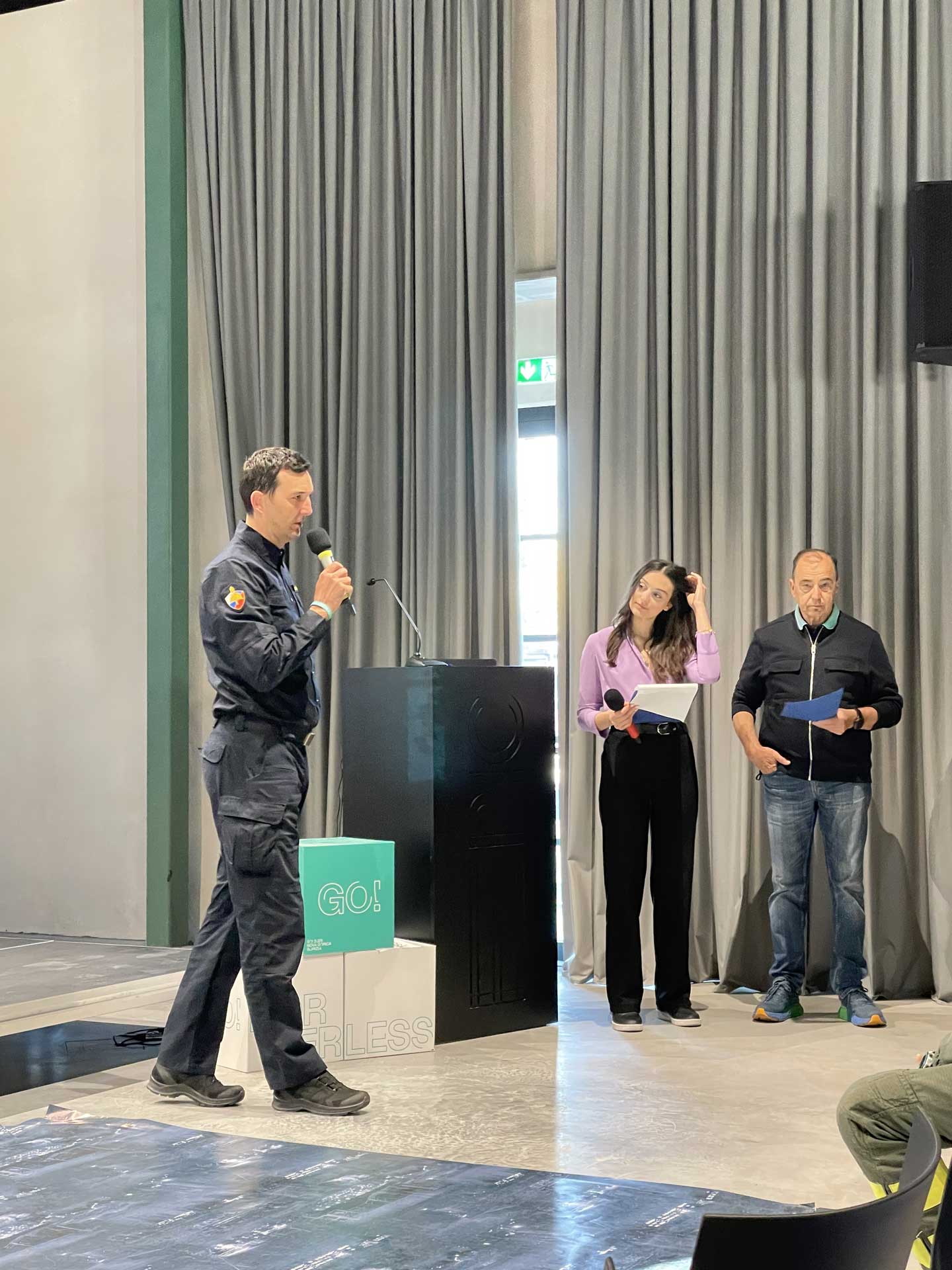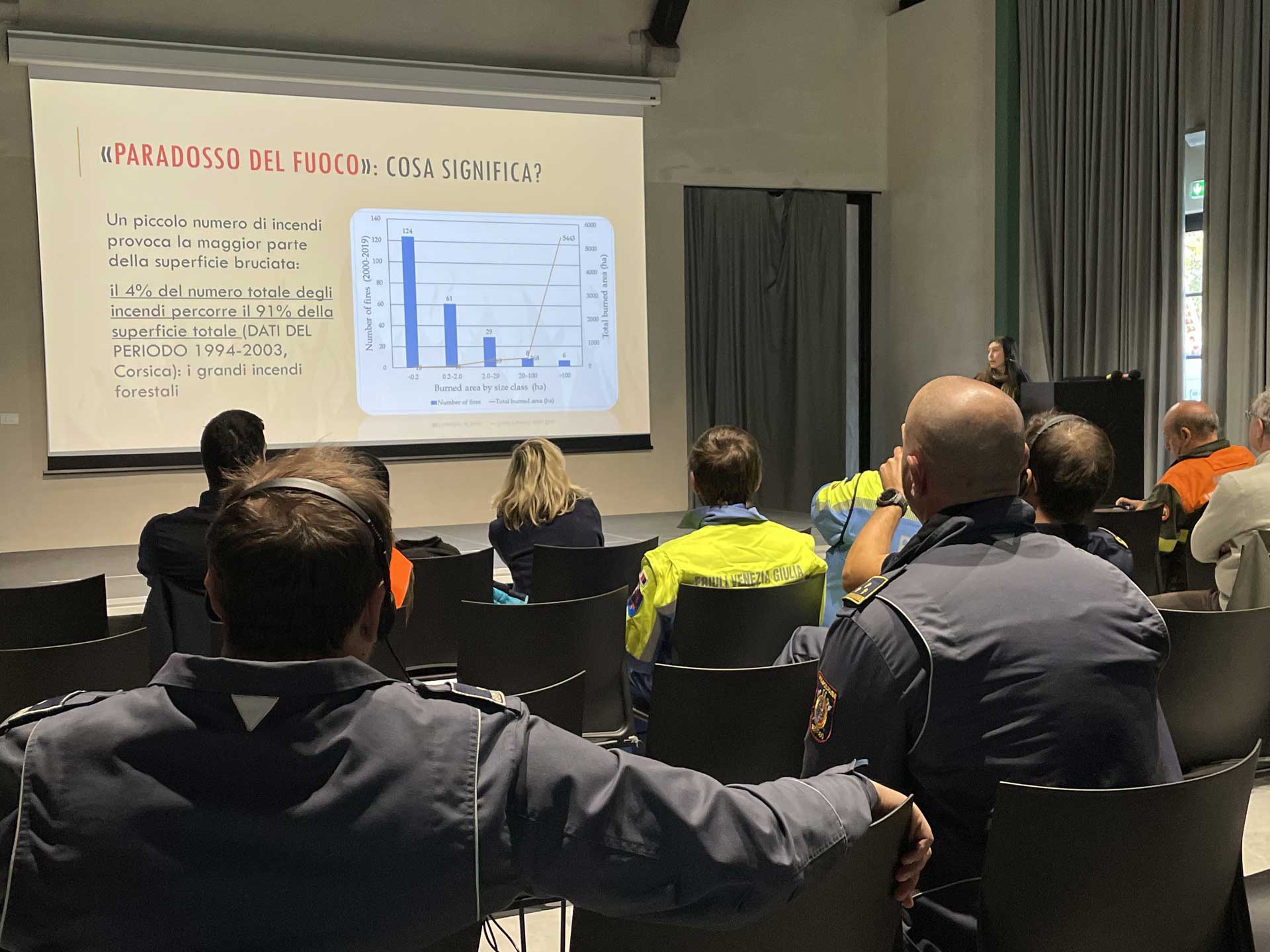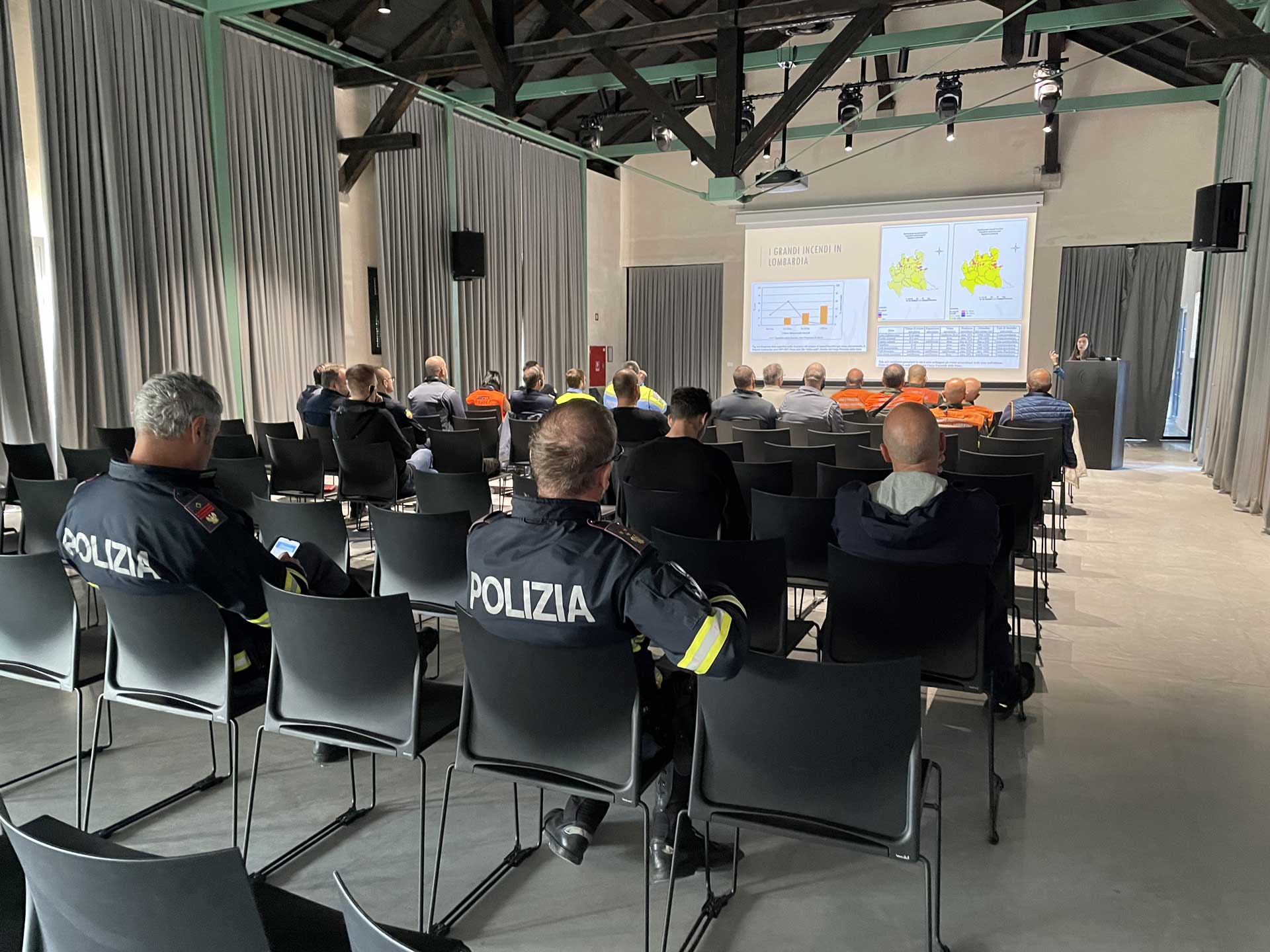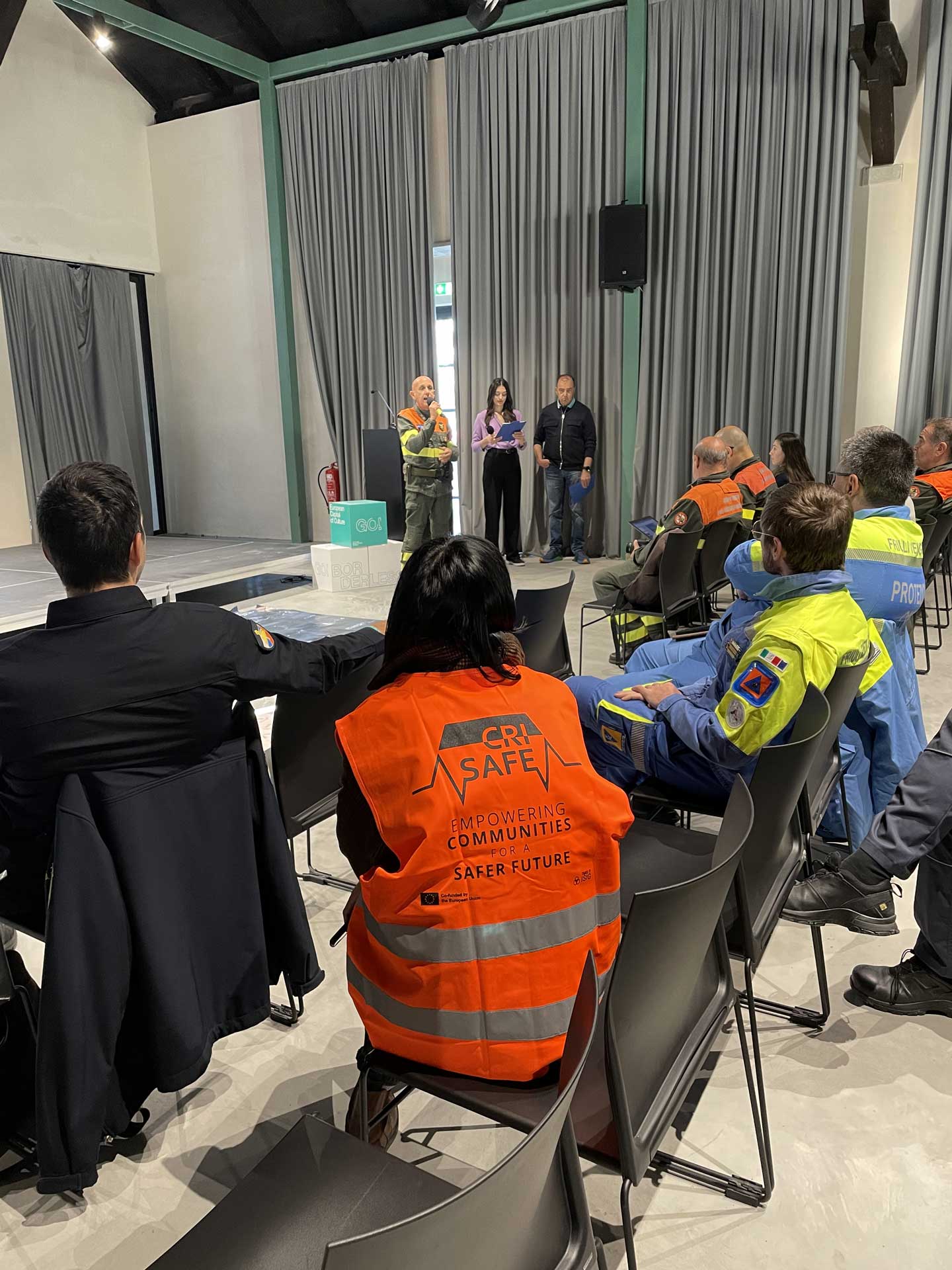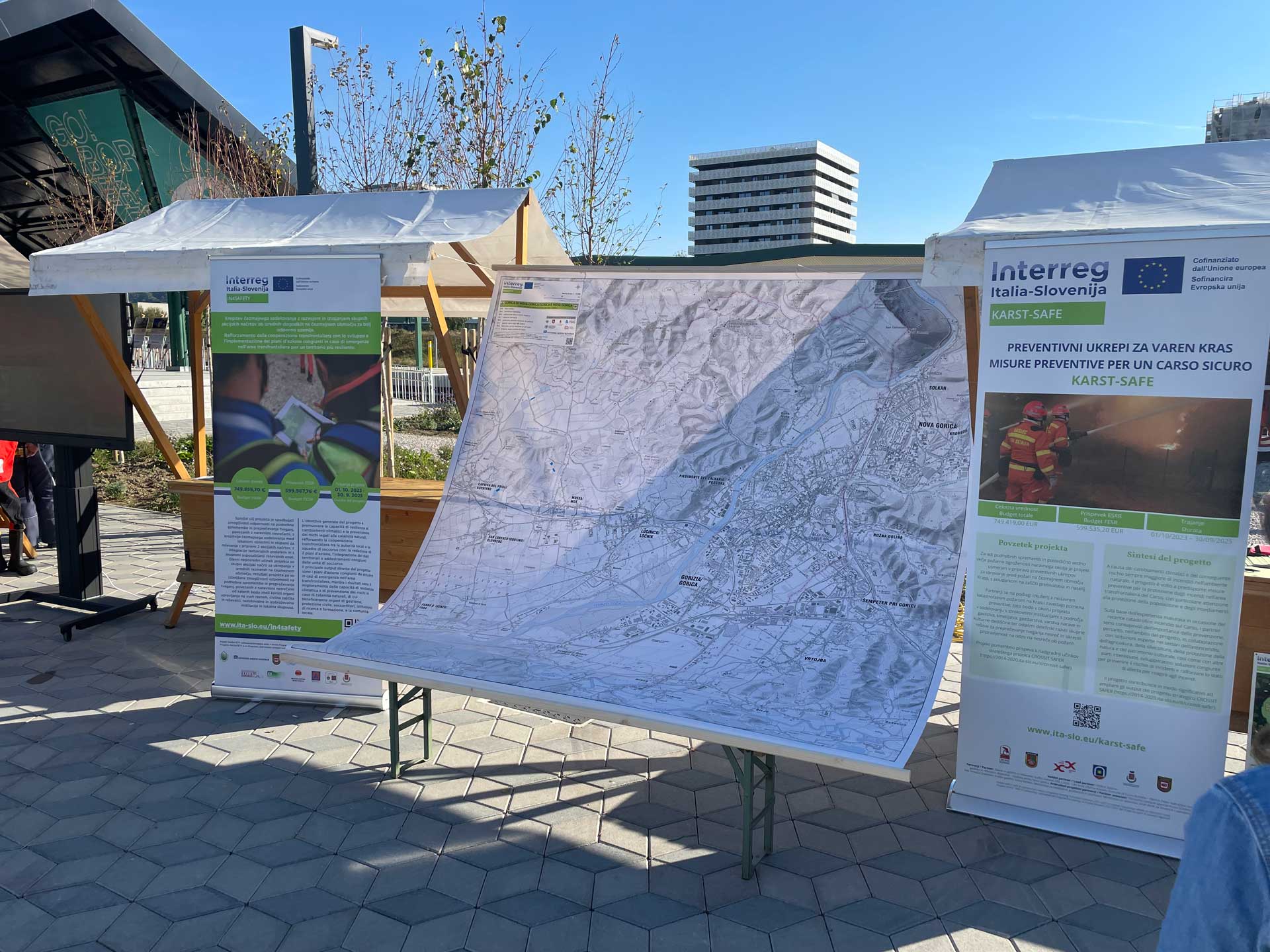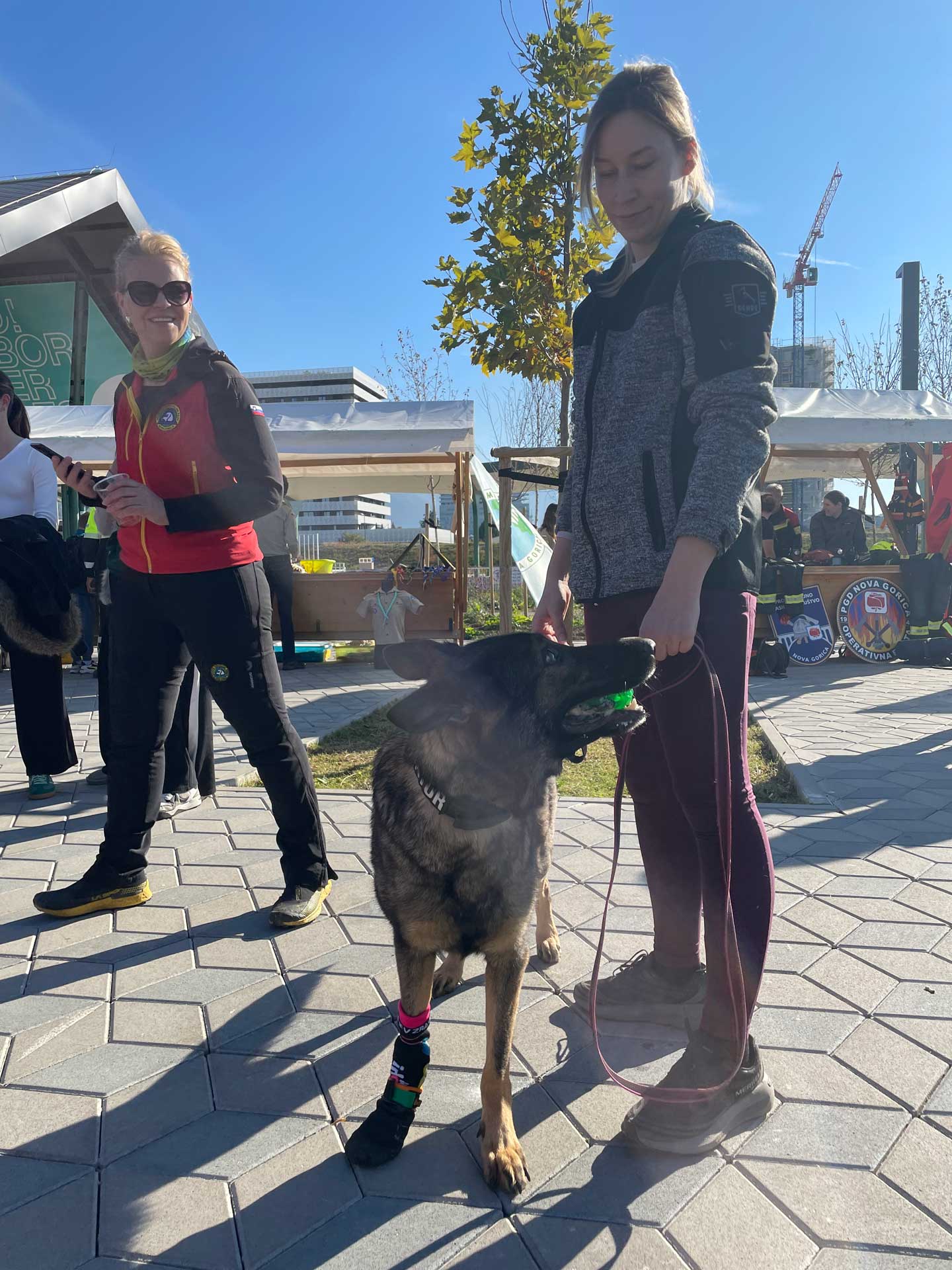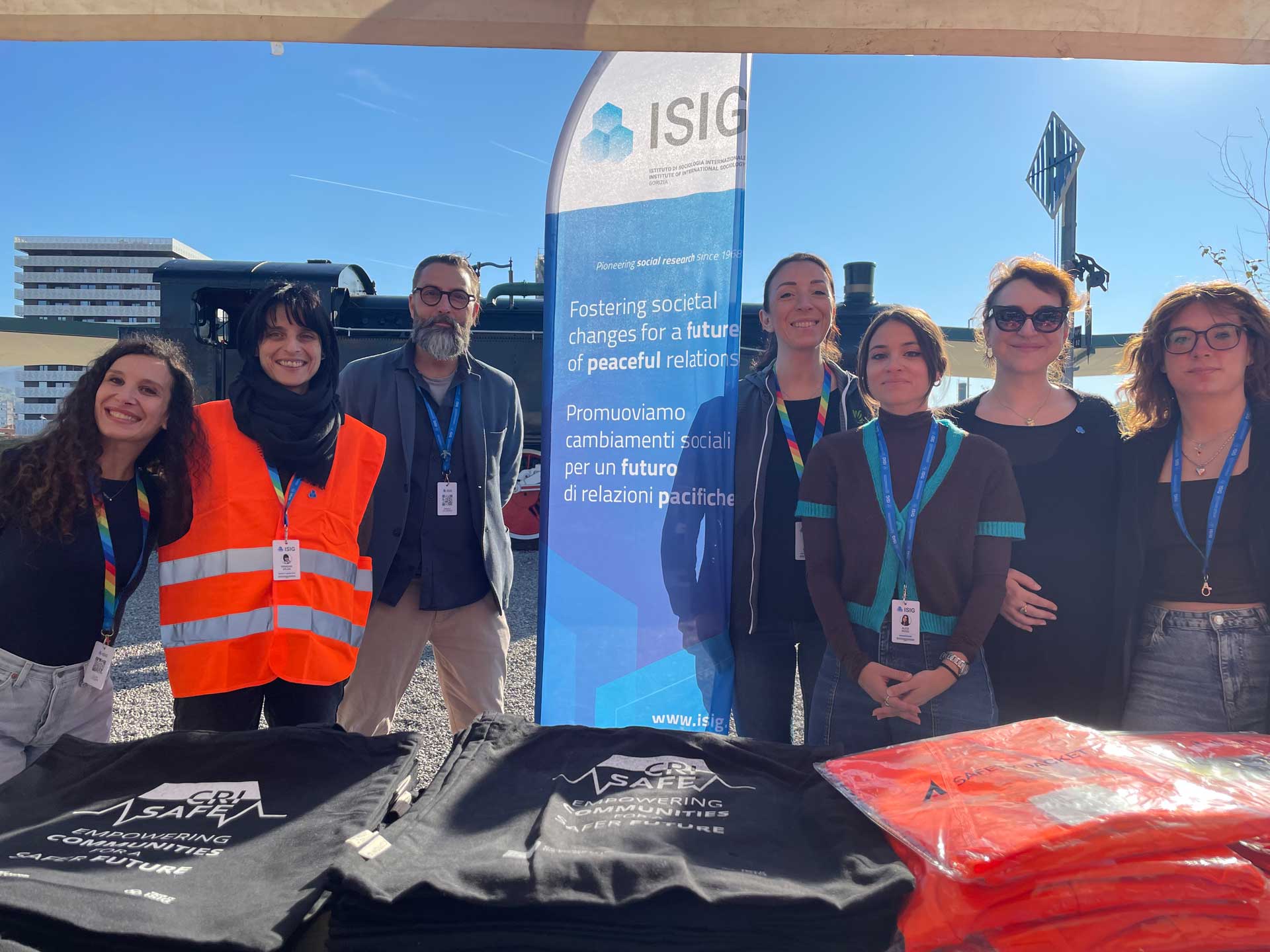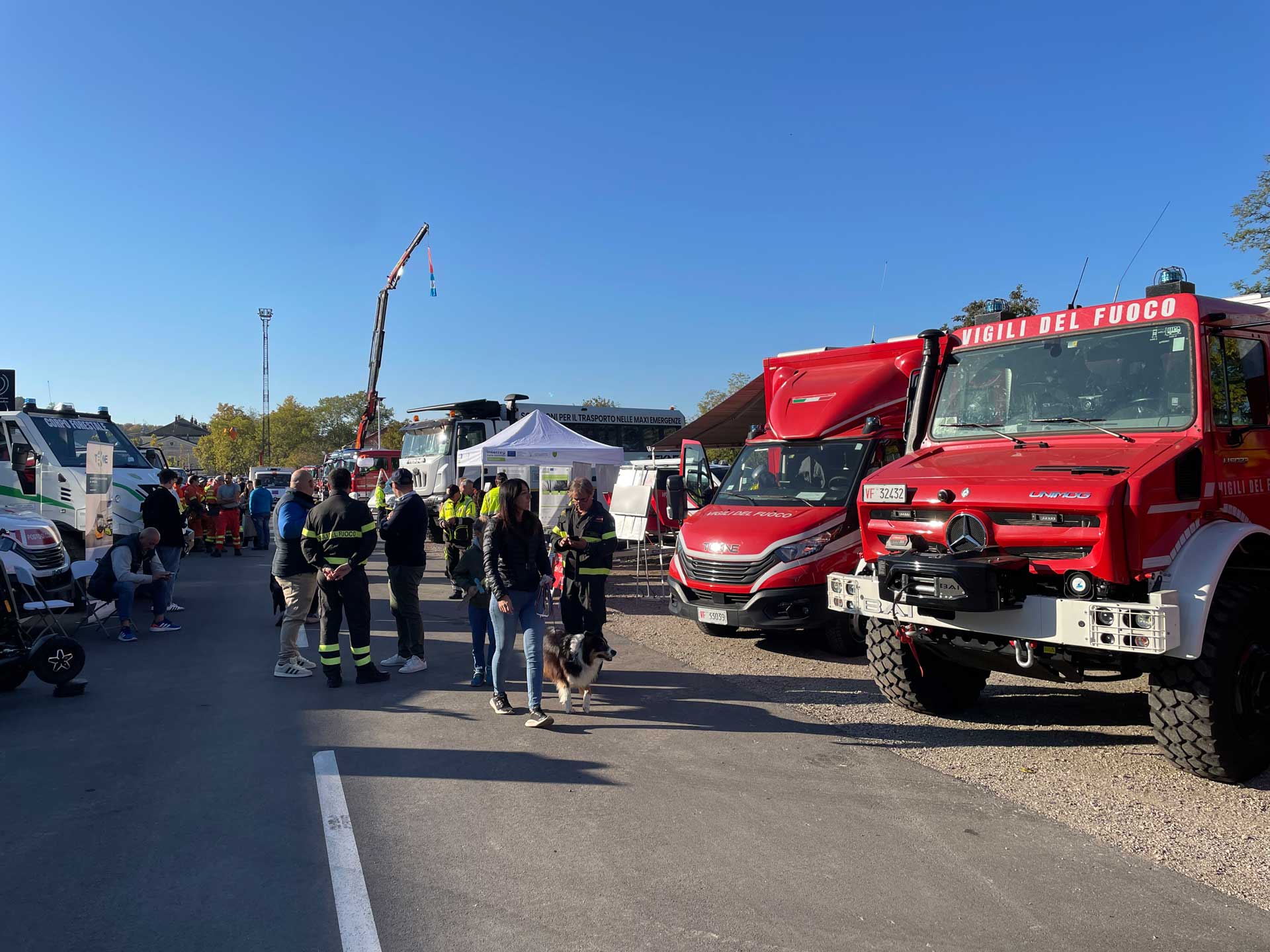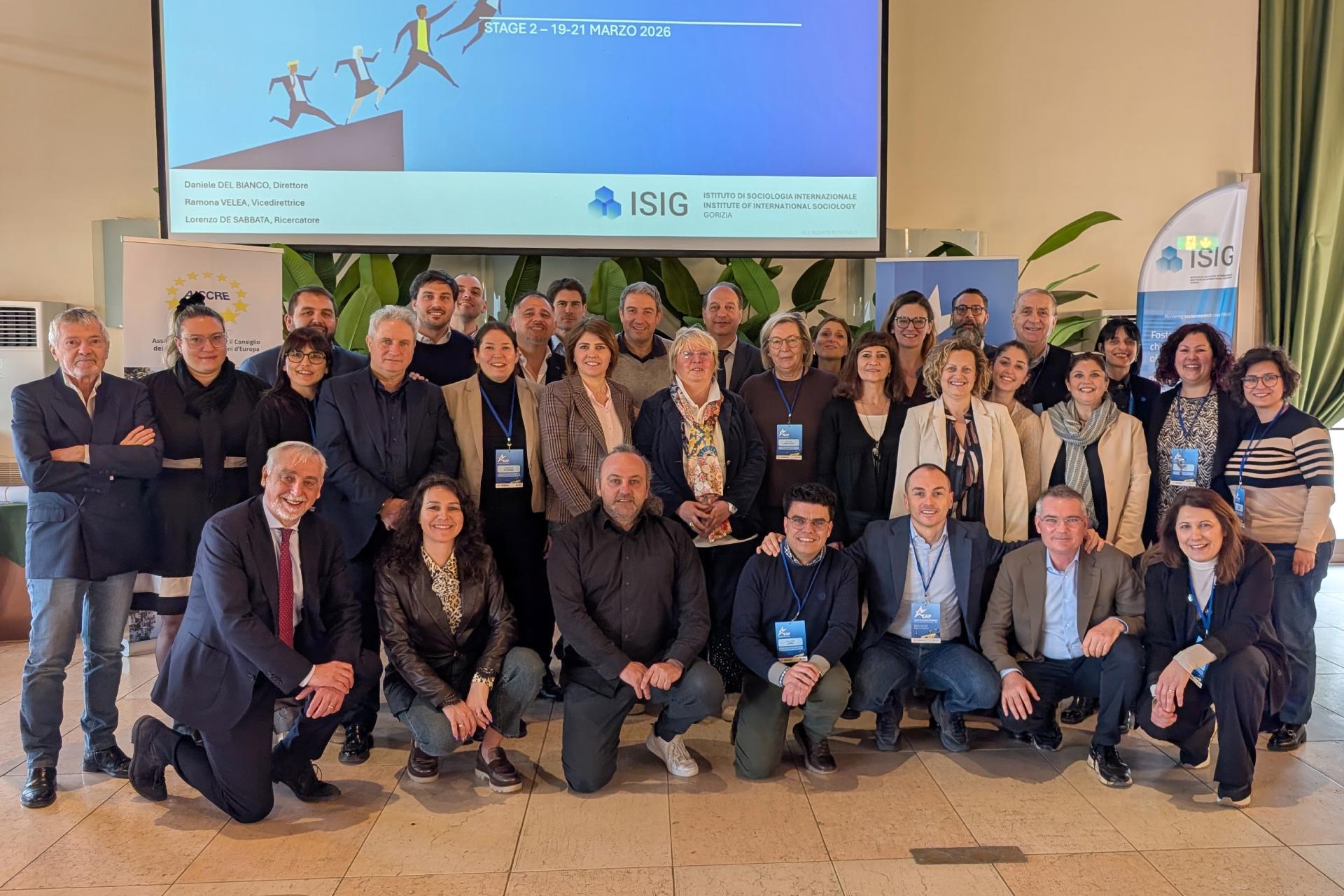
The IN4SAFETY project, which aims to involve citizens, institutions and first responders from Italy and Slovenia to promote disaster risk awareness and prevention, ended with great participation. The event provided an important opportunity for project partners and emergency experts to exchange knowledge, experiences, and best practices.
The two days event was dedicated to meetings, demonstrations and insights, which concretely showed how cross-border collaboration can strengthen prevention, preparedness and resilience of communities in the face of natural hazards and emergencies.
Friday, October 17 – public conference
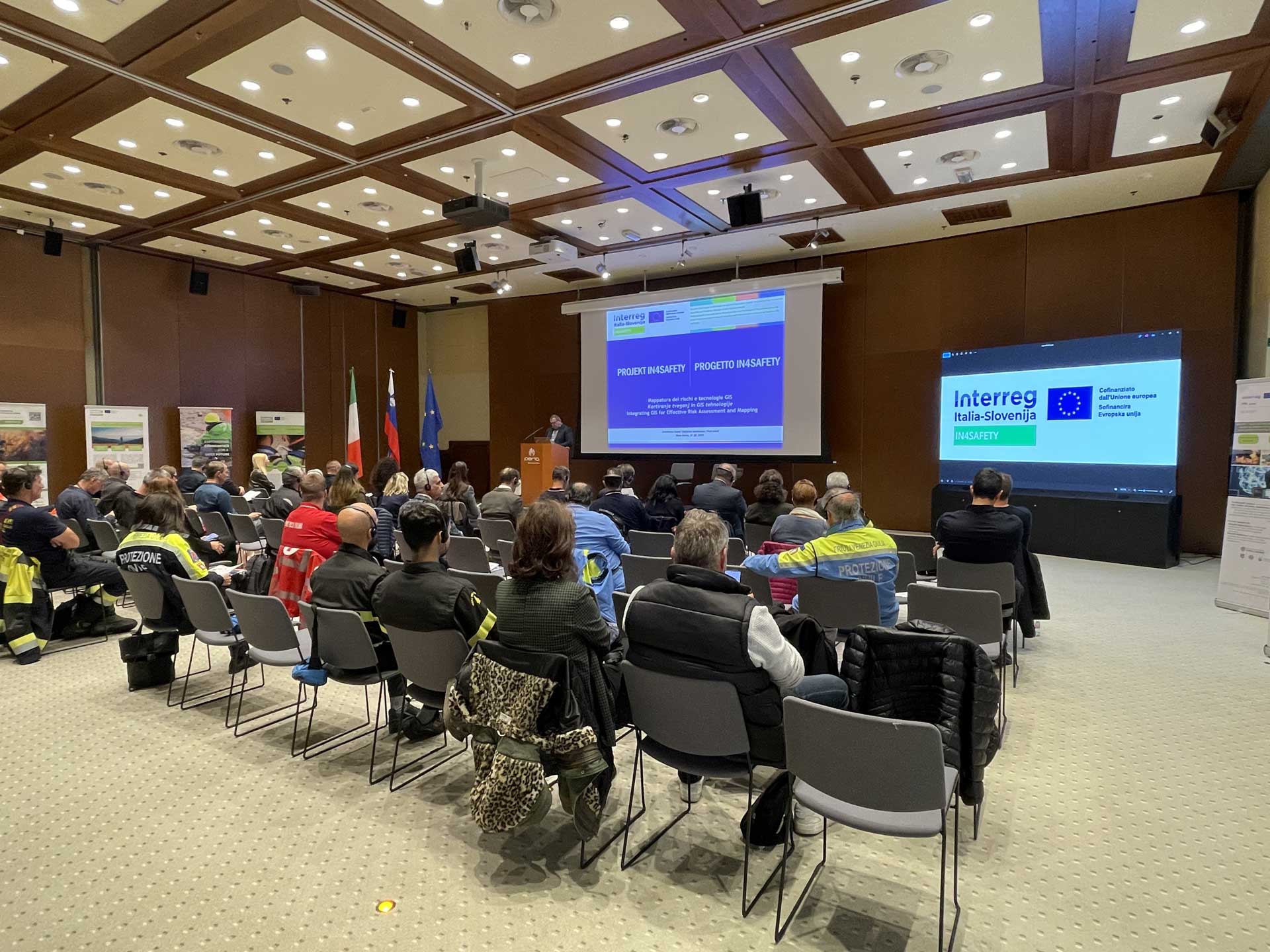
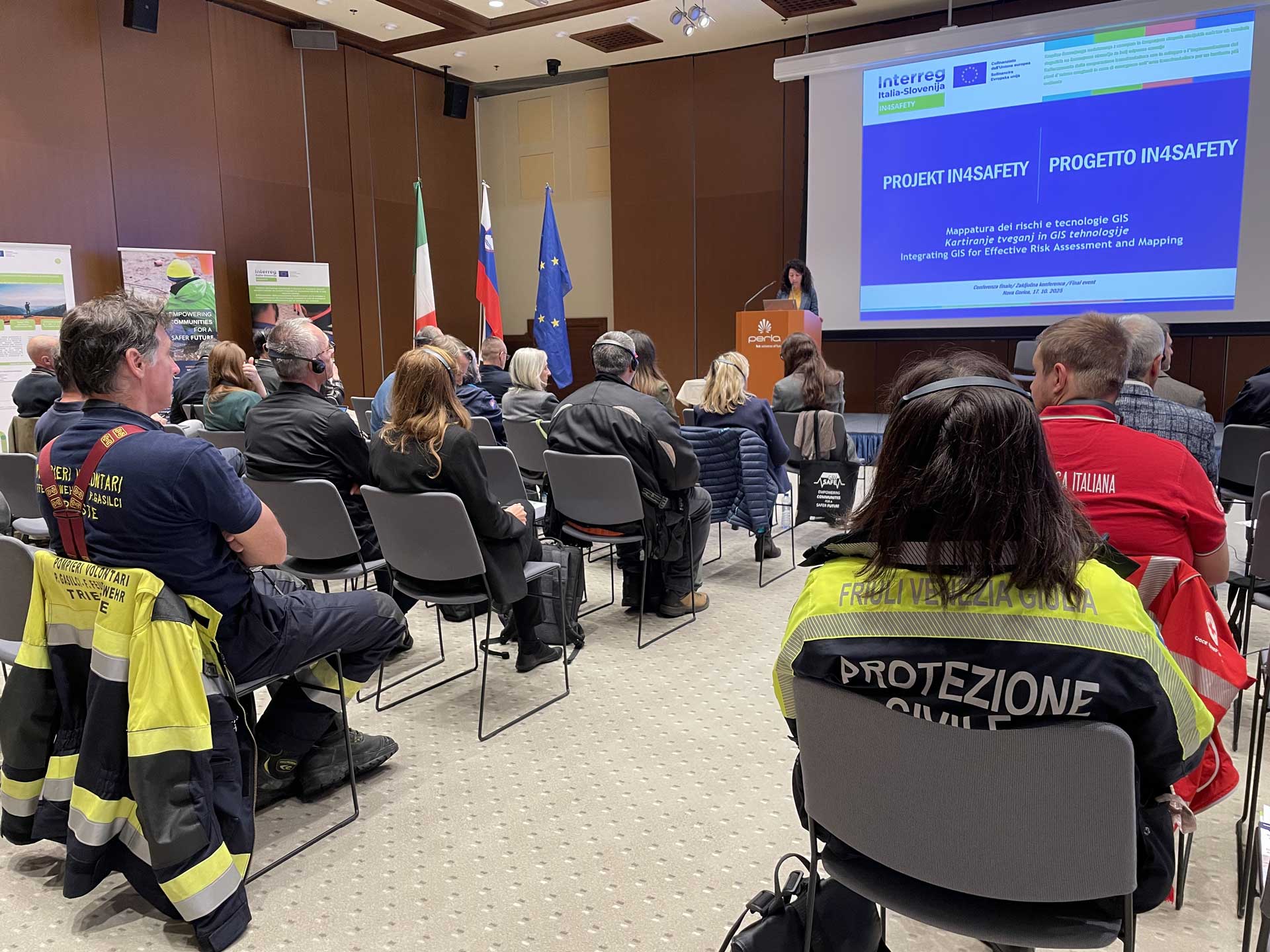
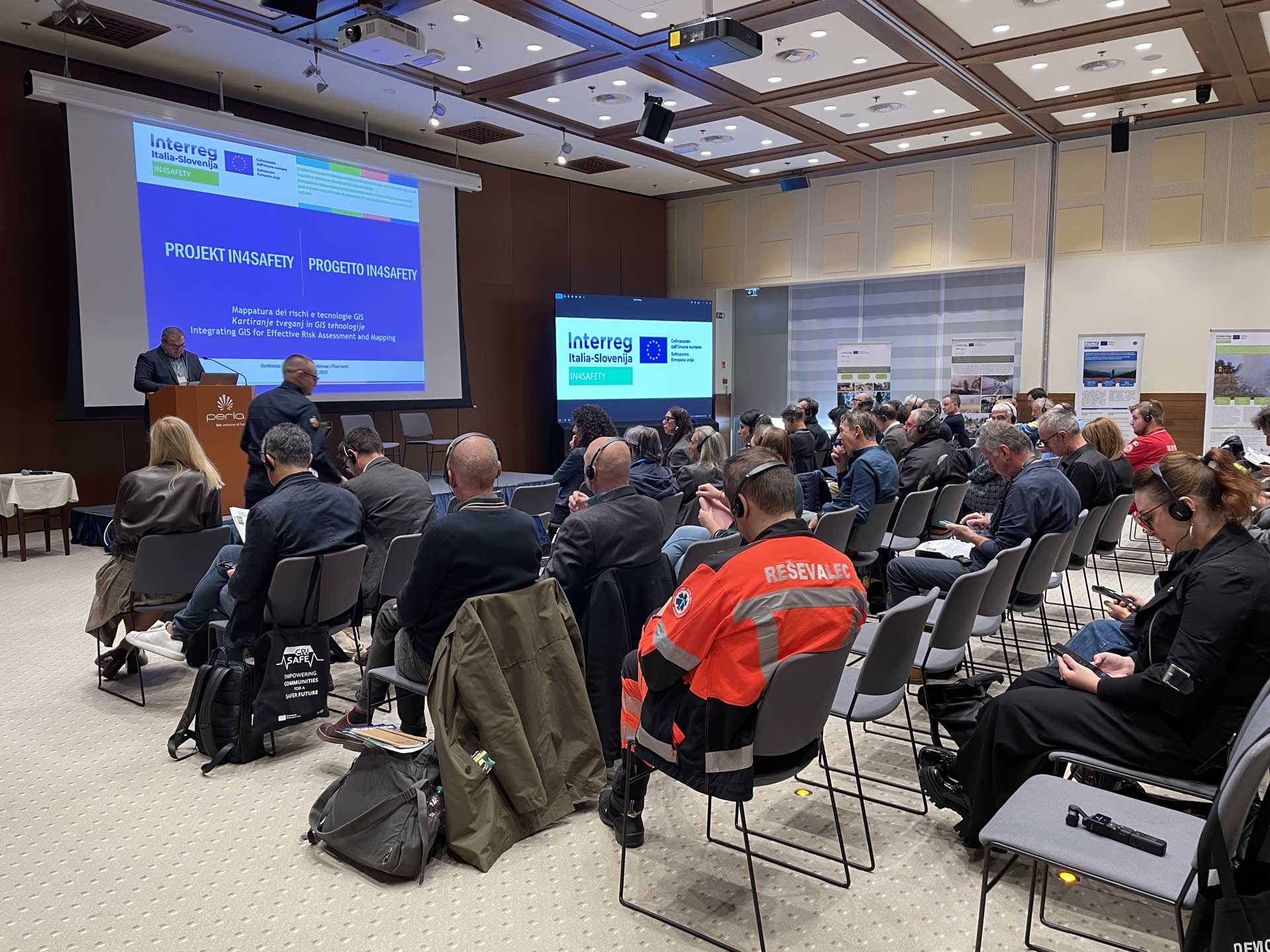
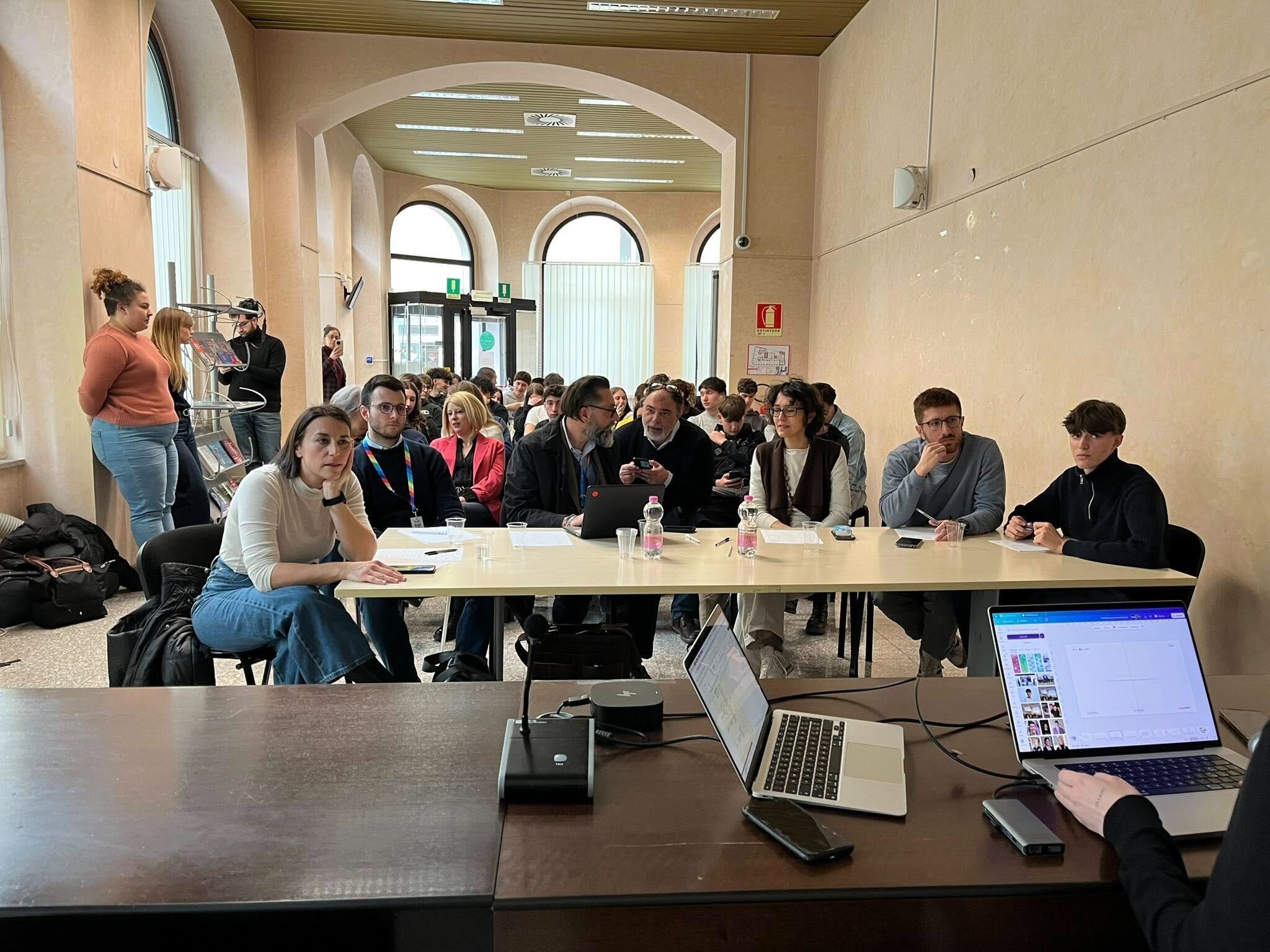
The public conference on Friday, October 17, at the Hotel Perla in Nova Gorica, opened with institutional greetings from Italian and Slovenian authorities, reflecting the strong cross-border collaboration within the IN4SAFETY project.
Janez Furlan, Head of the Department for Economy and Development of the Municipality of Ajdovščina, and Dr. Francesca Sibilla, of the Interreg VI-A Italy-Slovenia Program, delivered the official institutional greetings.
Representatives of the Municipality of Gorizia and Nova Gorica, Friuli Venezia Giulia Regional Civil Protection and Municipal Civil Protection also took part in the greetings, emphasising the value of joint work and the shared desire to strengthen prevention and cooperation between territories.
Participants’ speeches
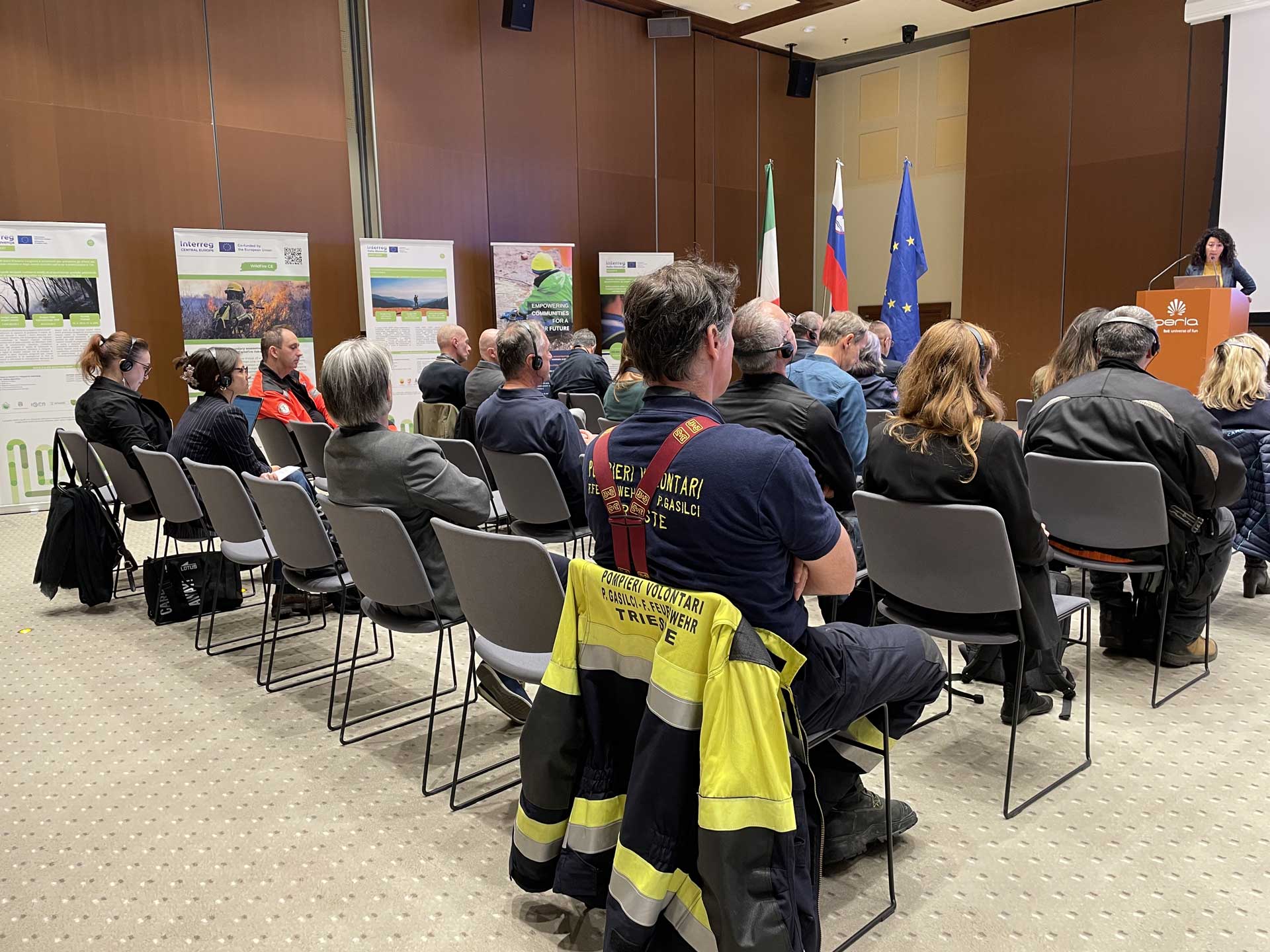
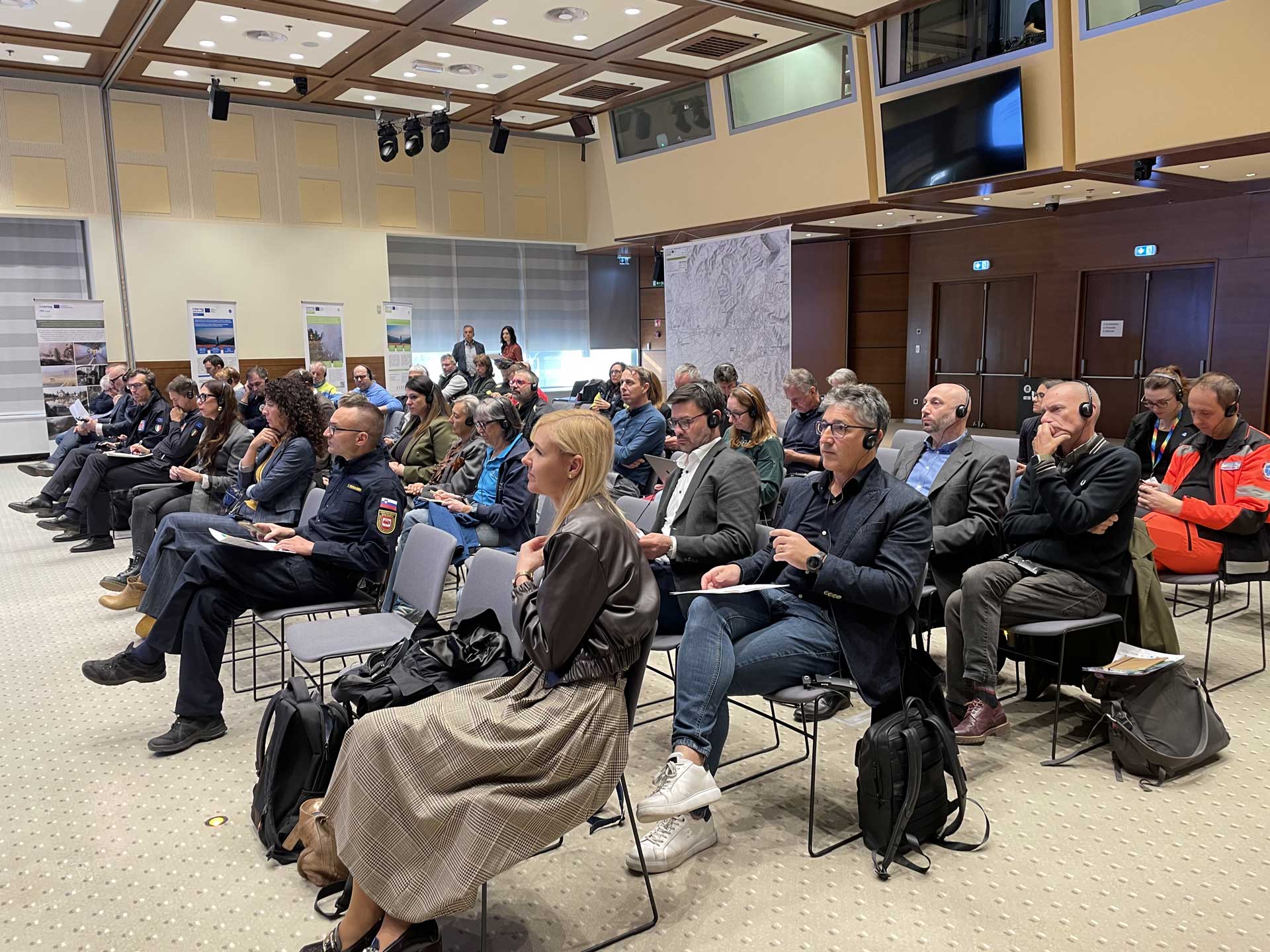
Many project partners and stakeholders attended the conference to discuss of strategies, innovations and cooperation between Italy and Slovenia, with a focus on risk awareness and assessment, technological and operational preparedness to effectively address common challenges.
They shared the results of their activities and presented projects linked to IN4SAFETY. The interventions enriched the overall experience, offering data, tools and best practices that strengthen the network of cooperation between Italy and Slovenia and lay a solid foundation for the future of cross-border cooperation.
In particular, the speeches touched on the following key topics:
– hydrogeological risk management and landslide monitoring in Friuli Venezia Giulia;
– the development of early warning systems for extreme weather and seismic events (CRISAFE and SaferCAST projects);
– strengthening local resilience and cross-border health cooperation (EDURES, ReBUS, SANITAS projects);
– interoperability of emergency monitoring and response systems (CONCORDIA project);
– fire prevention in the Karst region (KARST-SAFE project);
– field experiences and early warning systems based on the involvement of first responders (CROSS ALERT project).
In particular, our Director Daniele Del Bianco ‘s talk “Resilient Communities in a Changing Climate: Tools for Local Empowerment“ explained the KARST ADAPT project’s approach to building resilient communities in the face of climate change. He emphasised how extreme events such as floods, fires, droughts and heat waves have cascading effects on the economy, employment, health and infrastructure, highlighting the need for integrated, multilevel and participatory risk management strategies.
Del Bianco explained how resilience does not just mean going back to the previous situation, but rather “bouncing forward,” turning crises into opportunities for learning and innovation. In this context, reducing local vulnerabilities must be accompanied by shared responsibility and cooperation between institutions and communities.
Special attention was paid to the toolkits used within:
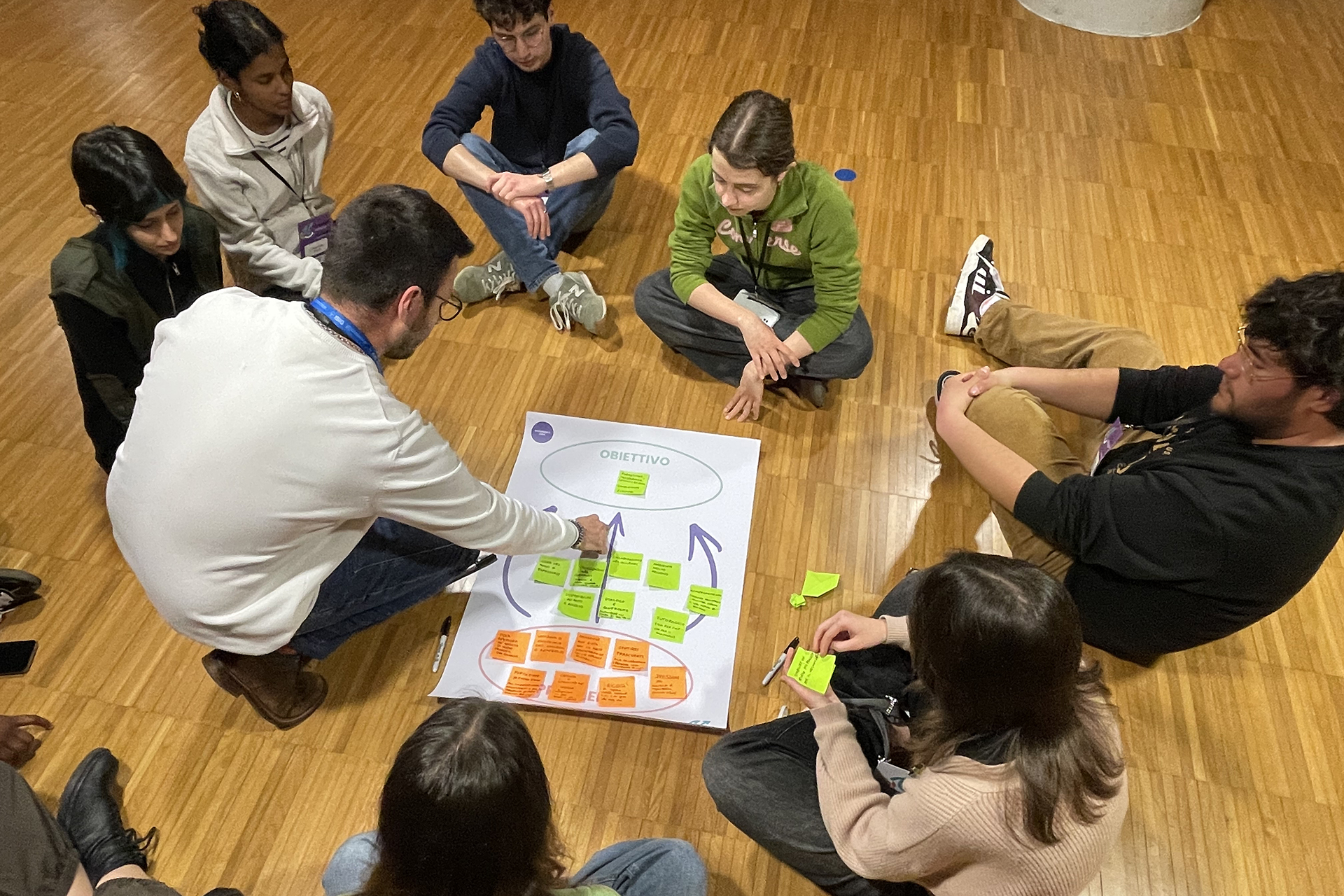
- ReBuS supports local authorities in analysing risks and planning concrete resilience strategies along five dimensions (society, economy, governance, infrastructure, and environment) through a participatory process that translates abstract risks into operational actions.
- EDURES focuses on the education system, ensuring that schools and institutions remain safe, inclusive and adaptive during emergencies, promoting continuity of services, cooperation and strengthening local governance.
The talk highlighted how these tools can make communities more prepared, able to anticipate, absorb and adapt to climate impacts, strengthening local resilience and social cohesion.
The conference concluded with a talk by ISIG researcher Alice Rossi and other project partners, who presented the results GOin4SAFETY, the cross-border exercise organised last June within the IN4SAFETY project that represented an important moment of cooperation and joint in the cross-border area.
Saturday, October 18 – closing event
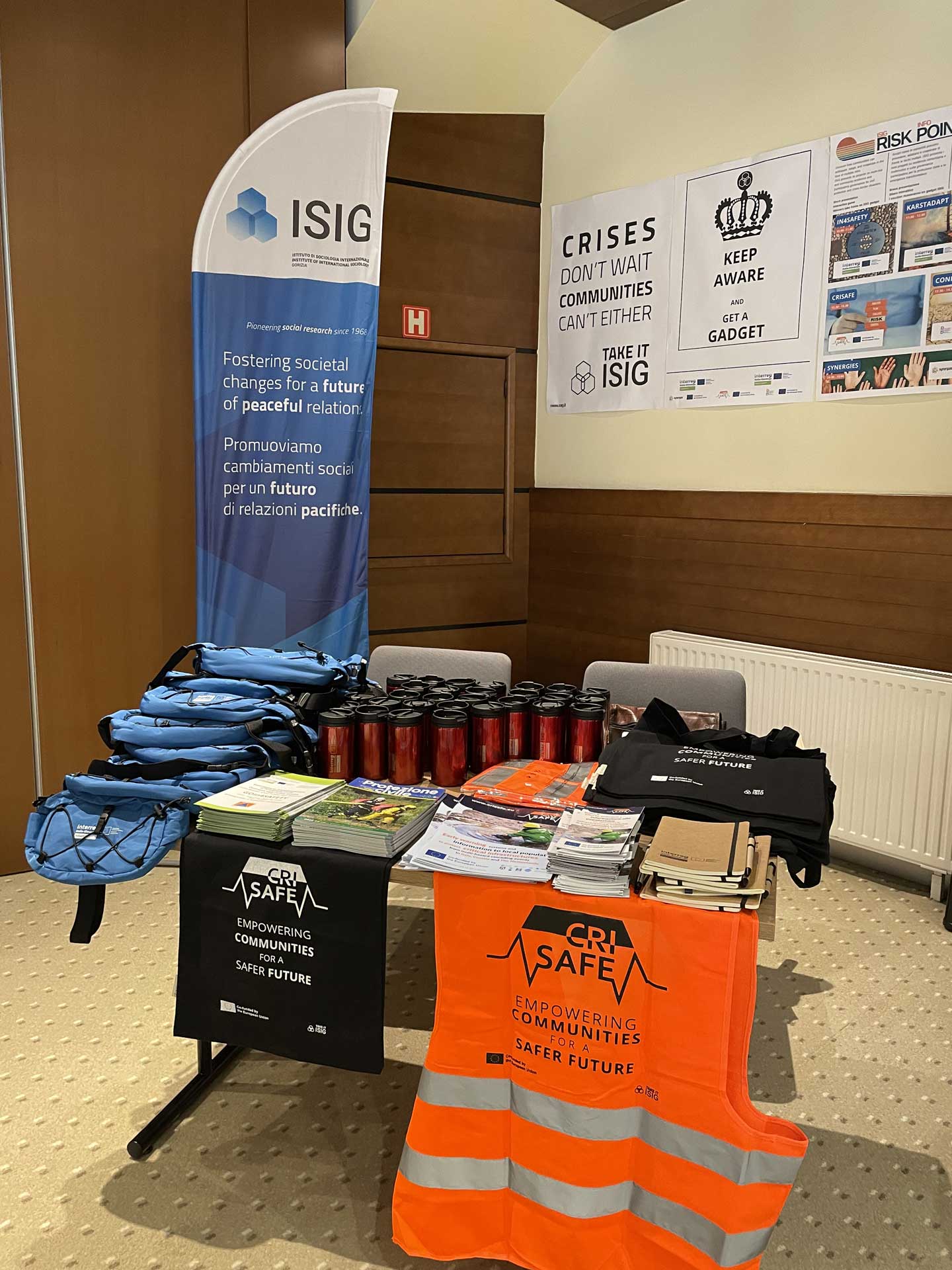
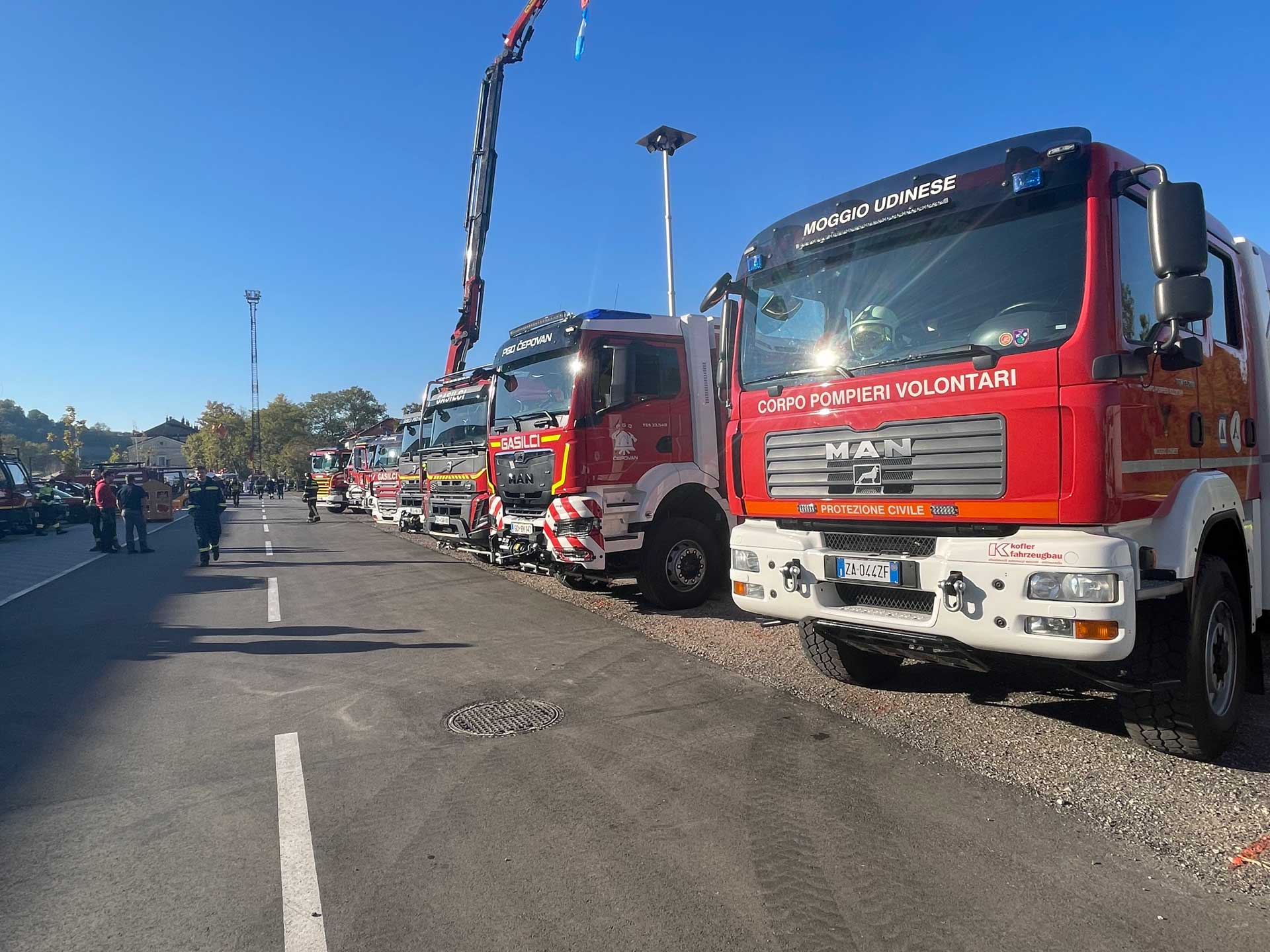
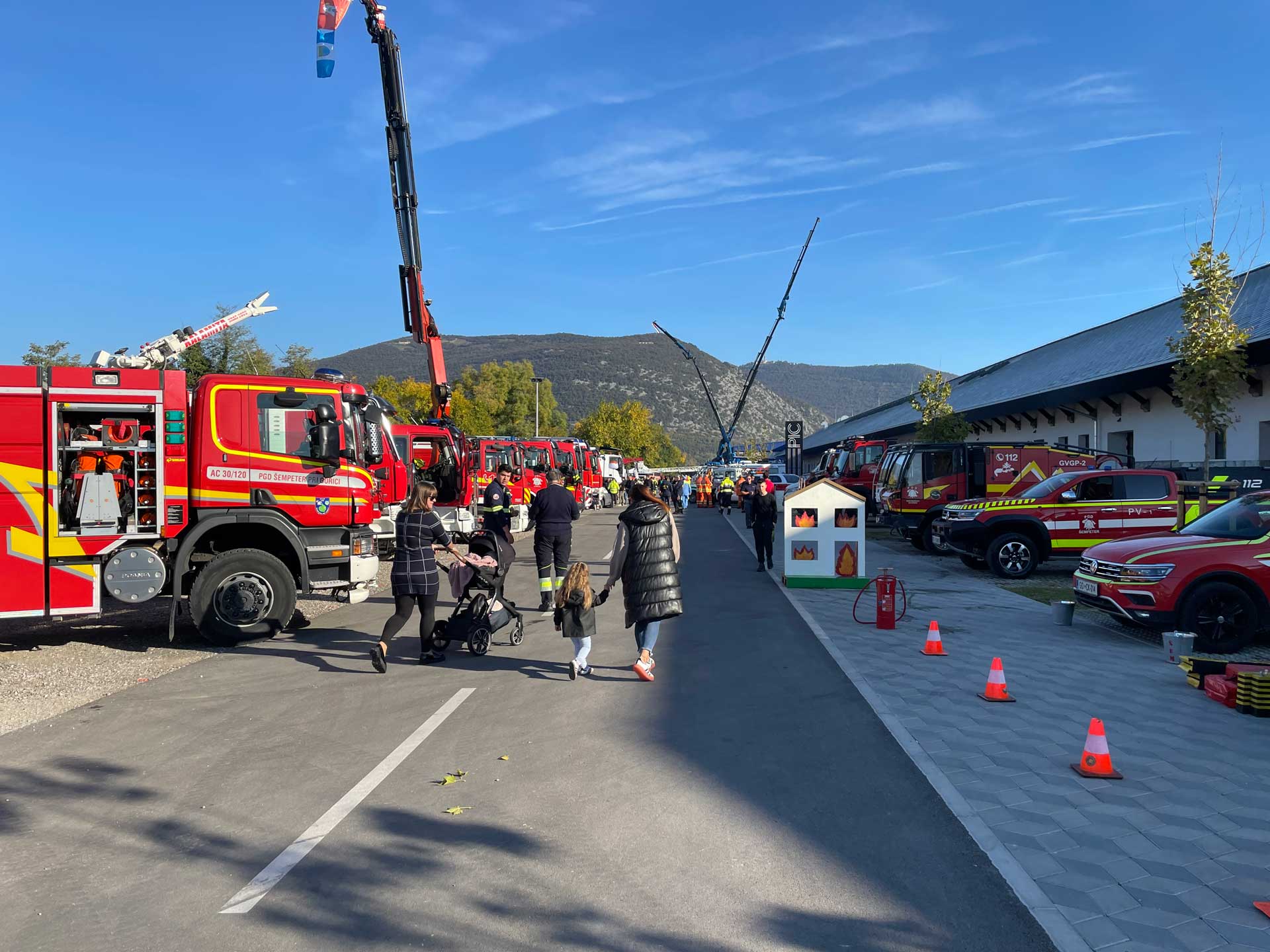
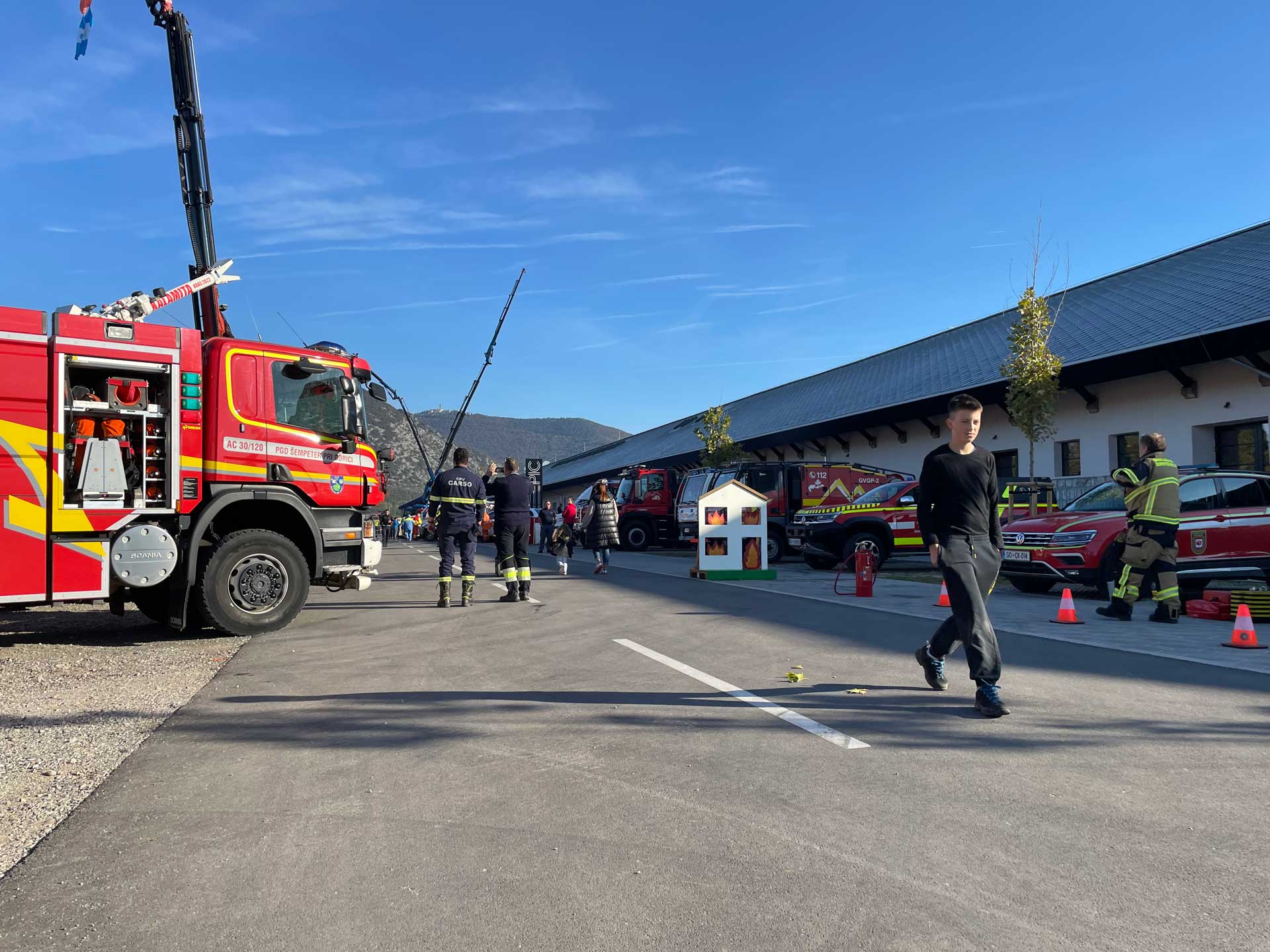
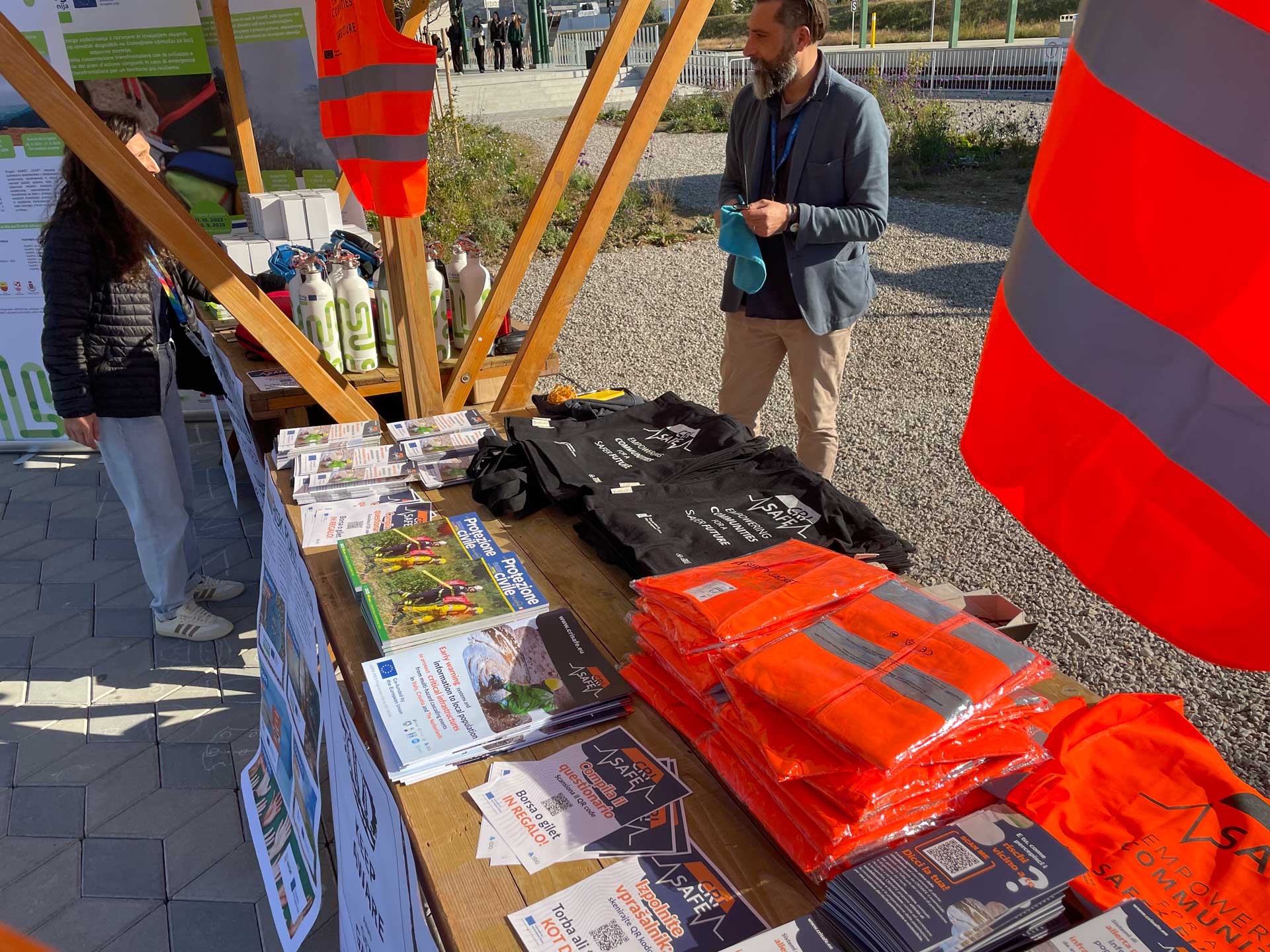
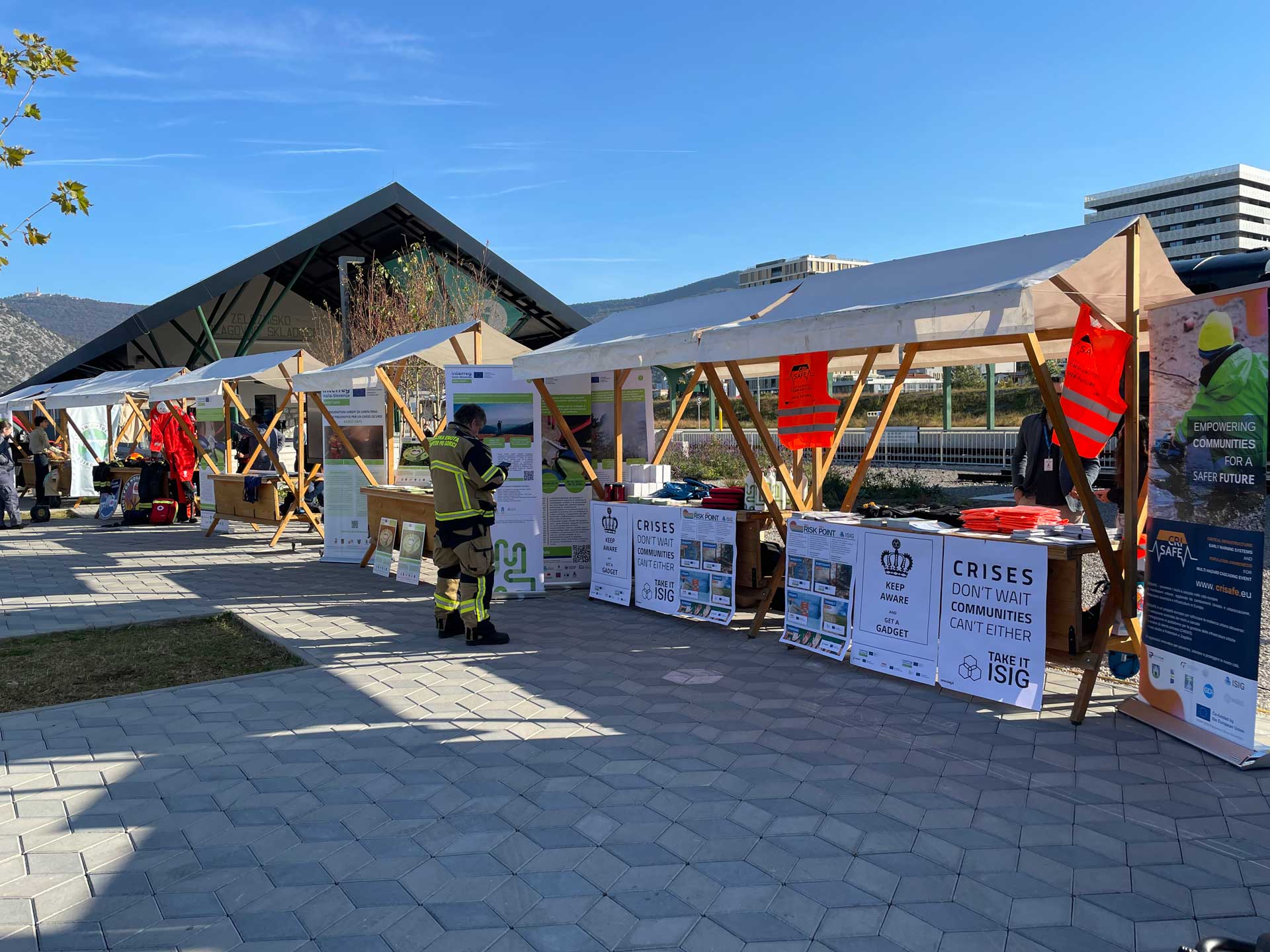
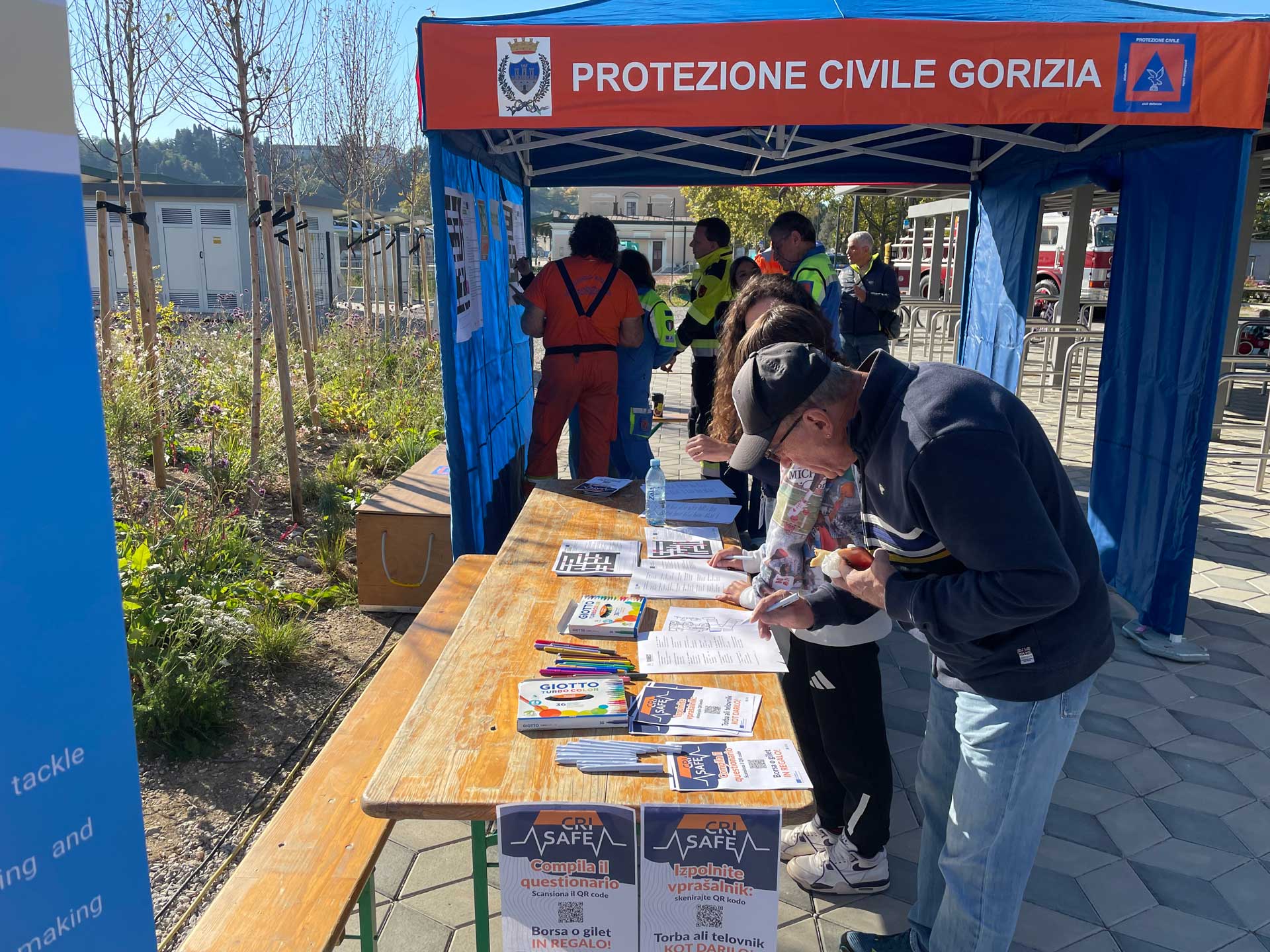
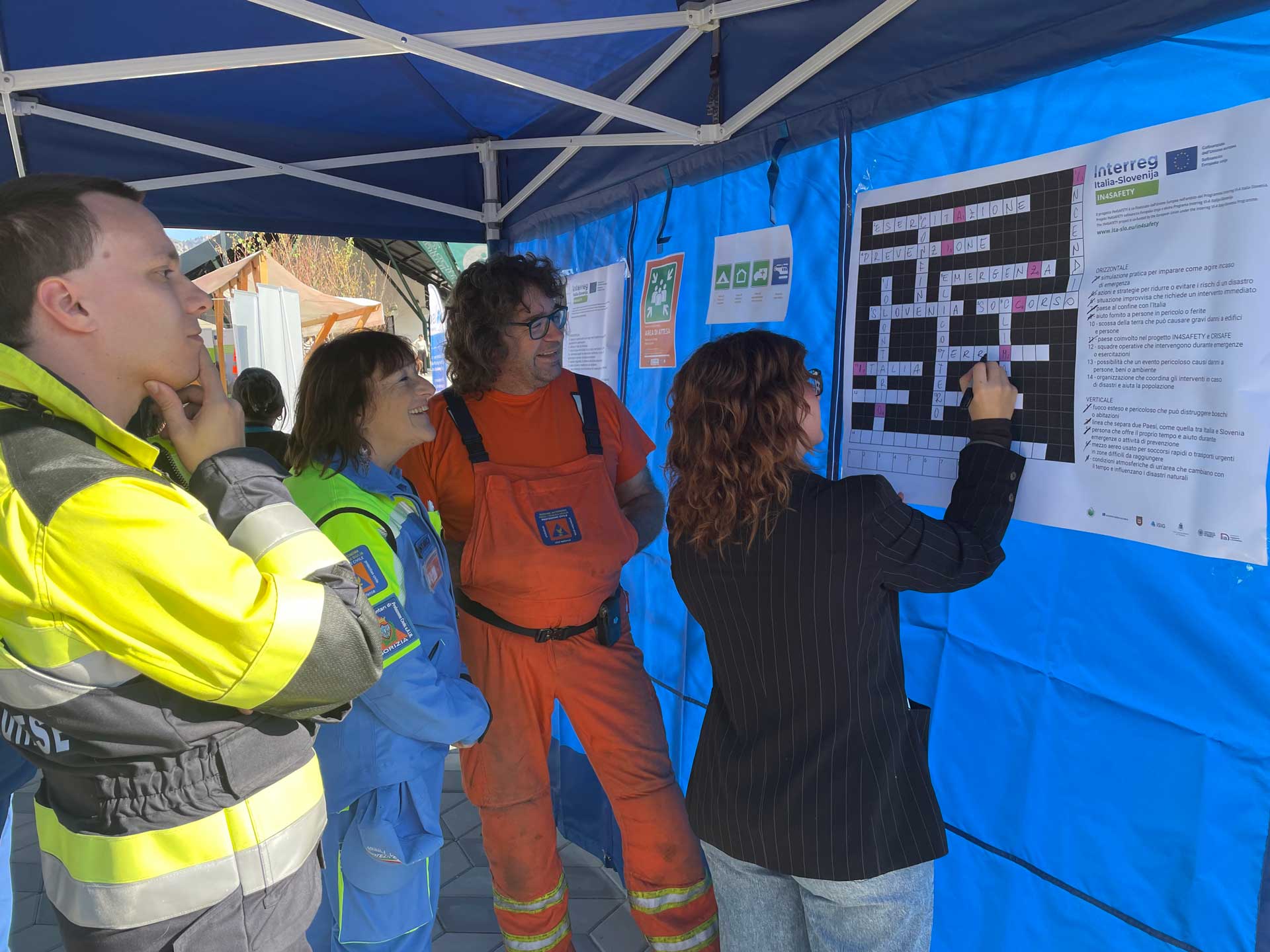
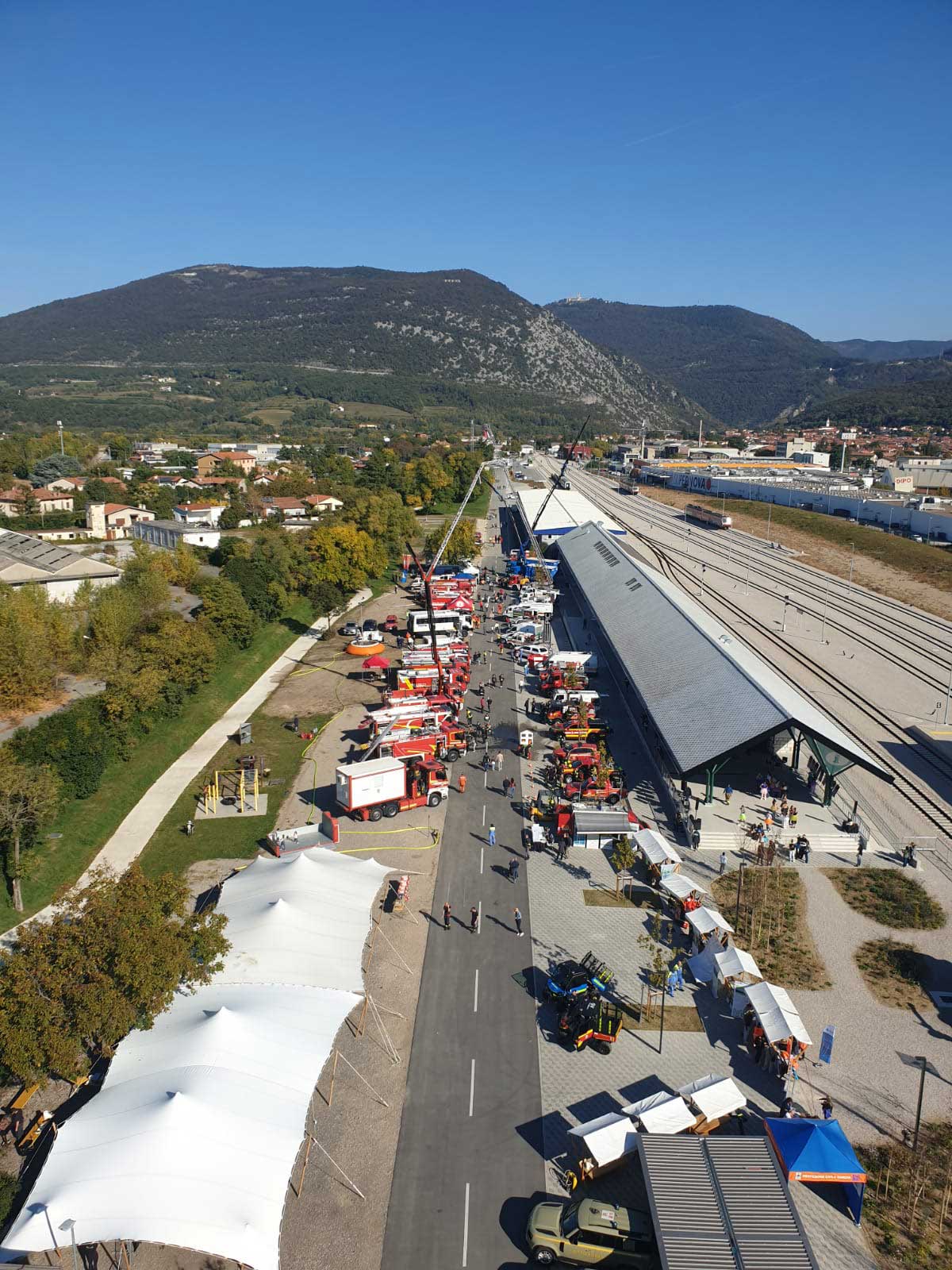
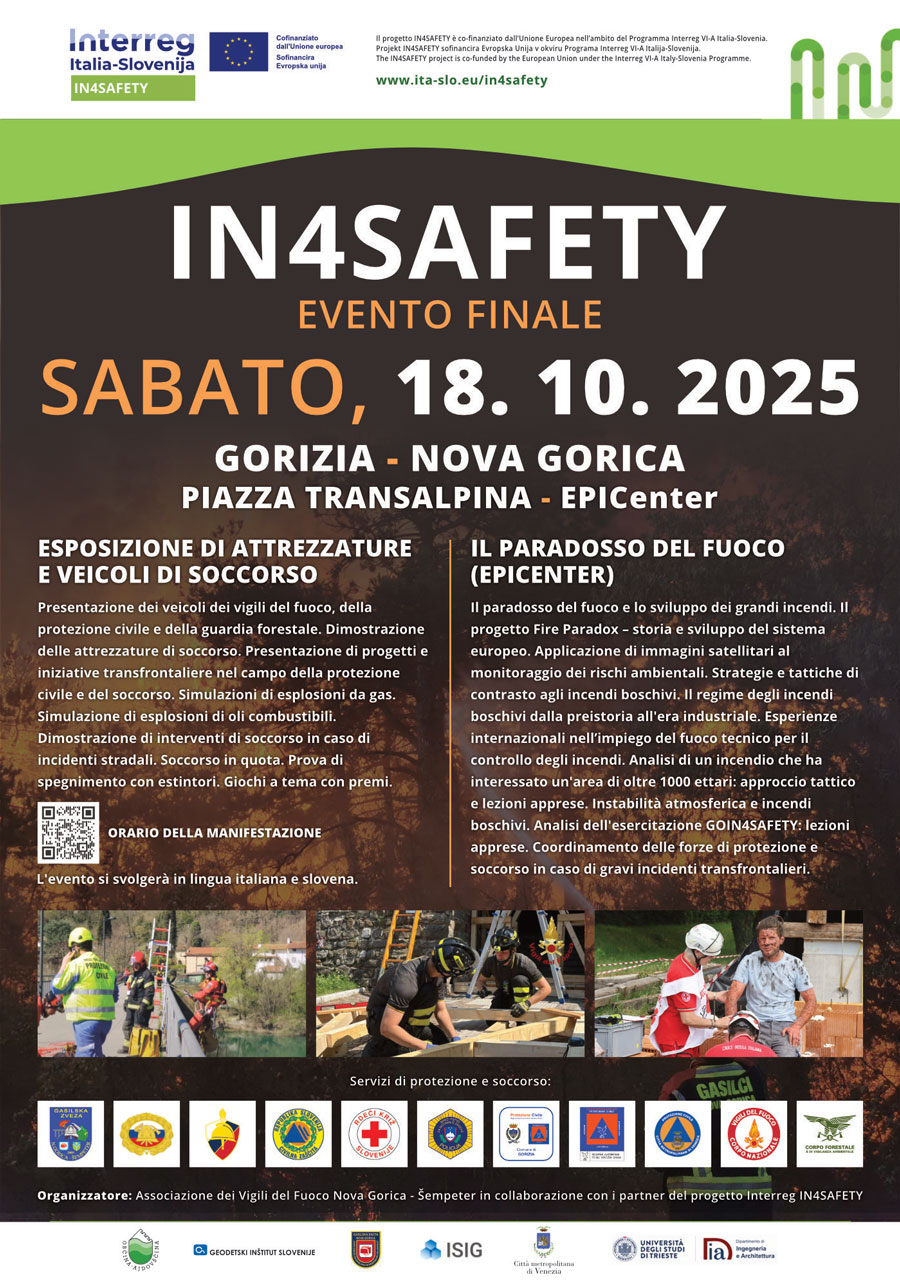
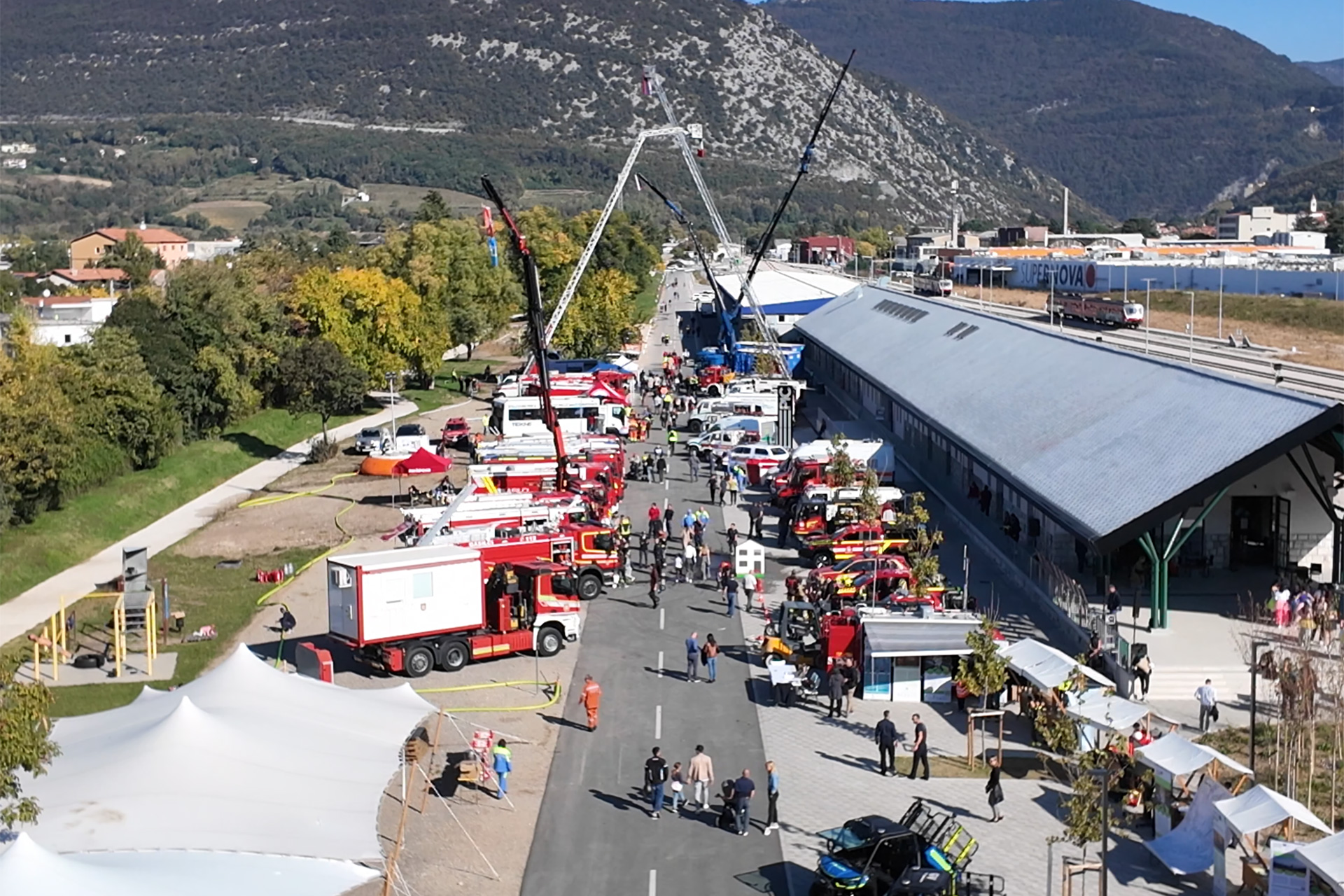
Transalpine Square and EPICenter were transformed into a large Fair dedicated to safety, open to all. The day offered a full program of activities designed to engage adults and children in an educational and participatory experience.
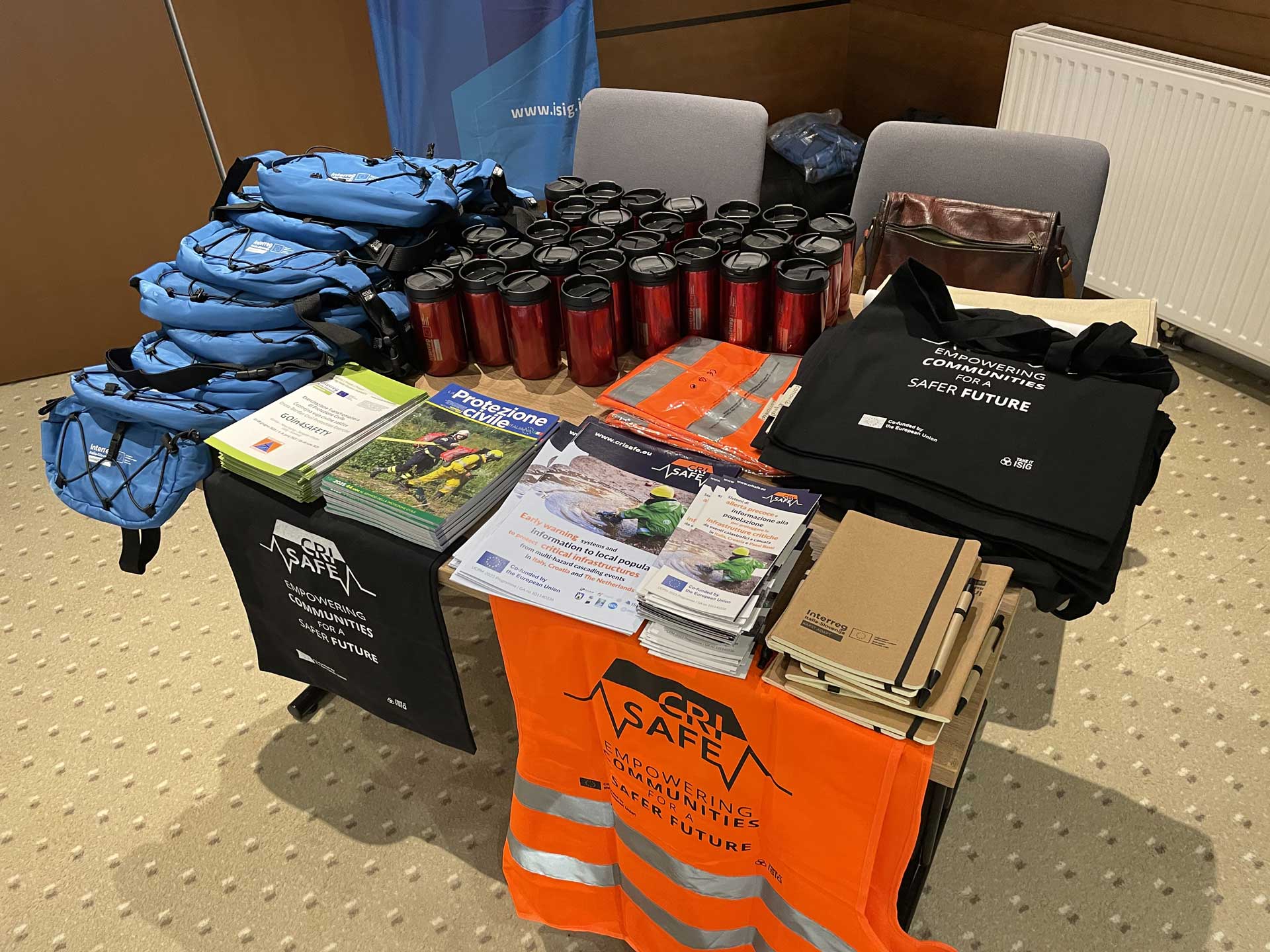
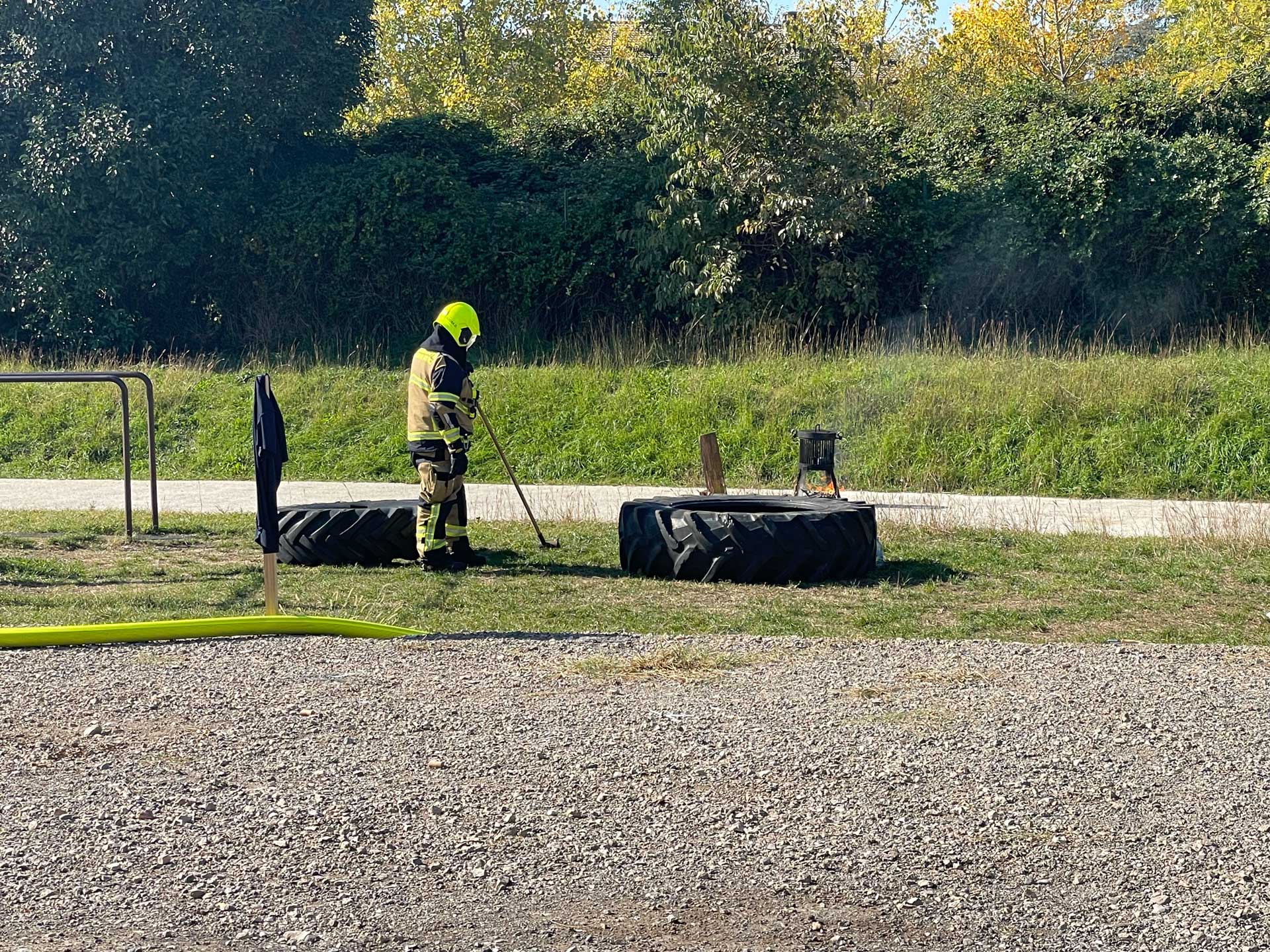
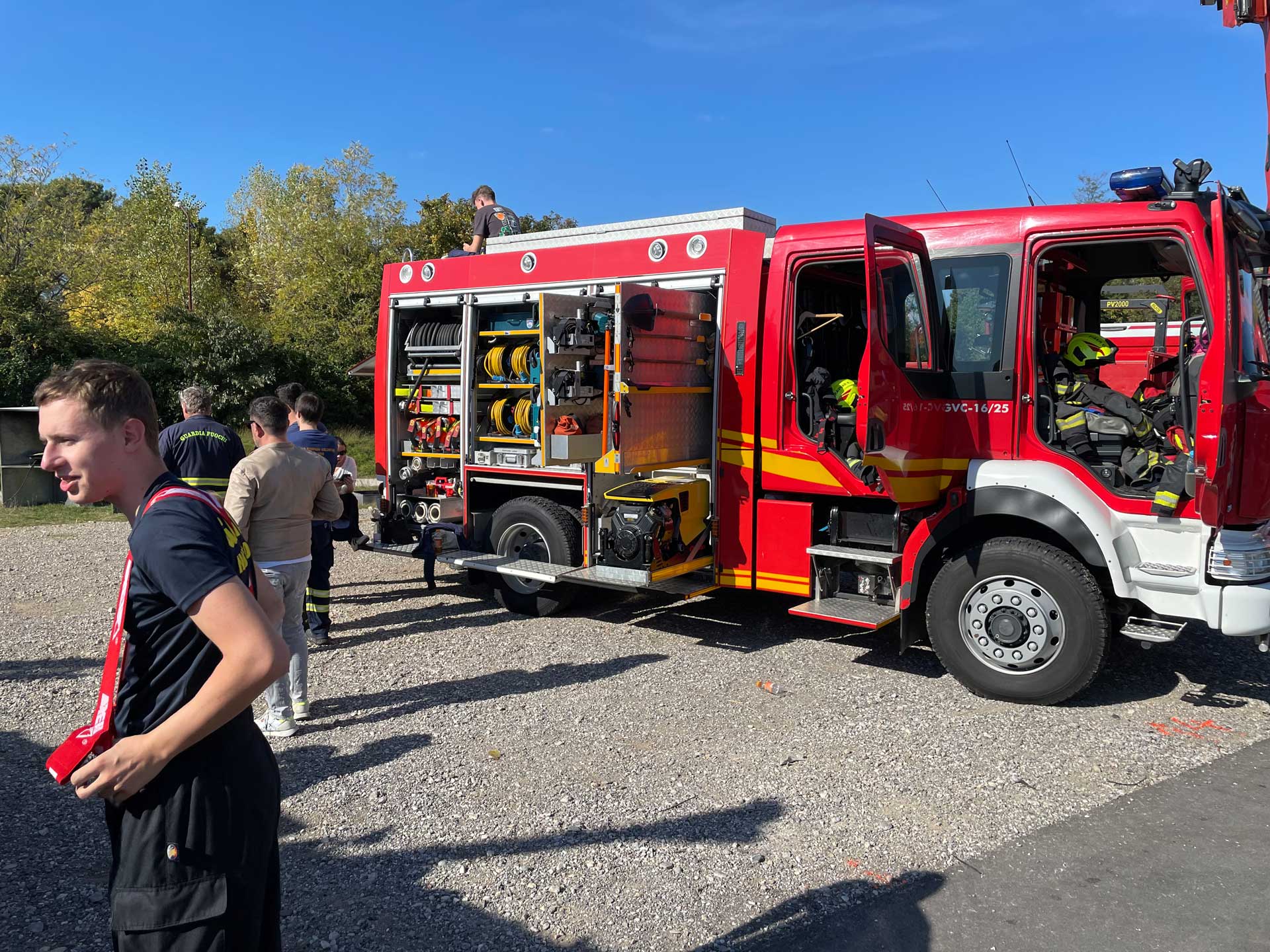
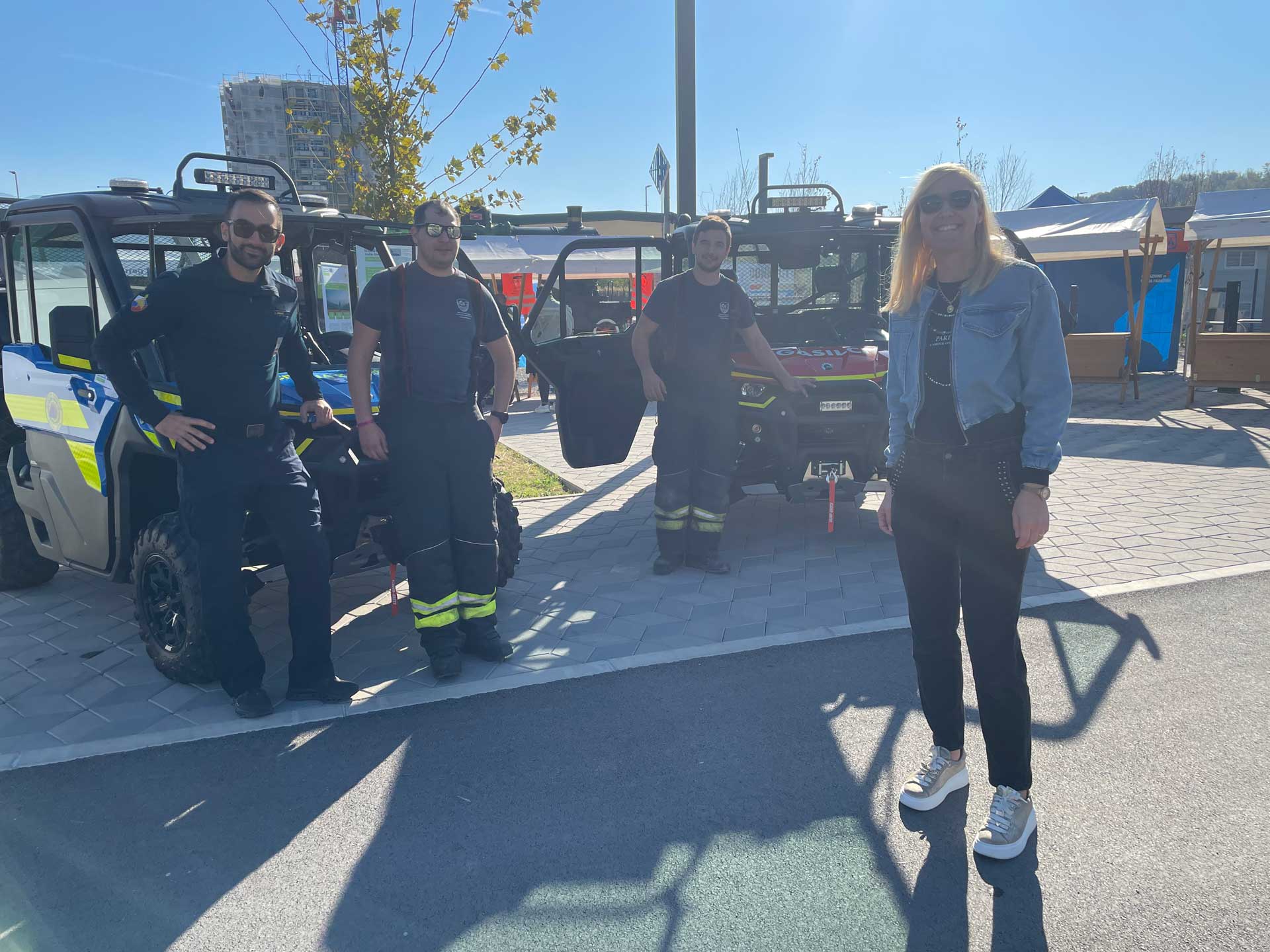
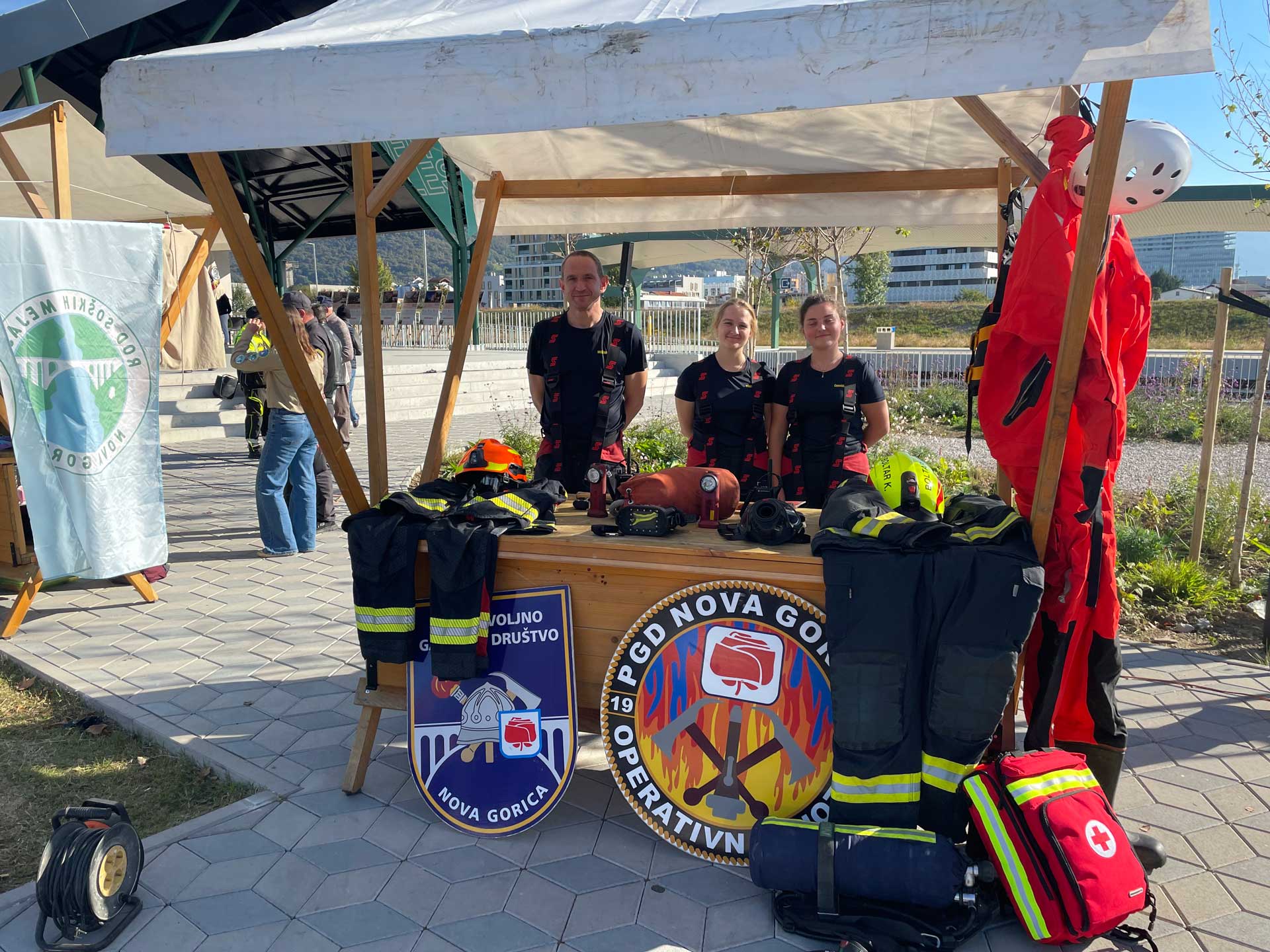
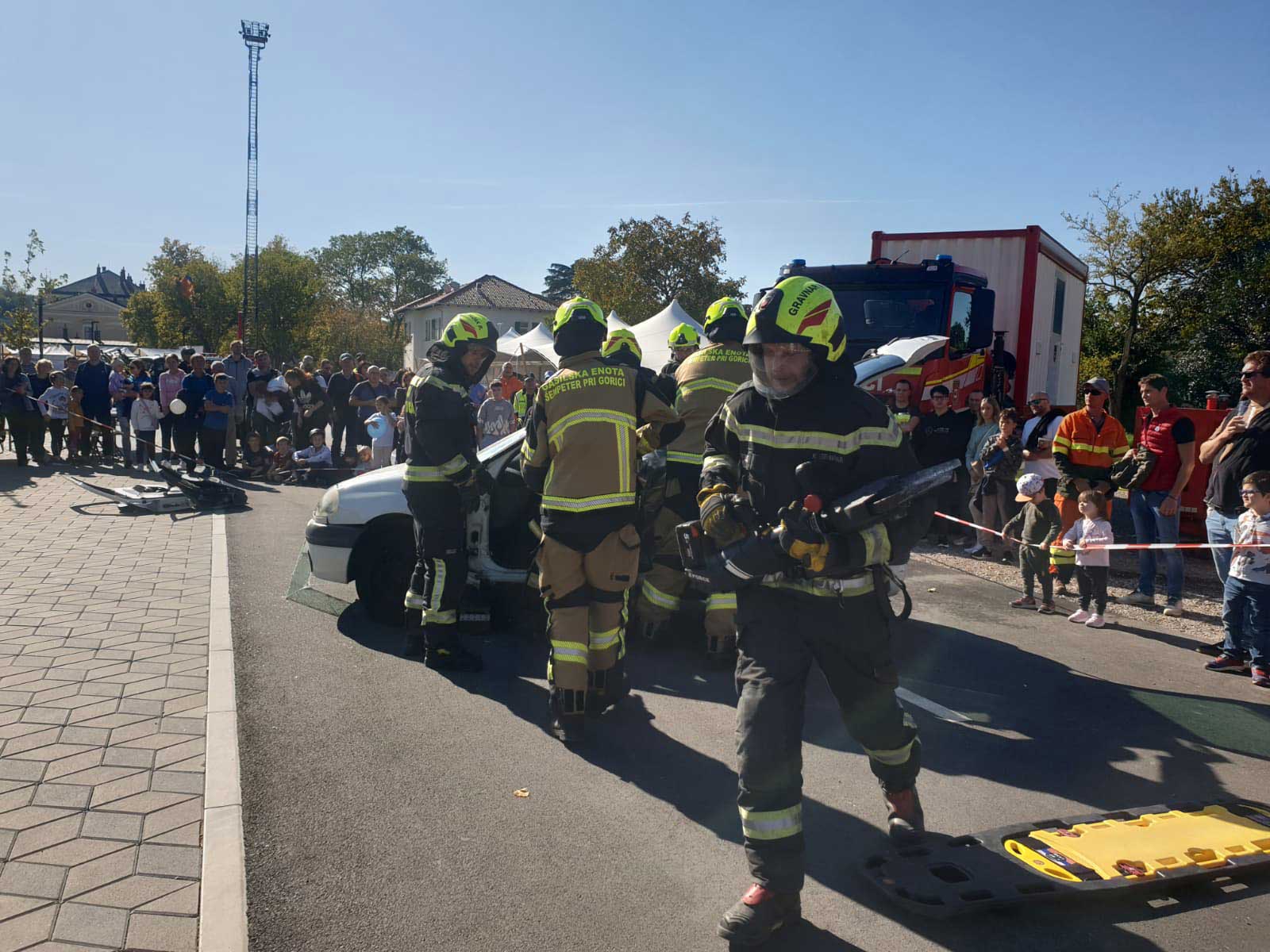
The visitors were able to explore the vehicles and equipment of the Fire Department, Civil Protection and Forestry Corps, watch spectacular simulations, including controlled explosions, rescue operations and firefighting tests, and participate in themed games with promotional items designed to raise awareness of safety issues among adults and children.
Meetings and in-depth discussions with experts were held inside the EPICenter, covering topics such as forest fire prevention, the use of satellite imagery, GIS systems, and experiences gained within the GOin4SAFETY project.
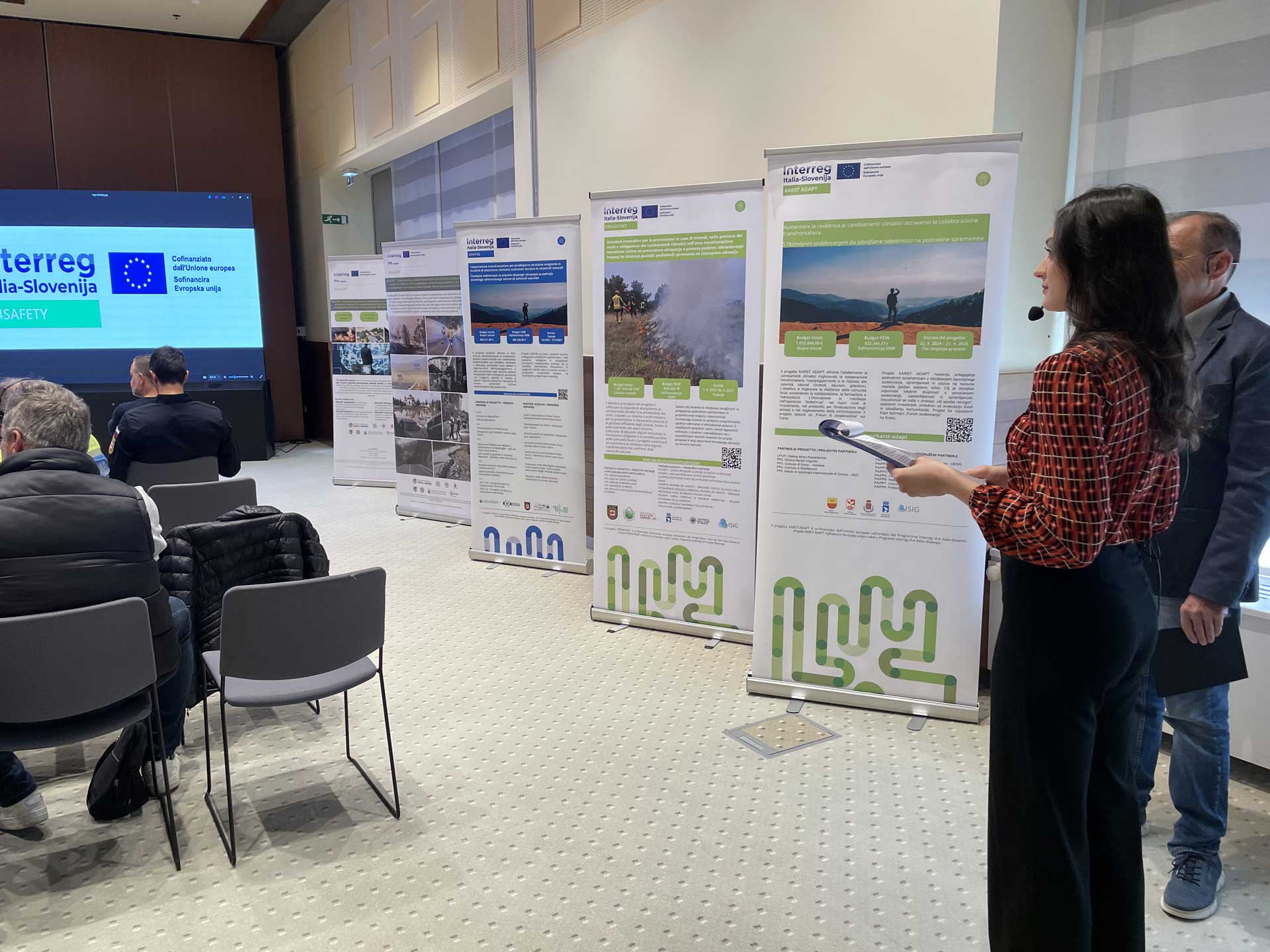
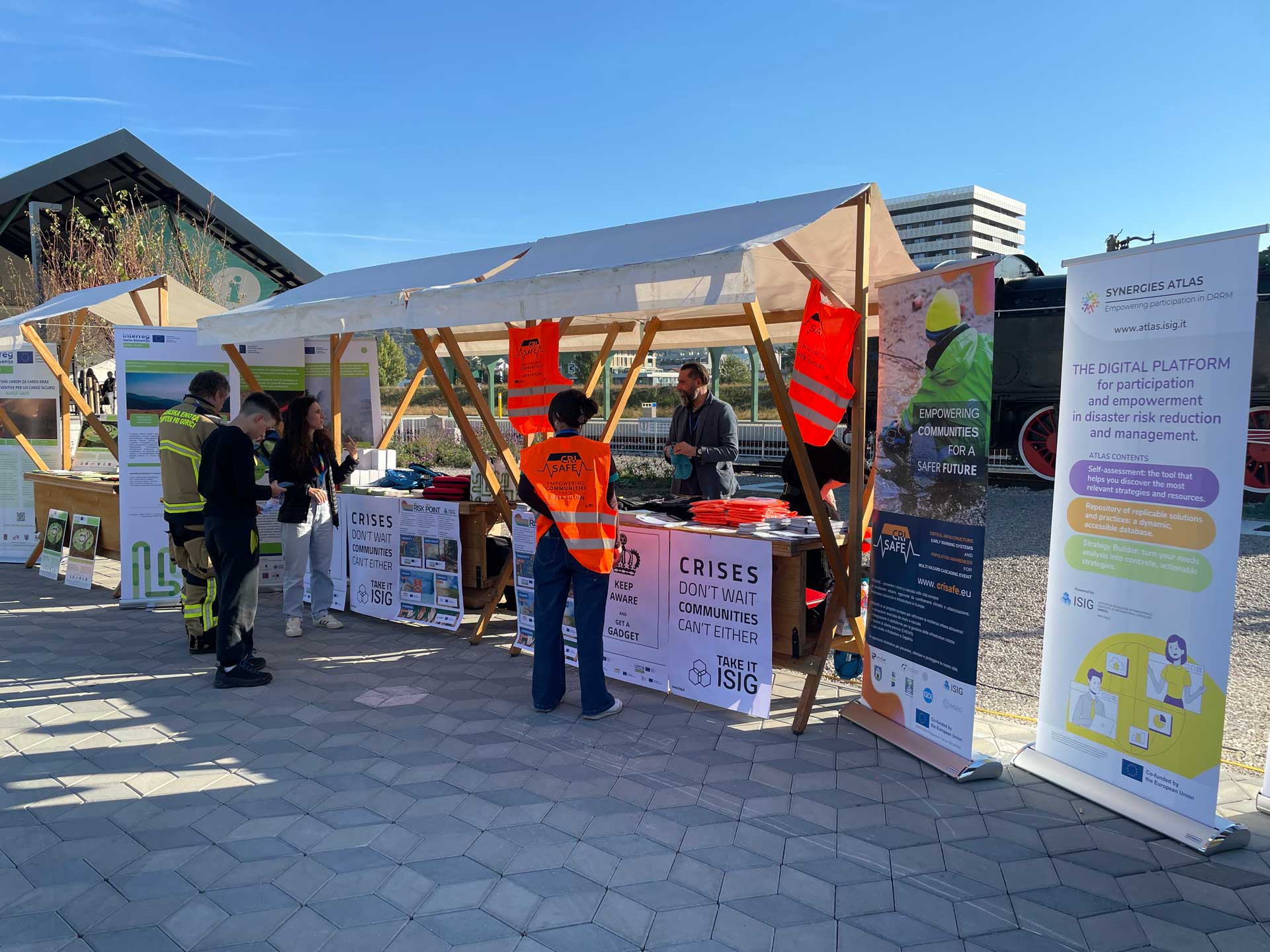
In the demonstration corners, visitors were able to learn about other European projects, in which ISIG is a partner, all focus on cooperation and territorial resilience. These include CONNECT, dedicated to climate adaptation; CRISAFE, focused on early warning systems and multi-hazard cascade events; KARST ADAPT, working to improve Karst resilience to climate change; and SYNERGIES, a digital platform for participation and preparedness.
The atmosphere of the day was lively and participatory, with moments of discovery, education, and collaboration involving everyone present. Alessandro Gallo, coordinator of the Gorizia Civil Protection Volunteer Group, emphasised how the event underscored an important message for rescue corps and citizens, reminding them of the importance of cooperation during emergencies.
Tadej Devetak, president of the Nova Gorica-Šempeter Volunteer Firefighters Association, also highlighted the value of knowledge as a tool for responding to critical moments with greater speed and precision.
Among the participants was Francesco Del Sordi, alderman of the Municipality of Gorizia with responsibility for Civil Protection, who described the initiative as a valuable opportunity to strengthen cross-border cooperation, which is increasingly necessary after the recent fires in the Karst region.
ISIG Director Daniele Lo Bianco recalled how the Institute has long been fostering cooperation between territories and institutions, aiming to expand knowledge and make exchanges between communities more effective. He stressed that only through dialogue and collaboration, he stressed, is it possible to build a common and coordinated response to emergencies.
Project partner Borut Mihelj also emphasised the importance of involving people of all ages, explaining that responsibility and a culture of prevention are built over time, starting with the youngest.
The closing event of IN4SAFETY was a meaningful occasion for both Italian and Slovenian citizens, authorities and first responders. It demonstrated how cooperation, knowledge and participation are key elements in building safer, more aware and resilient communities.
We thank all partners and stakeholders involved:
Municipality of Gorica | Mestna Občina Nova Gorica | Občina Ajdovščina | Geodetski Inštitut Slovenije | Gasilska Enota Nova Gorica | Metropolitan City of Venice | Friuli Venezia Giulia Region | University of Trieste | Gasilska zveza Slovenije | Zdravstveni dom Ajdovščina | Civil Defense of the Municipality of Gorizia | Civil Defense of the Autonomous Region FVG | Municipality of Duino Aurisina| European Capital of Culture 2025 Nova Gorica – Gorizia | Gect GO Ezts GO
Read the news about theGOin4SAFETY exercise.