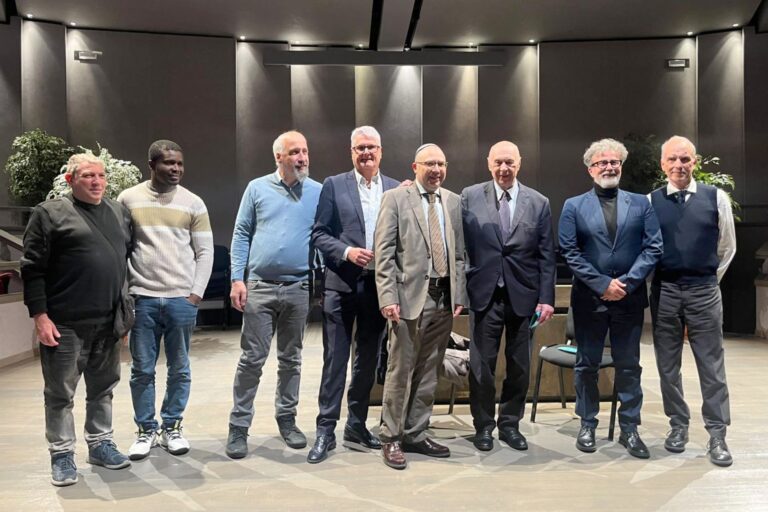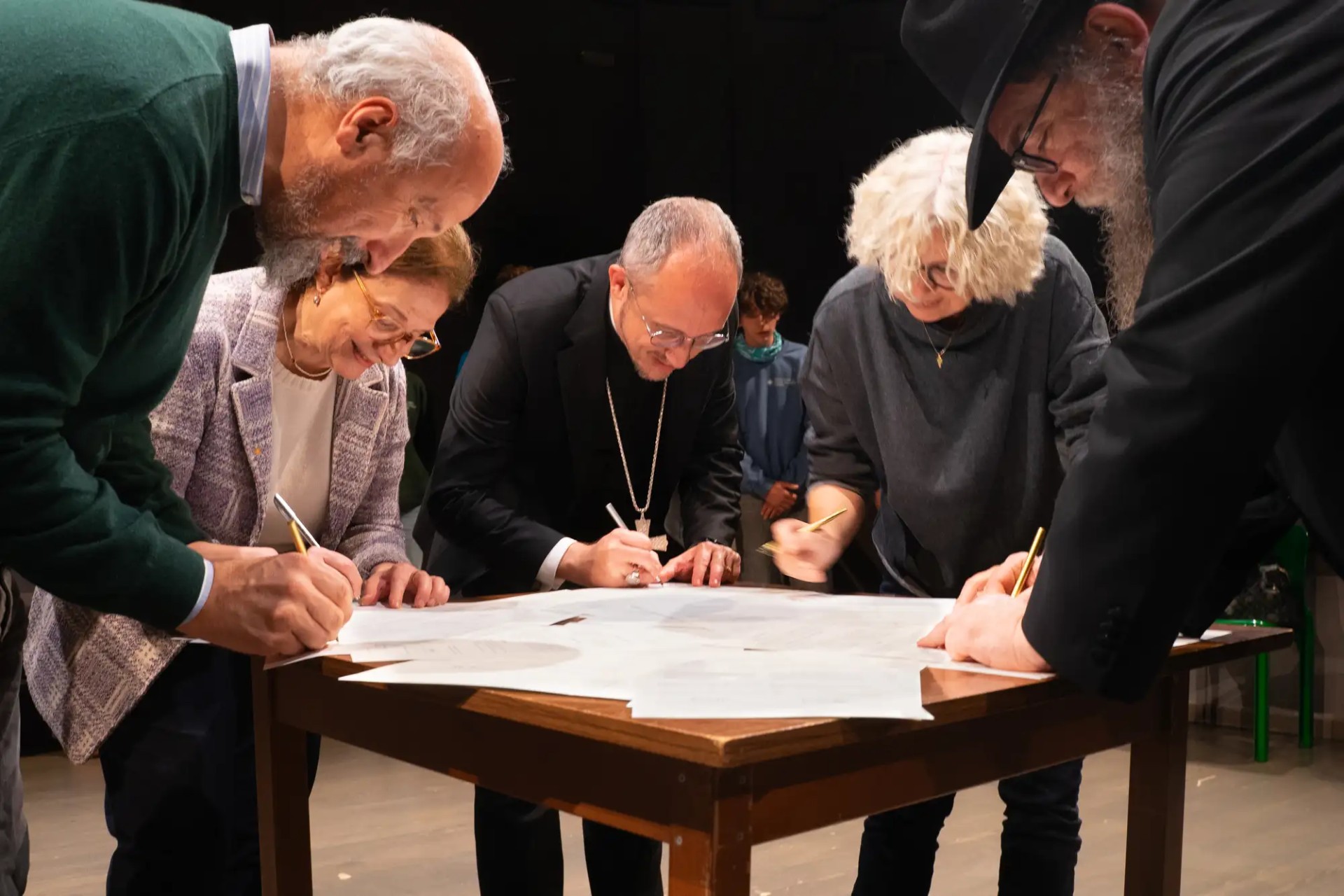
From Oct. 29 to Nov. 2, 2025, Gorizia hosted the festival “Lands of Peace – Beyond Borders, the Future,” sponsored by the City of Gorizia and implemented in collaboration with the Christian-Catholic, Muslim, Jewish, Buddhist and Methodist communities. ISIG contributed to the planning and content coordination, supporting program development and activities with religious and institutional partners.
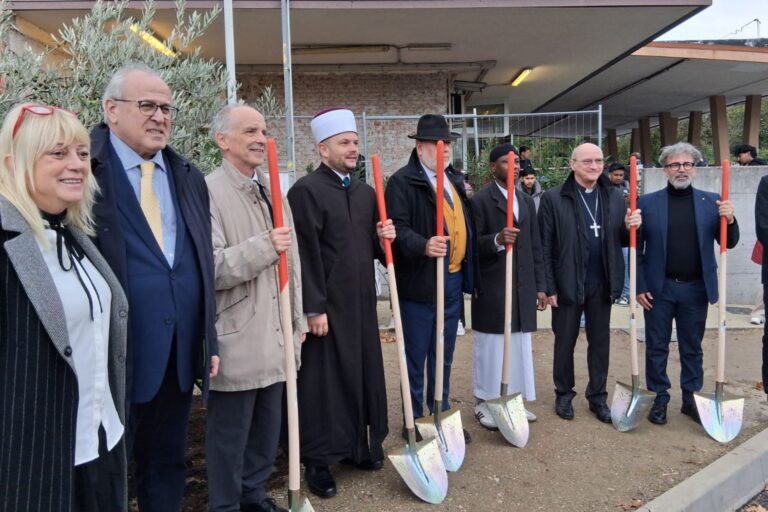
The event opened at the Piazzale Casa Rossa with the planting of theolive tree of peace, in the presence of representatives of the five faiths, and with the involvement of students from local schools. Following this, Paolo Mieli ‘s lectio introduced the theme of relations between religions and conflicts, launching a structured discussion process throughout the week.
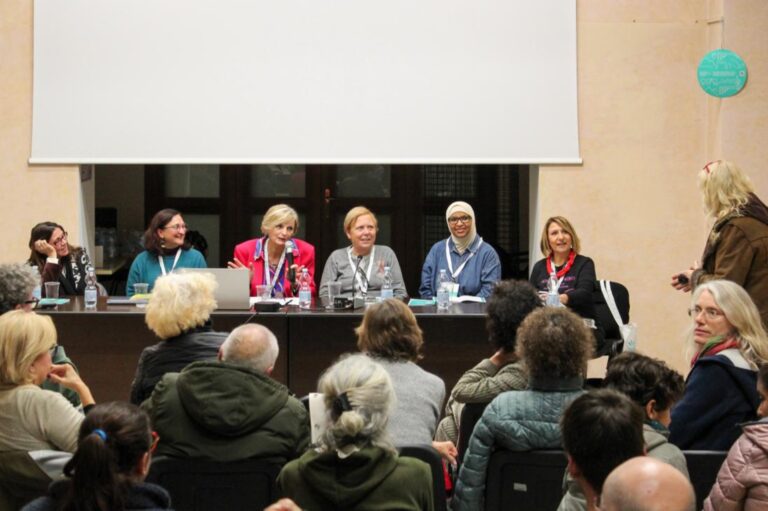
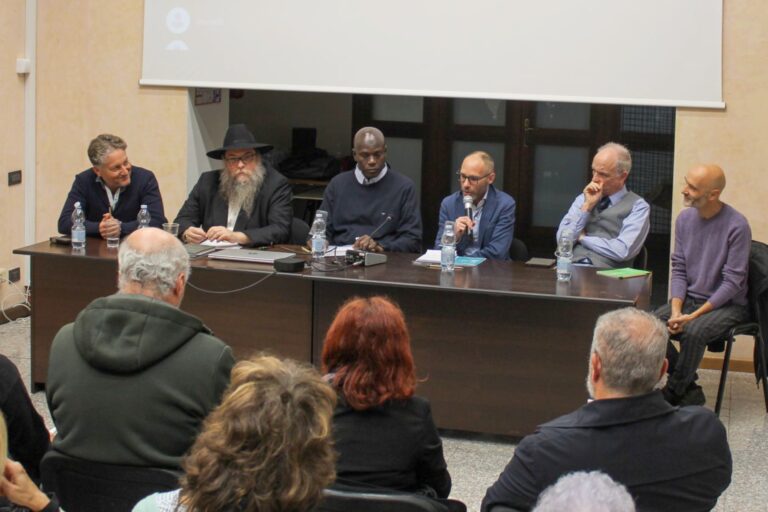
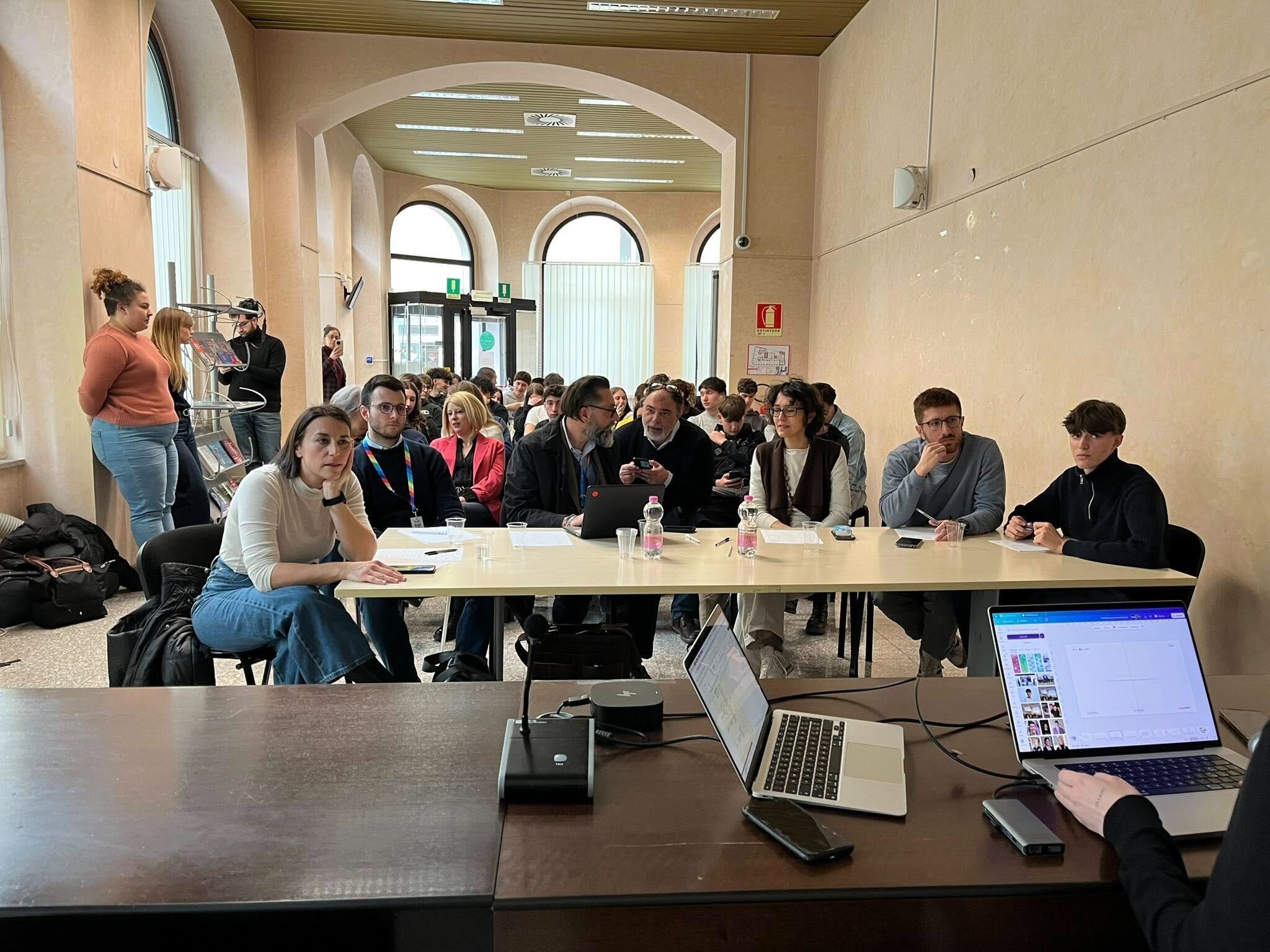
The program alternated panel discussions devoted to topics central to contemporary dialogue: ecology and sustainable lifestyles, gender equality, resource use and migration, relations between Christianity and Islam, and cooperation between faiths in a global perspective. The meetings brought together scholars, religious representatives and practitioners from the area, helping to outline a shared picture of challenges and opportunities.
Alongside the discussion spaces, the festival hosted cultural and artistic events that allowed for the exploration of dialogue through different languages: the play “Love’s Kamikaze,” the concert “Borderless Singing” by the choir of the Korean Methodist Church in Rome, the Sema ceremony of the whirling dervishes, the play of “Nathan the Wise,” and the concert of Gen Rosso, which closed the program with a performance dedicated to the theme of fraternity. The exhibition “Legacy of Life – Climate is a Choice: Let’s Save the Future,” dedicated to the connections between environment, responsibility and common future, was also open for the duration of the festival.
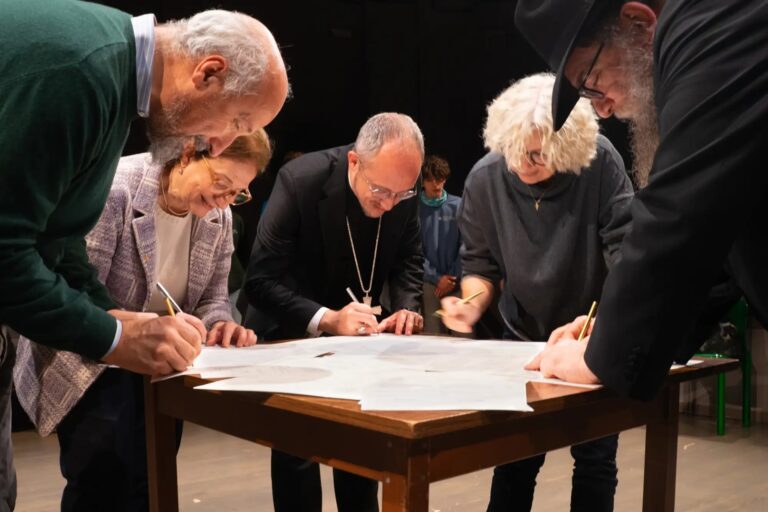
The concluding moment of the festival coincided with the presentation and signing of the Gorizia Manifesto for Dialogue and Peace, signed by representatives of the initiative’s five partner religious communities. The Manifesto defines a shared commitment to practices of stable dialogue, interfaith collaboration and promotion of joint actions on sustainability, inclusion and social cohesion.
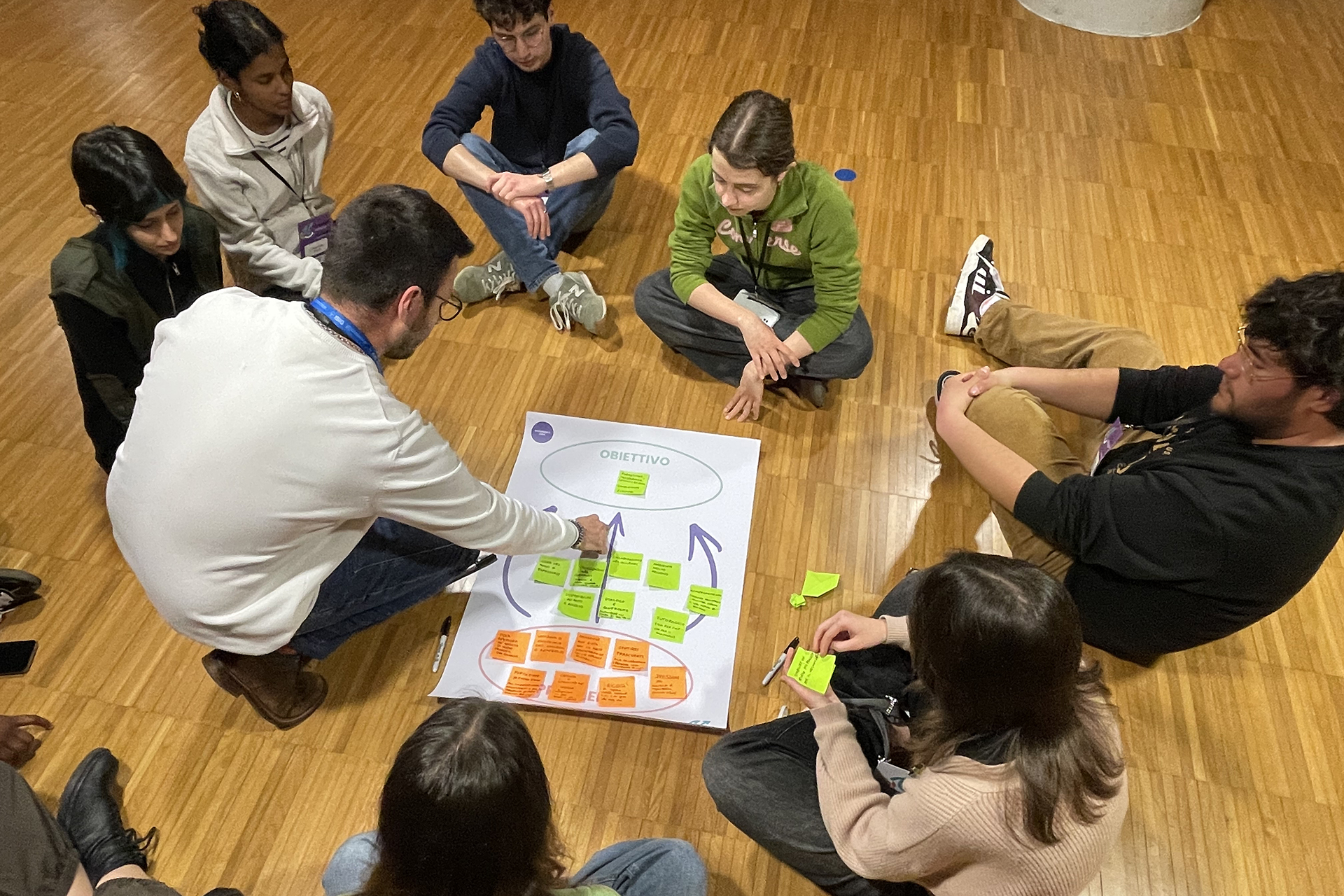
ISIG’s contribution to the festival involved facilitating dialogue processes, curating content and coordinating with the religious communities and institutions involved, in continuity with the Institute’s mission oriented toward strengthening participation and cooperation among different actors in the area.
The program and all information is available at the Festival page.