As part of the project KARST ADAPT, co-funded by the European Union through the Interreg VI-A Italy-Slovenia program, two thematic workshops and a dissemination event were promoted to explore climate change adaptation strategies in the Karst region. These moments of confrontation represented an opportunity to strengthen the dialogue between public bodies, technical and social realities of the territory, facilitating a shared vision in the management of environmental risks.
Workshop: participation for Karst resilience
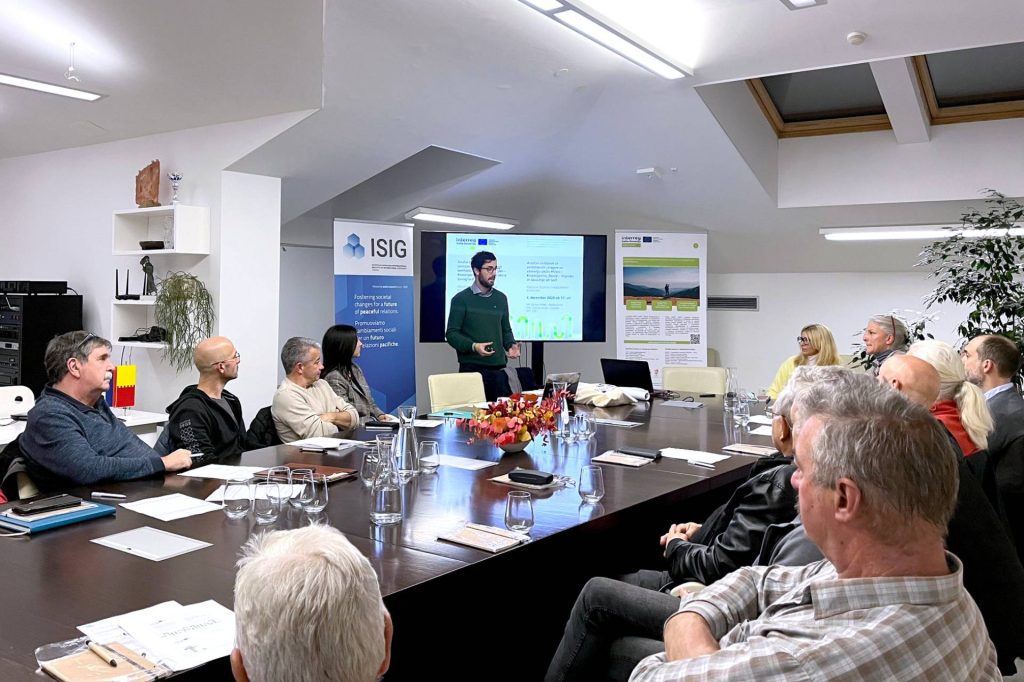
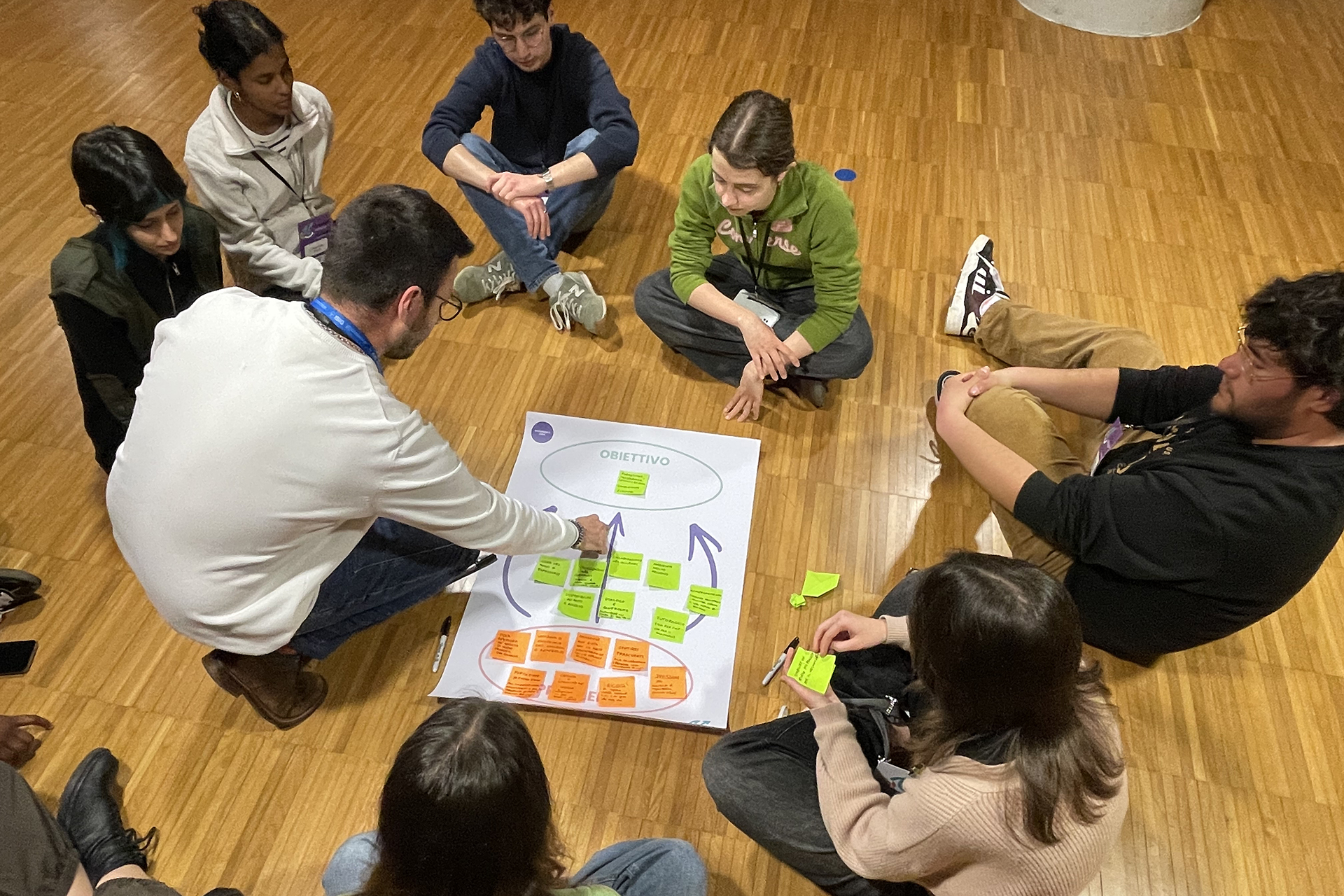
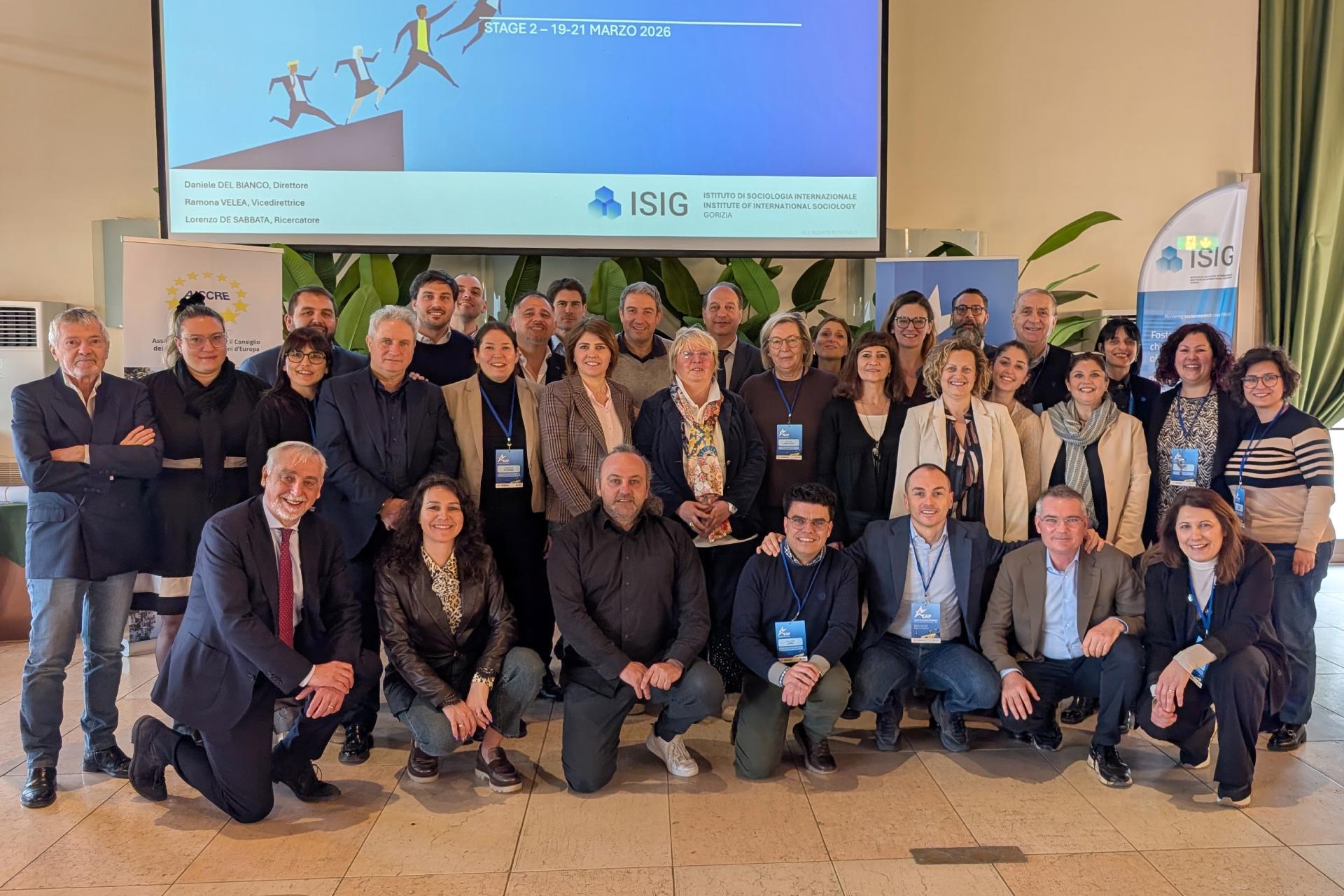
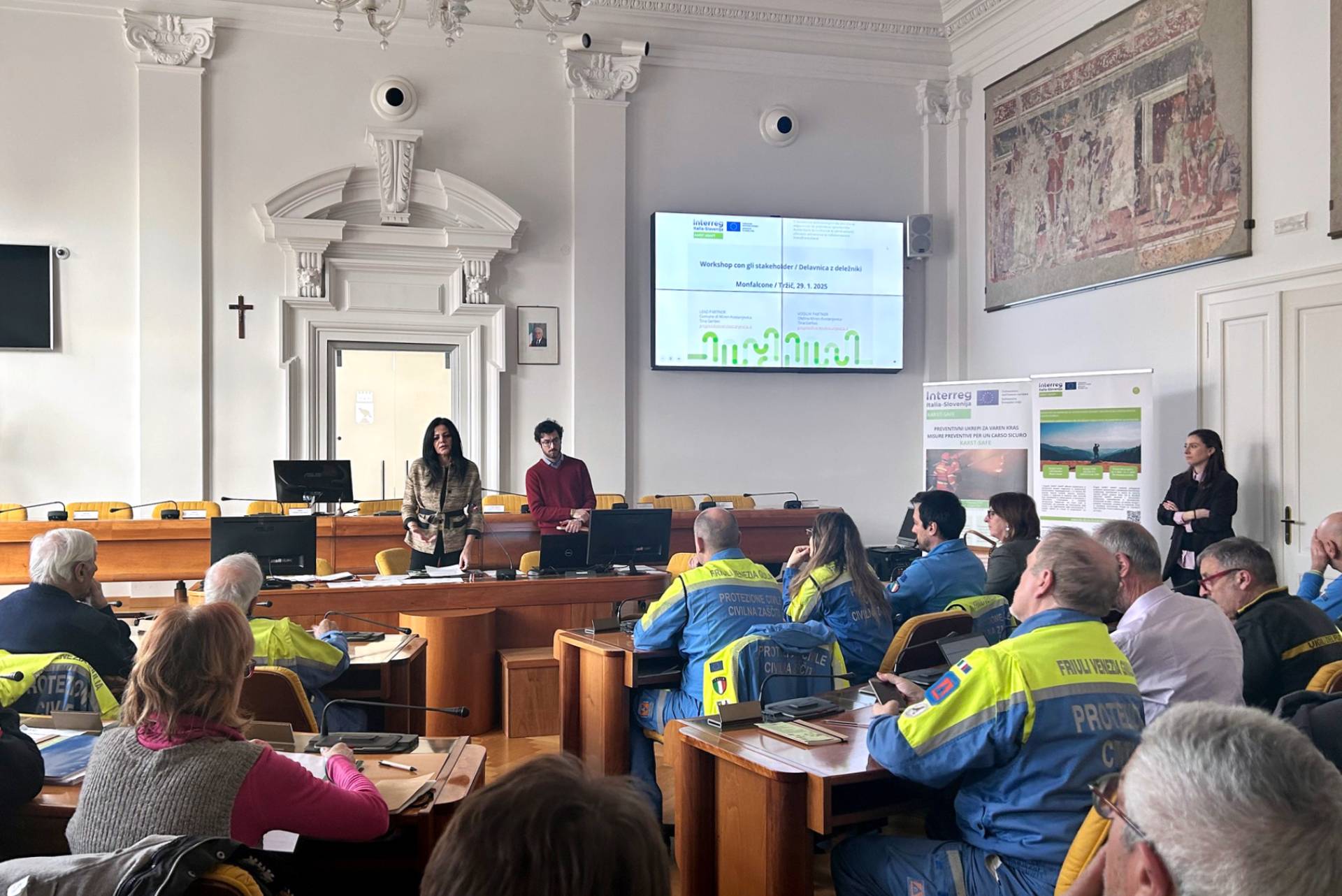
The workshops were held on December 4, 2024 at the Municipality of Miren-Kostanjevica and on January 29, 2025 in Monfalcone, involving representatives of the municipalities of Miren-Kostanjevica, Renče-Vogrsko, Monfalcone, Savogna d’Isonzo, Duino-Aurisina, and Doberdò del Lago, as well as civil protection organizations and other stakeholders active in the project partner municipalities. The Institute of International Sociology in Gorizia (ISIG) facilitated the focus groups, which consisted of five phases: introduction, context analysis, review of existing measures, formulation of new proposals, and final collective restitution. The analysis of the context revealed an analysis of the elements that characterize the area, such as cooperation between agencies and volunteers, knowledge of the territory and landscape, and the use of digital tools for monitoring. At the same time, critical issues were highlighted, such as the difficulty in finding economic resources, the slowdown due to administrative processes, and the reduced presence of new generations in volunteer paths. Possibilities identified included strengthening cross-border collaboration, accessing European funding programs and introducing innovative sustainability-oriented technological solutions. The analysis of already active measures allowed for a reconnaissance of existing actions, such as the care of the trail network, educational activities, drills, information and training initiatives in schools, and the use of advanced technologies for prevention. At the systemic level, the importance of coordinated planning, mapping of risk areas and interinstitutional cooperation was emphasized. Proposals that emerged in the concluding phase ranged from practical interventions – such as improving land management and the use of innovative technologies and tools – to more structural initiatives, including administrative simplification, environmental education, and the enhancement of local expertise. The discussion reiterated the centrality of multidisciplinarity, prevention, and collaboration among different actors active at multiple levels.Synergies with the KARST SAFE Project
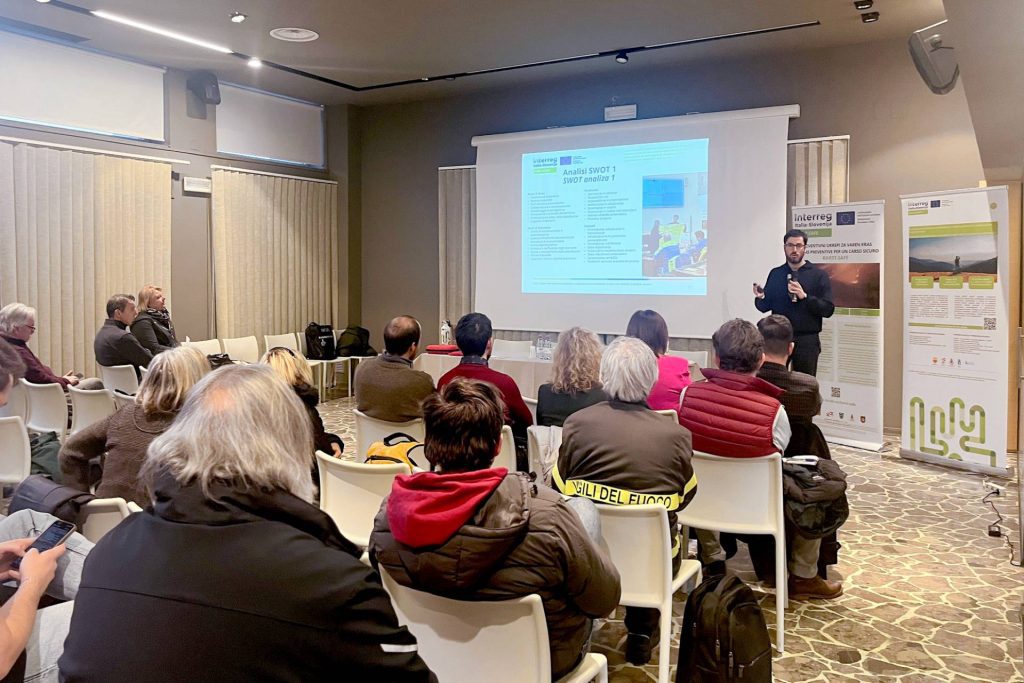
The workshops were held in connection with the project KARST SAFE, also funded by the Interreg Italy-Slovenia program, which focuses on forest fire prevention in the Karst region. During the workshop in Monfalcone, the fire action plan developed by KARST SAFE was presented and, thanks to a facilitated interaction through the Mentimeter platform, useful insights on intervention priorities, territorial vulnerabilities and possible future pilot projects were collected, with a specific focus on the area of the Municipality of Duino-Aurisina.Dissemination event: knowledge and cooperation for a safer future
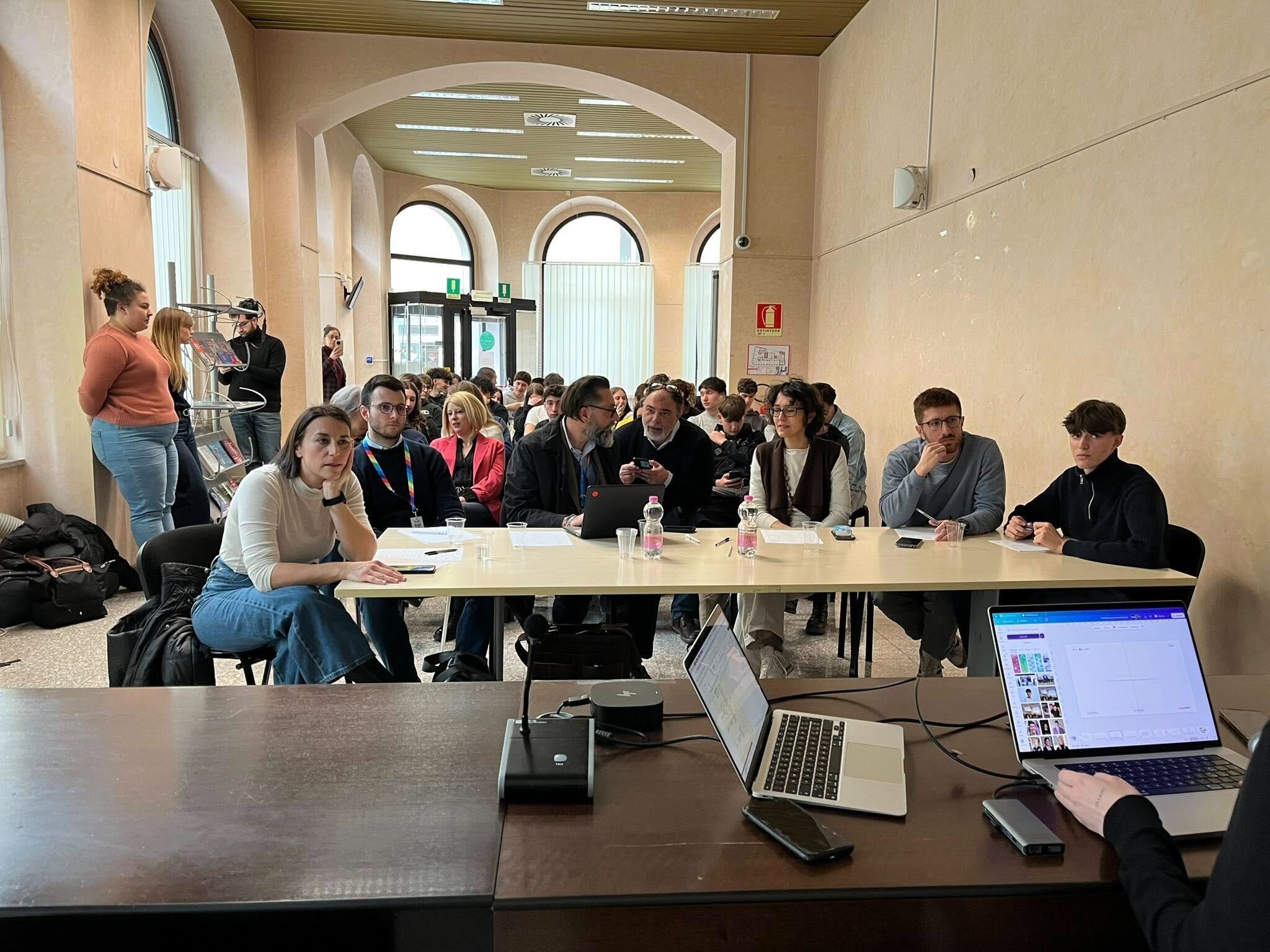
On February 21, 2025, at theInfopoint of Sistiana, took place the public event dedicated to the presentation of the database on mitigation measures for fire, flood and hail hazards developed as part of KARST ADAPT project activities. Institutional representatives, civil defense representatives, operational organizations and active components of the citizenry took part in the meeting. Also on this occasion, the dialogue with the KARST SAFE project helped to enrich the discussion on building resilience in the Karst, emphasizing the value of continued collaboration between neighboring territories.Toward new actions for land protection
The experience of the workshops and event highlighted how the structured participation of those who live, work and operate in the territory represents a central resource for effectively addressing the challenges related to climate change. Indeed, the project aims to promote shared, innovative and integrated ways of managing the territory, with the goal of building increasingly resilient, informed and cohesive communities. For further information: www.ita-slo.eu/karst-adapt