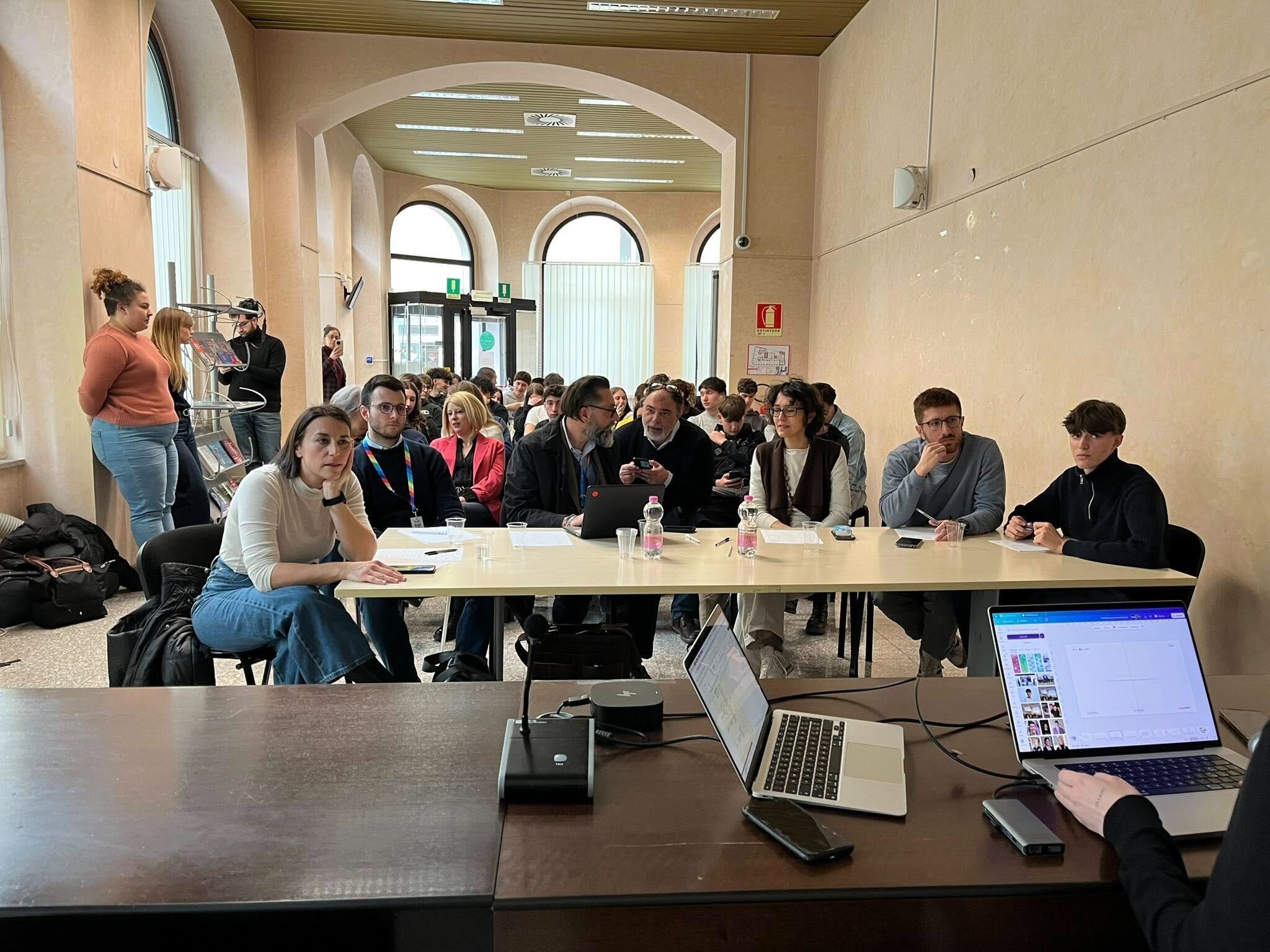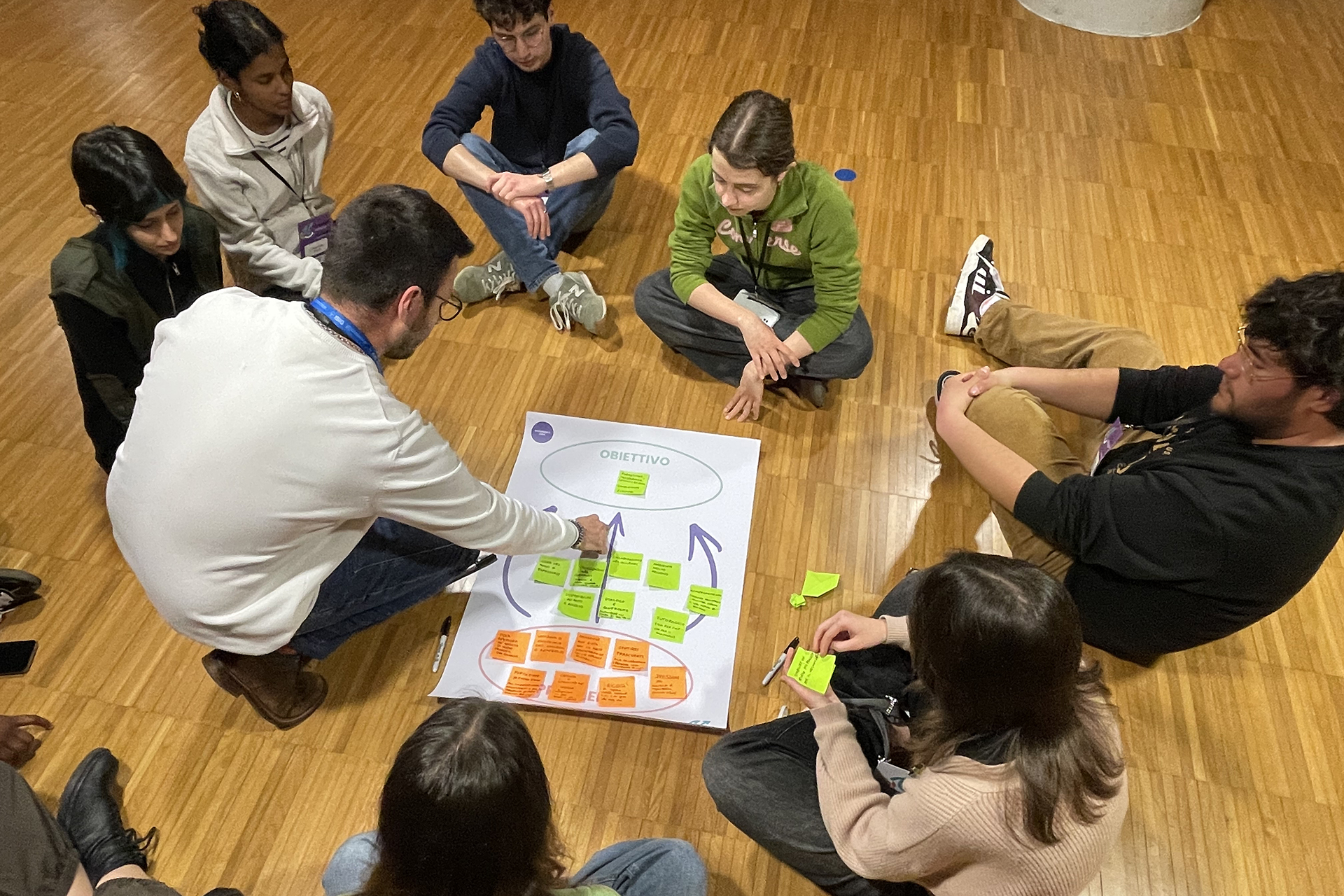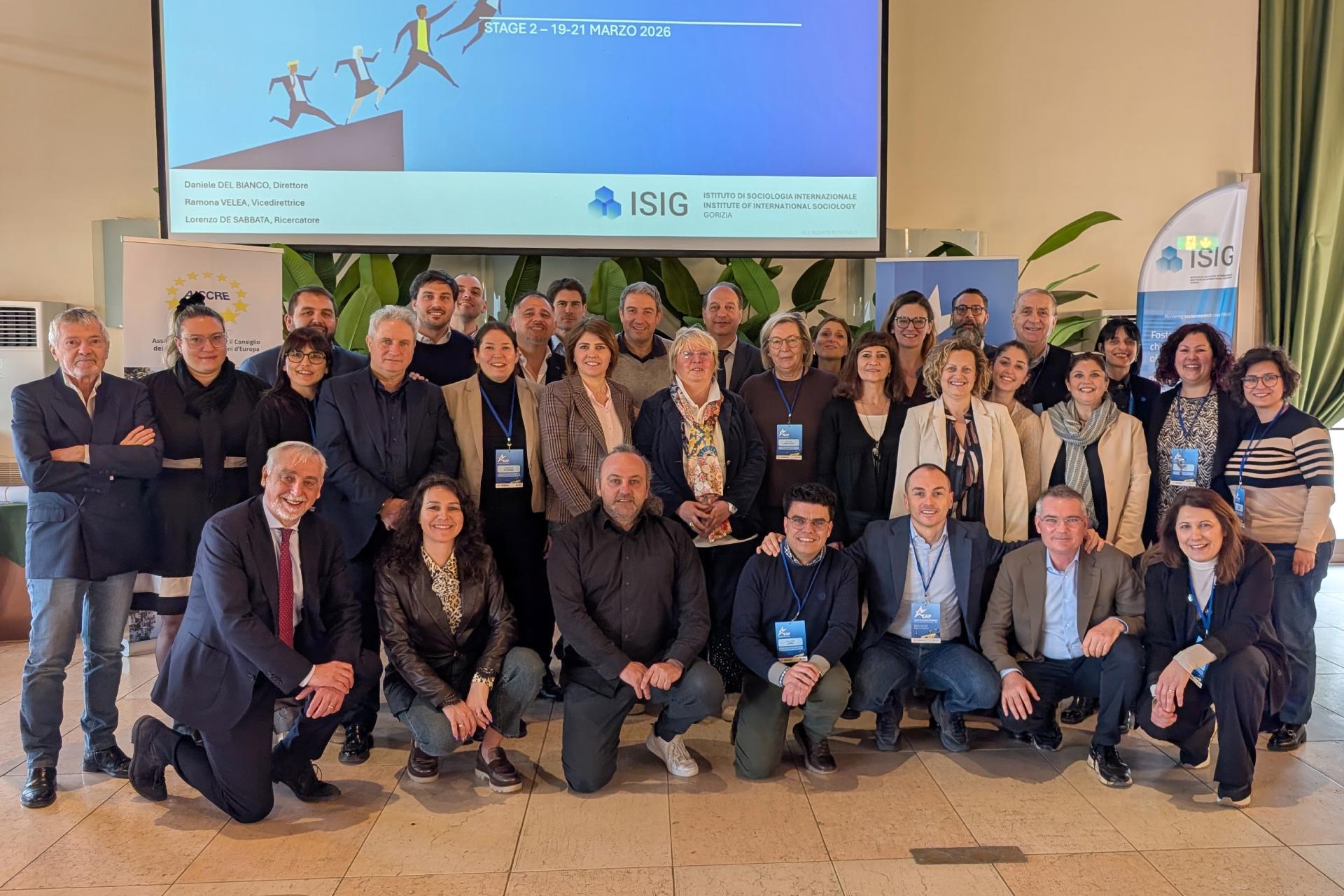
Within this path, ISIG played a central role, coordinating Work Package 2 (WP2), dedicated to the implementation of six pilot actions. These initiatives were designed with the aim of strengthening local development governance systems, particularly promoting cooperation between different territorial actors. The work carried out made it possible to test innovative approaches and foster dialogue between institutions, local communities and stakeholders, helping to build more inclusive and sustainable development models.
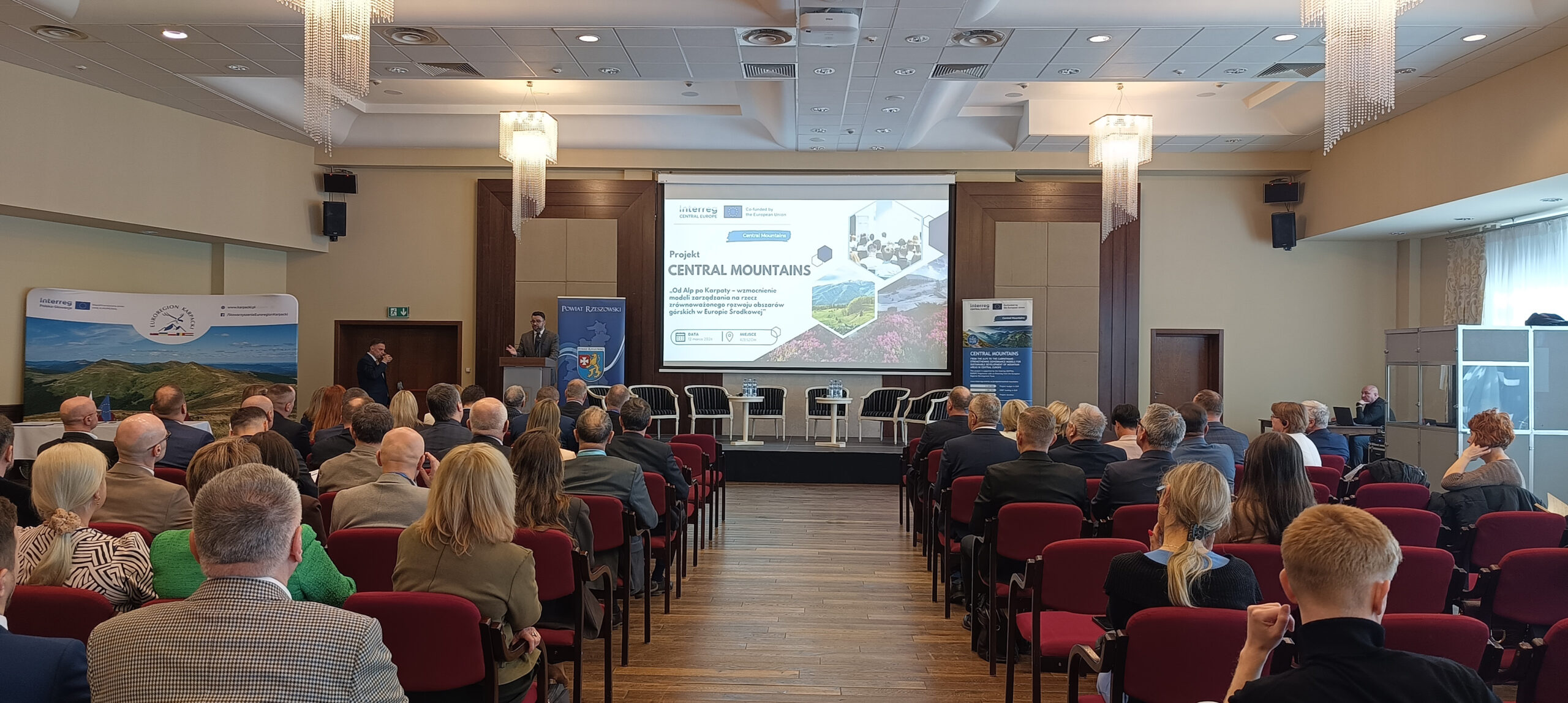
During the final conference, ISIG presented the main lessons learned during the implementation of the activities. Among the elements that emerged most clearly was the need to ensure continuity of the actions initiated, through constant monitoring even beyond the formal conclusion of the project. Only in this way will it be possible to effectively measure the real impact of the pilot actions on the local communities and territories involved, ensuring that the results achieved can be translated into concrete and lasting benefits.
Despite the official closure of the project, the path initiated by Central Mountains does not end with the Final Conference. On the contrary, it is now opening a new phase oriented towards the enhancement and consolidation of the relationships built over time. Together with the other project partners and numerous institutions in the Alpine and Carpathian area, ISIG is in fact engaged in signing the Transnational Agreement for the Central Mountains Network.
This agreement is a significant step toward creating a stable transnational network aimed at continuing and strengthening cooperation across national borders. The aim is to promote territorial integration, support local community development and foster the transfer of knowledge and experience between mountain territories that share common challenges and opportunities.
ISIG’s contribution to the Central Mountains project testifies to the importance of a collaborative, multilevel approach to addressing the challenges of sustainable development in mountain areas. It is a commitment that looks to the future, with the understanding that international cooperation is a key lever for building more resilient, inclusive and innovation-capable territories.