The CRISAFE project has officially ended, marking a significant milestone in strengthening risk communication practices and citizen engagement at the European level.
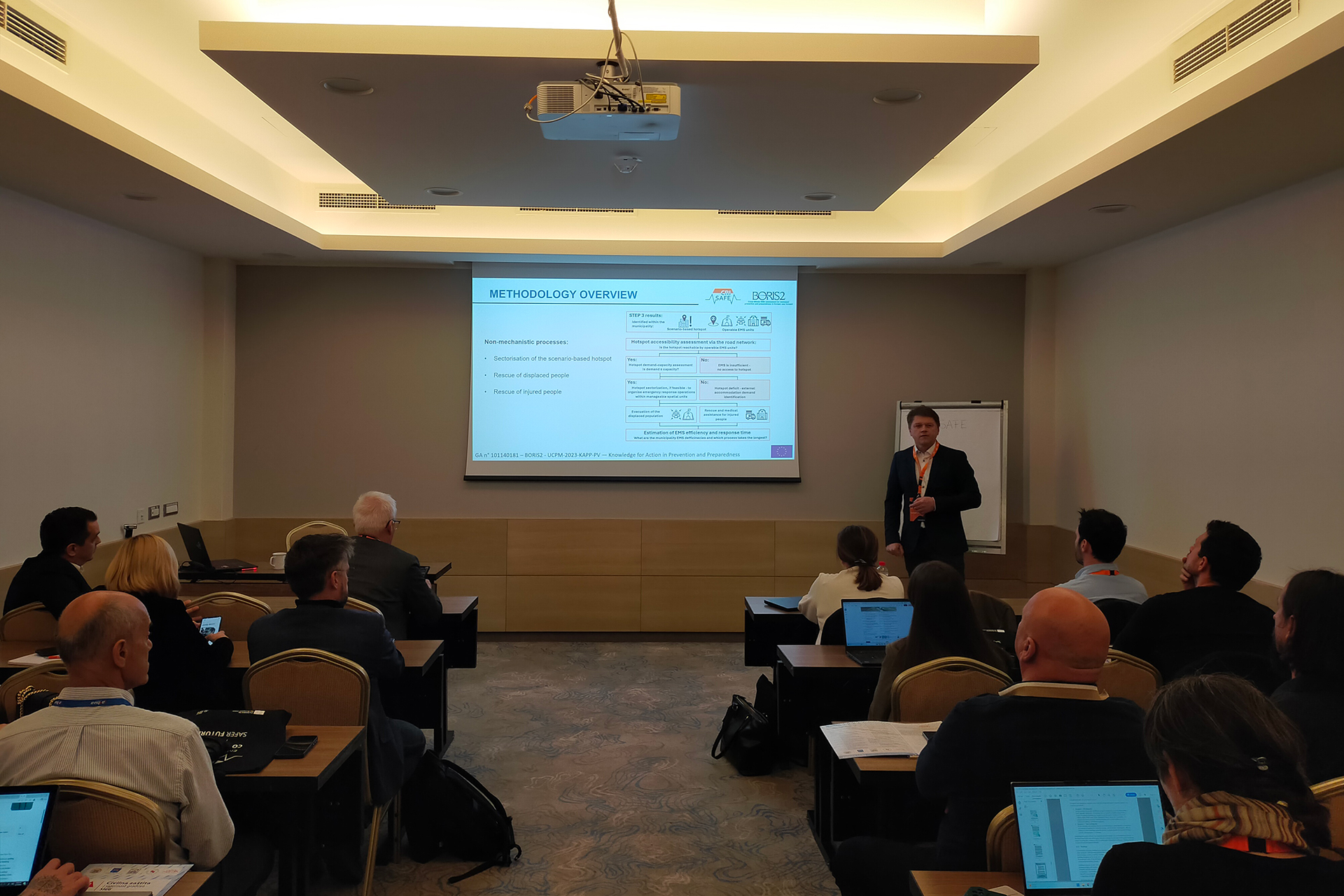
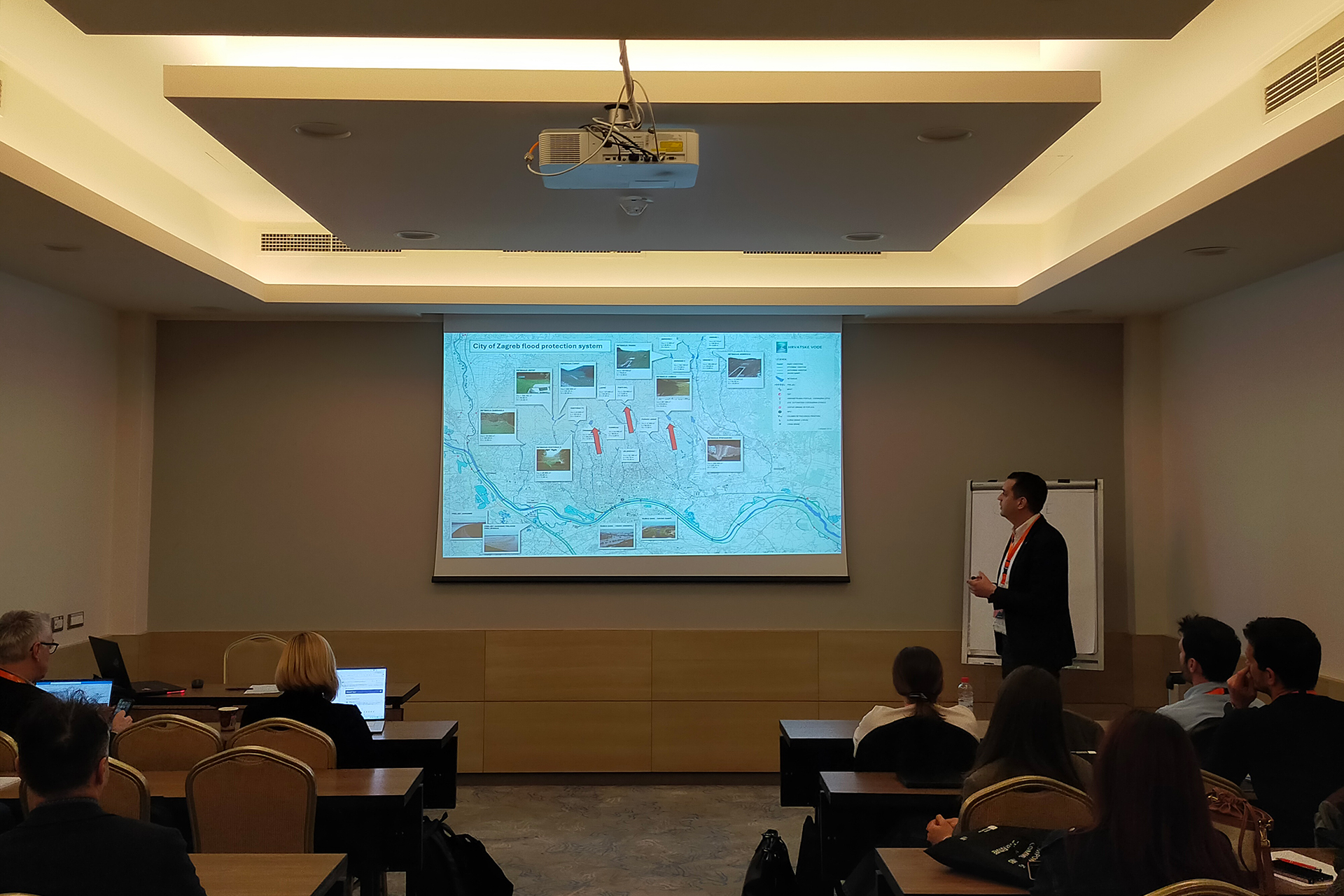
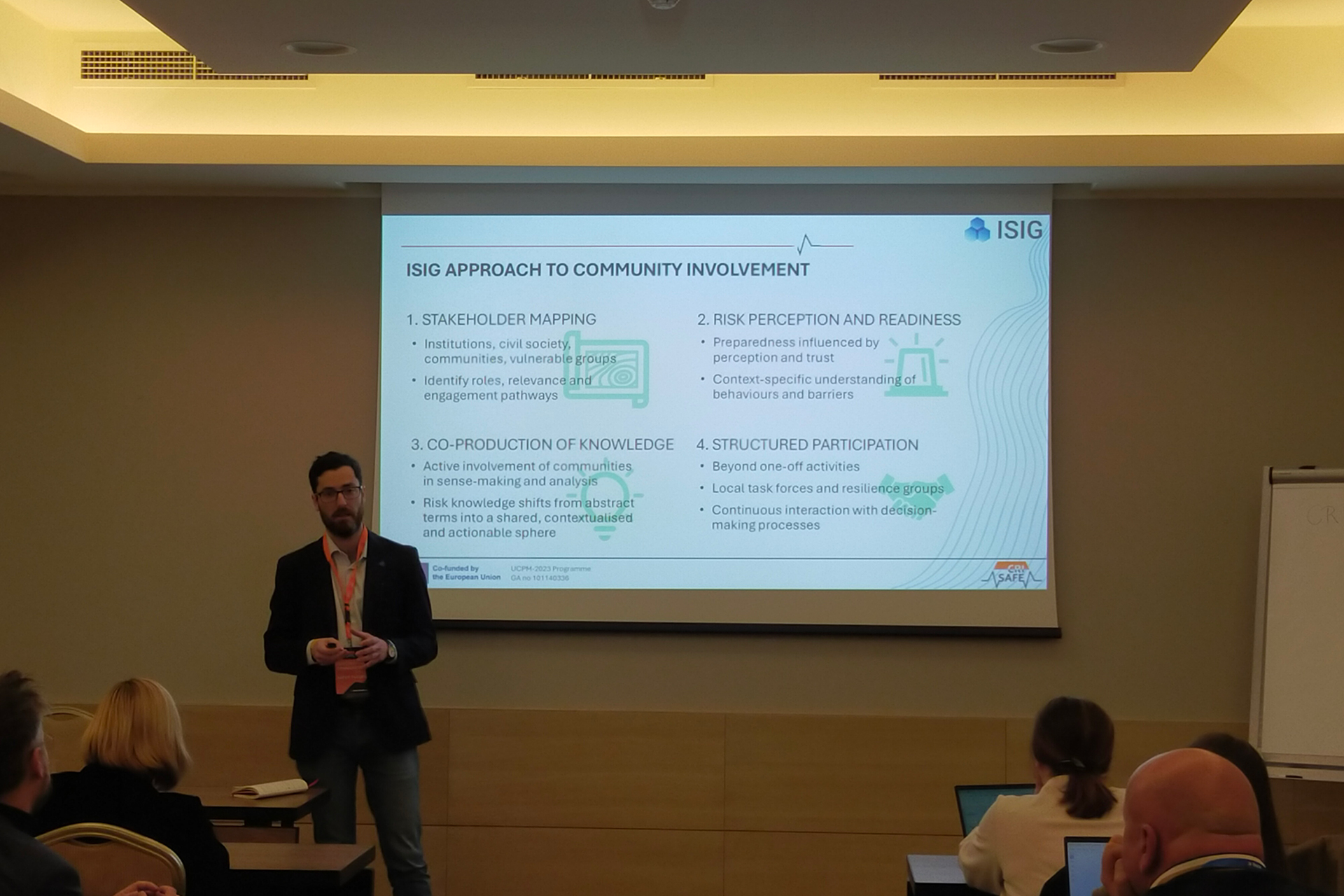
The final results were presented last week in Split as part of the Civil Protection and Urban Safety (SIGG) conference, giving stakeholders in the Croatian context an opportunity to learn more about tools and approaches developed during the project.
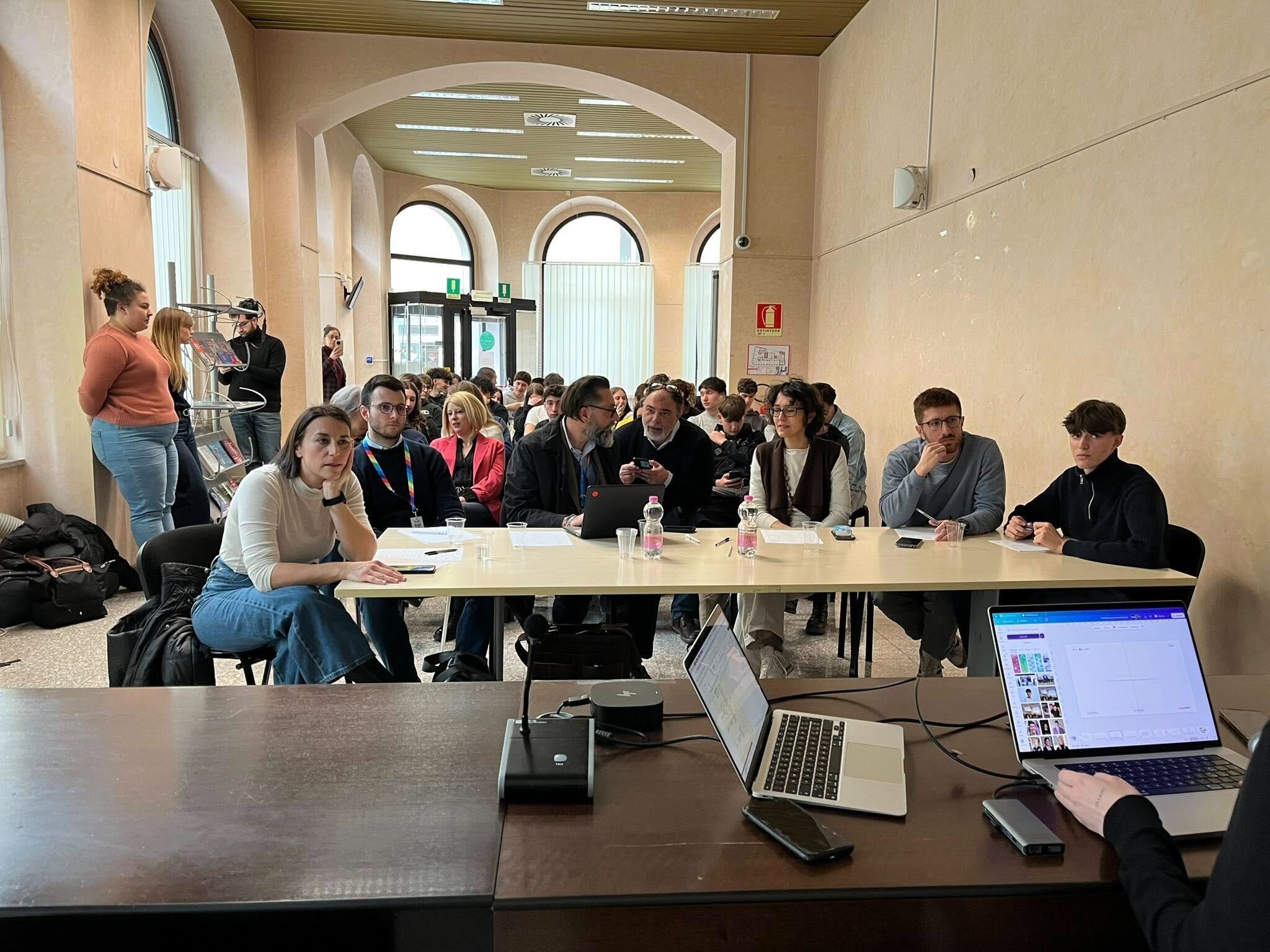
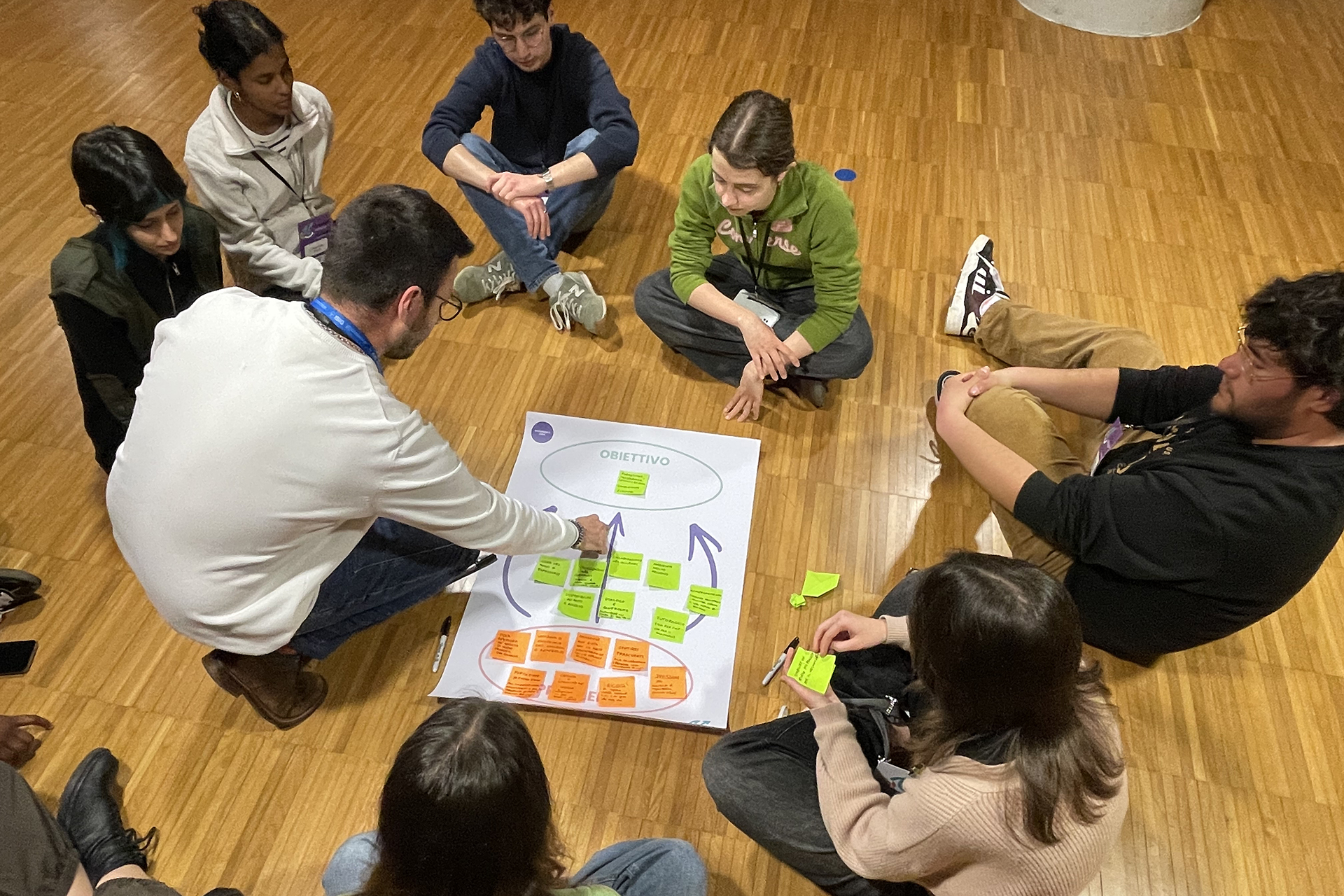
During the meeting, ISIG outlined its contribution on the topic of cascading risk communication, an increasingly relevant challenge in scenarios characterized by high complexity. Through participatory methodologies involving citizens and stakeholders, the team developed the Guidelines for Improving Public Access to Disaster Risk Information.
The document, which is designed to be flexible and adaptable to different territorial contexts, proposes operational directions broken down into seven key recommendations:
– Define goals and scope of intervention
– Understand the target audience
– Consider and adapt to the local context
– Design accessible and inclusive materials
– Use diverse dissemination channels
– Promote preparedness and concrete action
– Evaluate, learn and adapt over time
The conference also provided an important opportunity to discuss the link between citizen participation and the resilience of local civil protection systems, a topic on which ISIG has an established track record.
CRISAFE concludes by leaving behind not only operational tools, but also a clear vision: more informed communities, more inclusive communication, and more resilient territories.